
What Does White Smoke Out Of Exhaust Mean
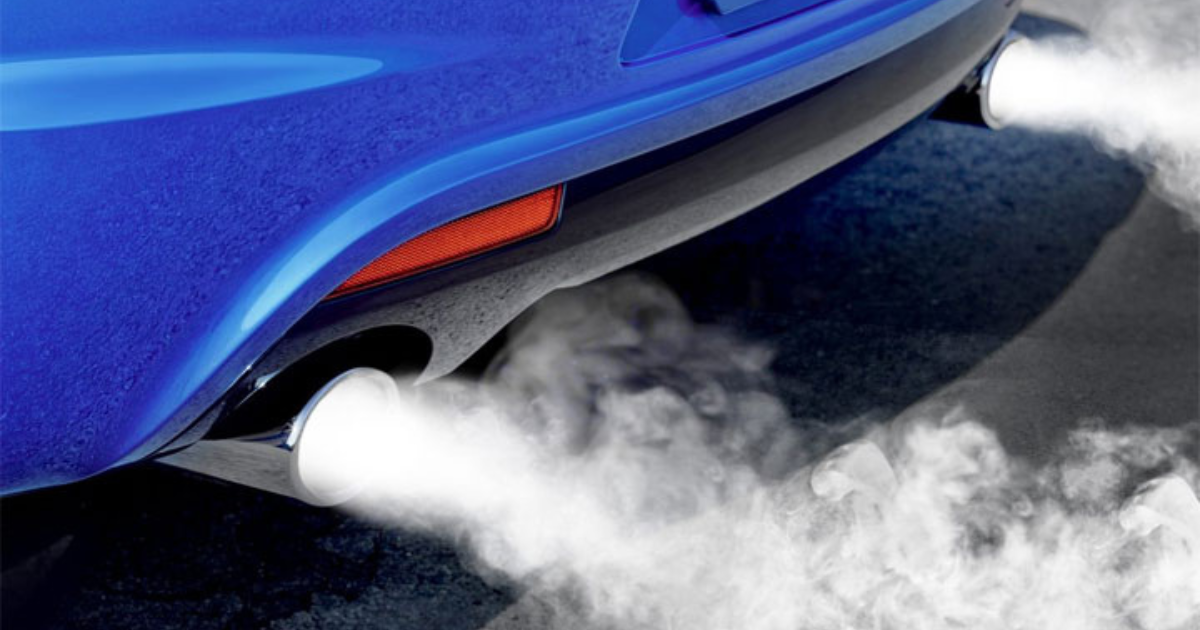
White smoke billowing from a vehicle's exhaust is a common concern for both drivers and automotive professionals. While a small puff of white smoke on a cold start might be normal condensation, persistent or excessive white smoke usually signals a more serious underlying issue. Understanding the causes, diagnosis, and potential solutions is crucial for accurate assessment and effective repair.
Understanding the Fundamentals: What is White Smoke?
At its core, white smoke is primarily unburnt fuel and/or water vapor exiting the exhaust system. The specific composition and density of the smoke provide clues to the root cause. Light, wispy white smoke that dissipates quickly often indicates water vapor. This is common during cold weather as the exhaust system heats up, condensing the water produced during combustion. However, thick, dense white smoke that lingers in the air is more concerning and suggests a more significant problem.
Common Causes and Technical Explanations
Several factors can contribute to white smoke, and they vary in complexity. Here's a breakdown of the most frequent culprits:
- Coolant Intrusion: This is perhaps the most serious cause. Coolant leaking into the combustion chamber burns along with the air-fuel mixture, producing white smoke. This is often the result of a cracked cylinder head, a blown head gasket, or a damaged engine block. The presence of sweet-smelling exhaust, coupled with coolant loss and potentially overheating, strongly suggests this issue. Diagnosing this often involves a coolant system pressure test and a cylinder leak-down test.
- Fuel Injector Issues: Malfunctioning or leaking fuel injectors can deliver excessive fuel to the cylinders. This over-fueling results in incomplete combustion, with unburnt fuel exiting as white smoke. This is more common in older vehicles with mechanically controlled injectors. Modern electronically controlled injectors are less prone but can still fail. Symptoms include poor fuel economy, rough idling, and a fuel smell in the exhaust. Using a scan tool to monitor fuel trim and injector pulse width can help identify this problem.
- Turbocharger or Supercharger Problems: If the vehicle is equipped with forced induction, a failing turbocharger or supercharger can introduce oil into the intake system. This oil burns in the combustion chamber, generating blueish-white smoke (often leaning towards blue due to the burning oil). The presence of oil in the intake piping and intercooler is a strong indicator. Performing a compressor wheel inspection for excessive play is crucial.
- Condensation: As mentioned earlier, condensation is a normal occurrence, especially in colder climates. The exhaust system cools down after the engine is switched off, allowing moisture to condense inside. Upon startup, this moisture is vaporized and expelled as white smoke. This is usually temporary and dissipates quickly. The absence of other symptoms and the rapid disappearance of the smoke differentiate this from more serious issues.
- EGR Valve Issues: A stuck-open EGR (Exhaust Gas Recirculation) valve can allow excessive exhaust gases into the intake manifold. While this usually manifests as poor performance or rough idle, in some cases, it can contribute to white smoke, especially if the exhaust gases contain a significant amount of moisture or unburnt fuel due to other underlying problems.
Diagnosis and Troubleshooting
Accurate diagnosis is critical to addressing the root cause. Automotive professionals should employ a systematic approach:
- Visual Inspection: Examine the exhaust smoke for color, density, and smell. Is it truly white, or does it have a bluish or grayish tinge? Does it smell sweet (coolant) or of fuel?
- Fluid Level Checks: Check coolant and oil levels. Look for coolant loss or oil contamination.
- Pressure Testing: Perform a coolant system pressure test to check for leaks.
- Compression Testing: Conduct a compression test to assess cylinder sealing and identify potential head gasket or cylinder head issues.
- Leak-Down Testing: A cylinder leak-down test can pinpoint the source of a leak (valves, rings, or head gasket).
- Scan Tool Diagnostics: Use a scan tool to check for trouble codes, monitor engine parameters (fuel trim, injector pulse width), and perform actuator tests.
- Exhaust Gas Analysis: Analyzing the exhaust gas composition can reveal the presence of coolant or excessive fuel.
Reliability Aspects and Maintenance Tips
Preventive maintenance is essential to minimize the risk of white smoke related issues:
- Regular Coolant Flushes: Replacing coolant at the recommended intervals helps prevent corrosion and protects cooling system components.
- Proper Engine Warm-Up: Avoid excessive revving of the engine when cold, as this can stress internal components.
- Quality Fuel and Oil: Using high-quality fuel and oil helps ensure proper combustion and lubrication.
- Address Overheating Issues Promptly: Overheating can lead to head gasket failure and other engine damage.
- Regular Injector Cleaning: Consider professional fuel injector cleaning periodically, especially on older vehicles.
Comparison with Alternatives (e.g., Blue Smoke, Black Smoke)
It's crucial to distinguish white smoke from other types of exhaust smoke:
- Blue Smoke: Indicates burning oil. This could be due to worn piston rings, valve stem seals, or a failing turbocharger.
- Black Smoke: Indicates excessive fuel being burnt. This is often caused by a faulty fuel injector, a clogged air filter, or a malfunctioning mass airflow sensor.
Each color points to a different system failure, influencing the diagnostic path. Mixing colors (e.g., bluish-white) complicates the diagnosis, requiring a broader investigation.
Future Trends
The increasing complexity of modern engines, particularly with the rise of hybrid and electric vehicles, will impact the diagnosis of exhaust issues. As internal combustion engines become more sophisticated with features like Gasoline Direct Injection (GDI), problems related to fuel atomization and injector fouling may become more prevalent. Furthermore, the integration of complex emission control systems will require technicians to have a strong understanding of sensor data and control algorithms. The move towards electrification will not eliminate exhaust issues entirely, as many hybrid vehicles still rely on internal combustion engines for part of their power delivery. Therefore, expertise in diagnosing exhaust-related problems will remain a valuable skill for automotive professionals.
Moreover, the increasing use of onboard diagnostics (OBD) and remote diagnostics will enable earlier detection of potential issues. This will allow for proactive maintenance and repairs, reducing the likelihood of more severe problems like white smoke occurring in the first place.
Conclusion
White smoke emanating from a vehicle's exhaust is a symptom requiring careful evaluation. By understanding the underlying causes, employing thorough diagnostic techniques, and adhering to preventive maintenance practices, automotive professionals can effectively address this issue and ensure customer satisfaction. The automotive industry's ongoing evolution necessitates continuous learning and adaptation to stay ahead of emerging technologies and diagnostic challenges. As engines become more complex and emissions regulations become stricter, a deep understanding of exhaust systems and their associated problems will remain paramount for success in the automotive repair field.