
What Happens If You Fill Coolant Too High
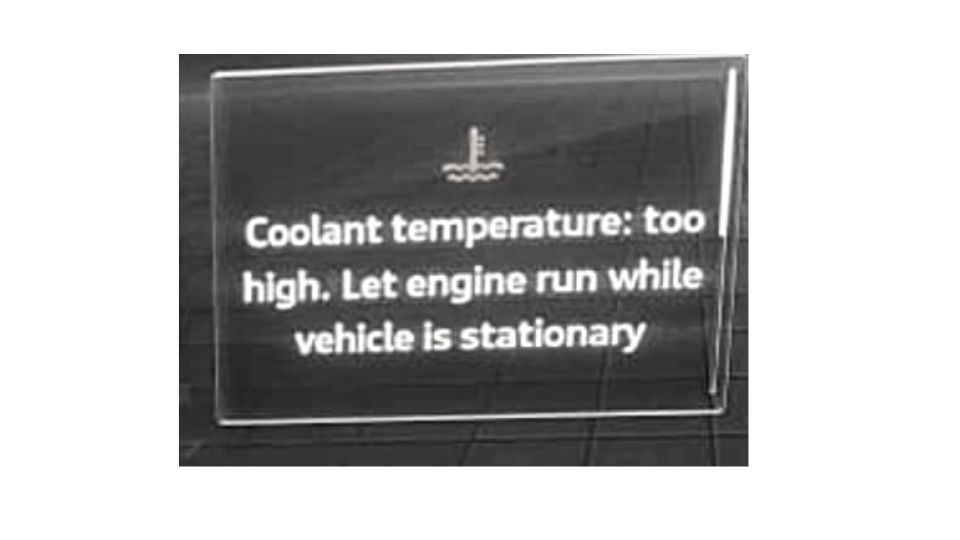
The humble coolant reservoir. Often overlooked, yet absolutely vital for maintaining optimal engine temperature and preventing catastrophic damage. We all know the basics: keep it topped up between the "Min" and "Max" lines. But what happens when eagerness gets the better of you, and you inadvertently fill it too high? In the age of increasingly complex powertrains, including electric vehicles (EVs) and sophisticated hybrid systems, understanding the consequences is more important than ever.
The Immediate Risks
The most immediate risk associated with overfilling your coolant reservoir is overflow. As the engine heats up, the coolant expands. If the reservoir is already full, there's nowhere for that excess coolant to go except out. This can lead to a messy situation under the hood, potentially damaging sensitive electronic components. Modern vehicles are packed with sensors and control units, and exposure to coolant can cause corrosion and malfunctions, especially if the coolant isn't specifically designed for the materials it comes into contact with. Furthermore, the escaping coolant creates an environmental hazard, as it contains toxic chemicals.
Beyond the immediate mess, there's the potential for pressure build-up within the cooling system. Overfilling can reduce the air pocket within the reservoir, which is designed to accommodate expansion and contraction. This can put undue stress on hoses, seals, and even the radiator itself, potentially leading to leaks and costly repairs down the line. In extreme cases, a blown hose or a cracked radiator can render your vehicle undriveable.
Coolant and the Electric Vehicle Revolution
While the core principle of heat management remains the same, the role of coolant is evolving significantly in the electric vehicle (EV) landscape. EVs, while not having combustion engines, still generate heat from components like the battery pack, electric motors, and power electronics. Sophisticated cooling systems are crucial for maintaining optimal operating temperatures and ensuring battery longevity and performance. In some advanced EV designs, coolant even circulates directly within the battery pack to facilitate rapid charging and prevent overheating.
The consequences of overfilling the coolant reservoir in an EV can be similar to those in a traditional internal combustion engine (ICE) vehicle, but with some key differences. The cooling systems in EVs are often more complex and integrated, with more components susceptible to damage from coolant leaks. Moreover, the cost of replacing a damaged battery pack or power electronics module can be significantly higher than repairing a traditional engine. New advancements in immersion cooling systems, where components are directly submerged in a dielectric coolant, are also being explored for future EV designs. Managing coolant levels correctly will become even more critical for ensuring system reliability.
Hybrid Systems: A Delicate Balance
Hybrid vehicles present a unique challenge. They combine the complexity of an ICE with the added components of an electric drivetrain. This means they require two distinct cooling systems: one for the engine and another for the electric motor, inverter, and battery pack. Overfilling coolant in either system can have detrimental effects, potentially leading to issues with both the combustion engine and the electric drive system. With the increased complexity, preventative maintenance becomes even more crucial for hybrid vehicle longevity. Self-diagnosing smart coolant reservoirs are being developed to alert the driver of potential issues, like overfilling, leaks, or even coolant degradation before it causes a costly failure.
Smart Automotive Solutions and the Future of Cooling
The future of automotive cooling is inextricably linked to the advancement of smart automotive solutions. Imagine coolant reservoirs equipped with smart sensors that not only monitor coolant levels but also analyze the coolant's chemical composition, detecting early signs of degradation or contamination. This data could be transmitted wirelessly to the vehicle's onboard computer and even to the owner's smartphone, providing real-time alerts and proactive maintenance recommendations.
Furthermore, artificial intelligence (AI) could be used to optimize cooling system performance based on driving conditions, weather patterns, and individual driving habits. This could lead to increased energy efficiency, reduced emissions, and improved overall vehicle performance. Imagine an AI system that anticipates potential overheating situations and proactively adjusts coolant flow to maintain optimal engine or battery temperature.
Challenges and Opportunities
While the future of automotive cooling is bright, there are several challenges that need to be addressed. The increasing complexity of cooling systems requires highly skilled technicians who are proficient in diagnosing and repairing both traditional and electric vehicle cooling systems. Furthermore, the development of new coolant technologies must prioritize environmental sustainability, minimizing the use of toxic chemicals and promoting the use of biodegradable materials.
The opportunities, however, are immense. By embracing innovation and prioritizing preventative maintenance, we can ensure that our vehicles, regardless of their powertrain, remain reliable, efficient, and environmentally friendly.
The future of mobility is not just about electric motors and autonomous driving; it's about creating a holistic ecosystem that seamlessly integrates technology, sustainability, and driver experience. Properly maintaining something as fundamental as the coolant system is a cornerstone of this future. As we move towards a world of increasingly interconnected and intelligent vehicles, understanding the intricacies of these systems and proactively addressing potential issues will be paramount to ensuring a safe, reliable, and sustainable transportation future. The very act of checking your coolant level could soon be a gateway to a world of predictive maintenance and optimized vehicle performance.