
What Happens If You Mix Antifreeze Colors
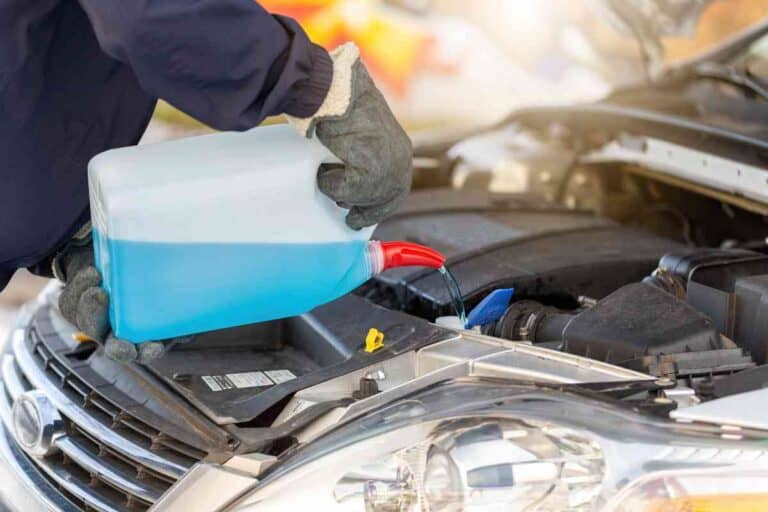
The seemingly simple question of "what happens if you mix antifreeze colors?" has broader implications than just a potential roadside breakdown. It's a gateway to understanding the intricate and evolving world of automotive coolant technology, a field that's being rapidly reshaped by the rise of electric vehicles (EVs), advanced hybrid systems, and a growing emphasis on sustainability. The short answer is: mixing antifreeze colors *can* be problematic. But the long answer requires a deeper dive into the chemical complexities and the future of thermal management in automobiles.
The Colorful Confusion: Understanding Coolant Chemistry
Traditional antifreeze, primarily ethylene glycol or propylene glycol-based, is far from a homogenous product. Different manufacturers use various additive packages to protect against corrosion, scaling, and cavitation in different engine materials. These additives, often containing silicates, phosphates, or organic acids, are what give antifreeze its distinctive color – green, blue, orange, yellow, pink, and purple being the most common. Mixing incompatible additive packages can lead to chemical reactions, forming sludge or gels that clog radiator passages, reduce heat transfer efficiency, and ultimately damage your engine. While some coolants are advertised as "universal," it's always best to consult your vehicle's owner's manual for the recommended coolant type to avoid potential problems.
The Electric Shift: New Demands on Coolant Technology
The advent of EVs and sophisticated hybrid systems is dramatically changing the landscape of coolant requirements. While internal combustion engines (ICEs) require coolant to manage the extreme heat generated by combustion, EVs face different thermal challenges. Batteries, power electronics, and electric motors all generate heat that needs to be efficiently dissipated to maintain optimal performance and longevity. This has led to the development of specialized coolants with enhanced thermal conductivity, dielectric properties (the ability to insulate against electrical currents), and compatibility with the materials used in EV components. Future coolant formulations will likely incorporate nanotechnology, such as nano-fluids containing nanoparticles of copper or aluminum oxide, to further improve heat transfer capabilities. The coolant also needs to be non-conductive to prevent short circuits, a feature rarely emphasized with ICE vehicles.
Beyond Traditional Liquids: Emerging Thermal Management Solutions
Looking further ahead, we're likely to see a shift beyond traditional liquid coolants altogether. Research is underway on advanced thermal management systems using phase-change materials (PCMs), which absorb and release heat as they transition between solid and liquid states. PCMs offer the potential for significantly higher heat storage capacity compared to conventional coolants, enabling more efficient temperature control and reducing the need for bulky cooling systems. Another promising area is the development of direct-cooling technologies, where coolant is directly applied to the heat-generating components, such as the battery cells in an EV, for maximum heat transfer efficiency. This approach requires highly specialized coolants with exceptional dielectric properties and compatibility with sensitive electronic components.
The Challenges Ahead: Cost, Complexity, and Sustainability
The transition to these advanced thermal management solutions isn't without its challenges. The cost of developing and manufacturing new coolants and cooling systems can be significant, potentially impacting the affordability of EVs. Furthermore, the complexity of these systems requires specialized expertise for maintenance and repair. And perhaps most importantly, the environmental impact of coolant production and disposal needs to be carefully considered. There is a growing need for sustainable coolant formulations that are biodegradable, non-toxic, and made from renewable resources. This requires a collaborative effort between coolant manufacturers, automakers, and regulatory agencies to establish industry standards and promote environmentally responsible practices.
Smart Cooling for a Smarter Future
The future of automotive coolant is inextricably linked to the broader evolution of smart automotive solutions. Imagine a vehicle with a self-diagnosing cooling system that can detect coolant leaks, monitor heat transfer efficiency, and even predict potential failures before they occur. Integrated sensors and advanced algorithms could optimize cooling performance based on driving conditions, battery state of charge, and ambient temperature, maximizing energy efficiency and extending component lifespan. The rise of over-the-air (OTA) updates could even allow for remote software updates to coolant management systems, optimizing performance and addressing potential issues without requiring a trip to the mechanic.
The seemingly mundane topic of antifreeze colors serves as a window into a rapidly changing world. As we move towards a future dominated by electric vehicles and advanced hybrid systems, the demands on coolant technology will only continue to grow. By embracing innovation, addressing the challenges of cost, complexity, and sustainability, and integrating smart technologies, we can unlock the full potential of automotive thermal management and pave the way for a more efficient, reliable, and environmentally responsible transportation future. The future of mobility isn't just about faster cars and longer ranges; it's about smarter, more sustainable systems that work in harmony to deliver a seamless and enjoyable driving experience. The humble coolant, often overlooked, will play a vital role in making that vision a reality.