
What Happens If You Put Oil In A Gas Tank
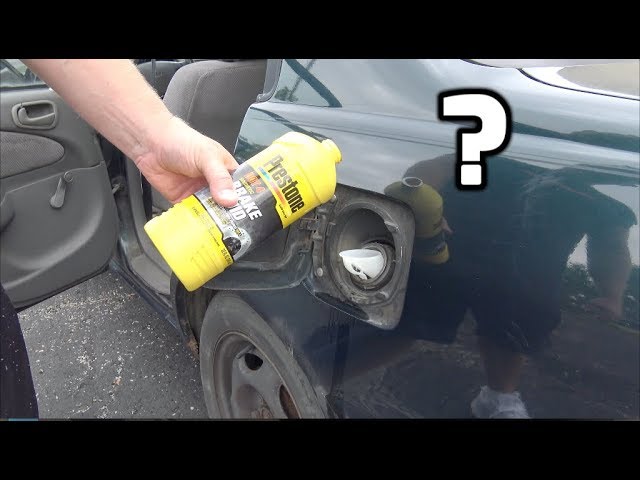
The scenario is a nightmare for any car owner: accidentally pouring oil into the fuel tank instead of gasoline. While seemingly a simple mistake, the consequences can range from mildly inconvenient to catastrophically expensive, depending on the amount of oil added and how long the engine runs in that state. Let’s delve into the technical ramifications of this unfortunate event.
Immediate Effects: Fuel System Contamination
The moment oil enters the gas tank, it begins to contaminate the entire fuel system. Unlike gasoline, motor oil is significantly thicker and doesn’t vaporize easily. This change in viscosity throws the entire system off-kilter. Here's a breakdown:
- Fuel Pump Strain: The fuel pump, designed to move a relatively thin liquid, now has to work overtime to pump the viscous oil-gasoline mixture. This increased strain can lead to overheating and premature failure of the pump.
- Fuel Filter Clogging: The fuel filter is the first line of defense. It's designed to trap particulates and prevent them from reaching the engine. Oil, however, is a different beast. The filter quickly becomes clogged, restricting fuel flow and potentially starving the engine. Depending on the type of filter (paper, synthetic, etc.) the effect will vary, but some degree of clogging is certain.
- Fuel Line Blockage: Similar to the fuel filter, the fuel lines themselves can become coated with oil residue. This restricts the flow of fuel, leading to performance issues.
- Compromised Injectors: Fuel injectors are precision components designed to spray a fine mist of gasoline into the engine. Oil residue can clog the injectors, leading to poor atomization, uneven fuel distribution, and misfires. Modern gasoline direct injection (GDI) systems with their extremely tight tolerances are especially vulnerable.
Engine Performance Issues
If the contaminated fuel makes it to the engine, several problems can arise:
- Misfires: As mentioned before, clogged or malfunctioning injectors lead to misfires. The engine will run rough, lose power, and the check engine light will likely illuminate. Diagnostic Trouble Codes (DTCs) related to misfires (e.g., P0300, P0301, P0302) will be stored in the Engine Control Unit (ECU).
- Poor Combustion: Even if the injectors aren't completely blocked, the presence of oil interferes with proper combustion. Oil doesn't ignite as readily as gasoline in the engine's environment. This leads to incomplete combustion, reduced power, and increased emissions.
- Spark Plug Fouling: The oil that does manage to burn can leave deposits on the spark plugs, causing them to foul and misfire. These deposits can short-circuit the spark plugs, preventing them from igniting the fuel-air mixture.
- Catalytic Converter Damage: Unburned hydrocarbons and other contaminants resulting from the oil-contaminated fuel can overwhelm the catalytic converter, leading to overheating and eventual failure. Replacing a catalytic converter is an expensive repair.
Severity and Mitigation
The severity of the damage depends on several factors:
- Amount of Oil: A small amount of oil (e.g., a few ounces in a full tank) might only cause minor performance issues that can be resolved by adding fuel injector cleaner and running a few tanks of gas. A significant amount (e.g., a quart or more) will undoubtedly cause more serious problems.
- Type of Oil: Synthetic oils tend to be more refined and may cause slightly less residue compared to conventional oils. However, both will still cause problems.
- Vehicle Type: Older vehicles with simpler fuel systems might be more tolerant than modern vehicles with sophisticated fuel injection systems and sensitive catalytic converters. Direct injection engines are particularly vulnerable.
If you realize you've added oil to the gas tank, the first and most important step is to NOT start the engine. Here’s what you should do:
- Drain the Tank: The fuel tank needs to be completely drained. This is best done by a professional mechanic who can safely dispose of the contaminated fuel.
- Flush the Fuel Lines: The fuel lines need to be flushed to remove any residual oil.
- Replace the Fuel Filter: A new fuel filter is essential to prevent further contamination.
- Inspect Injectors: The fuel injectors should be inspected and cleaned or replaced if necessary, especially in GDI engines.
- Consider Professional Cleaning: In severe cases, a professional fuel system cleaning service may be required to remove all traces of oil.
Adding oil to a gas tank is a serious mistake that can lead to a range of engine problems. Prompt action and professional intervention are crucial to minimize damage and avoid costly repairs. Prevention, of course, is the best cure. Always double-check the fluids you're adding to your vehicle!