
What Happens When Brake Pads Are Worn Out
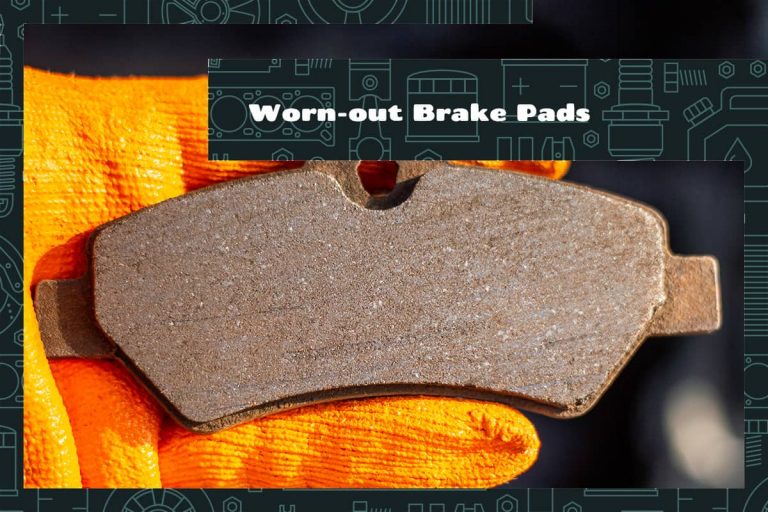
Your brakes are the unsung heroes of every drive, quietly working to keep you safe and in control. But like any component, they wear down. Knowing what happens when your brake pads are worn out is crucial for maintaining vehicle safety and preventing costly repairs. This isn't just about squealing noises; it's about a cascading effect that can compromise your entire braking system.
The Obvious Signs: Hearing and Feeling the Wear
The most common symptom of worn brake pads is, of course, the noise. Many pads are equipped with a wear indicator, a small metal tab designed to rub against the rotor when the pad material thins to a certain point. This creates a high-pitched squeal, a clear signal that it's time for a brake job. However, not all vehicles exhibit this warning sound. Some might only present with a grinding noise, indicating that the pad material is completely gone and the metal backing plate is now scraping against the rotor. This is a much more serious situation, and you should stop driving immediately.
Beyond auditory cues, you might also feel the wear. A pulsating brake pedal, a longer stopping distance, or a feeling of sponginess in the pedal can all indicate worn pads. These symptoms become more pronounced under heavier braking or during emergency stops.
The Less Obvious Consequences: Rotor Damage and Beyond
Ignoring worn brake pads doesn't just mean annoying squeals. The real damage occurs when the friction material is gone, and the metal backing plate starts making direct contact with the rotors. This metal-on-metal contact severely damages the rotors, potentially requiring replacement instead of just a simple resurfacing. Rotor replacement adds significantly to the overall cost of the brake job.
Furthermore, excessive heat generated by worn brakes can boil the brake fluid, leading to brake fade. This is a dangerous condition where the brake pedal feels soft and unresponsive, dramatically increasing stopping distances. In extreme cases, brake fade can result in complete brake failure.
Model and Technology Variations: Differences to Consider
The symptoms and consequences of worn brake pads can vary depending on the vehicle model, engine, and brake technology used. For instance:
- Performance Cars (e.g., Porsche 911, BMW M3): Often equipped with higher-performance brake pads that offer superior stopping power but may wear faster than standard pads. The wear indicator might be more subtle, and drivers rely more on visual inspection and brake performance.
- Trucks and SUVs (e.g., Ford F-150, Toyota 4Runner): Due to their increased weight and towing capacity, these vehicles often place a higher demand on their braking systems. Worn pads can lead to increased stopping distances and a greater risk of brake fade, especially when hauling heavy loads.
- Electric Vehicles (EVs) (e.g., Tesla Model 3, Nissan Leaf): EVs utilize regenerative braking, which helps to recharge the battery and reduce wear on the traditional friction brakes. As a result, brake pads in EVs typically last longer than in gasoline-powered vehicles. However, when the friction brakes are engaged, worn pads can still cause the same problems as in other vehicles.
Spec Table: Pad Material Comparison
| Pad Material | Pros | Cons | Typical Applications |
|---|---|---|---|
| Organic (Non-Asbestos Organic - NAO) | Quiet, gentle on rotors, inexpensive | Wears quickly, lower braking performance, generates more dust | Everyday commuter cars, light-duty applications |
| Semi-Metallic | Good braking performance, decent lifespan, cost-effective | Noisier than organic, more rotor wear, can be dusty | Most passenger cars, SUVs, light trucks |
| Ceramic | Quiet, long-lasting, low dust, good braking performance | More expensive than semi-metallic or organic | Luxury cars, performance cars, drivers prioritizing cleanliness and longevity |
| Performance (e.g., Carbon Ceramic) | Exceptional braking performance, fade resistance, high temperature stability | Very expensive, noisy, aggressive rotor wear, not suitable for everyday driving | Track cars, high-performance vehicles |
Real-World Driving Impressions: The Seat-of-the-Pants Test
While the squealing noise is the most obvious indicator, experienced drivers often rely on their feel for the car. A "mushy" or unresponsive brake pedal, especially after repeated braking, is a strong indication of brake problems. Also, observe how the car behaves during hard stops. Does it pull to one side? Does the ABS activate prematurely? These are all signs that your brakes might not be performing optimally.
Prevention is Key: Regular Inspections and Maintenance
The best way to avoid the problems associated with worn brake pads is to have them inspected regularly. During a routine service, a qualified technician can visually inspect the pads for wear and tear, check the brake fluid level and condition, and assess the overall health of your braking system. Catching worn pads early can save you money and prevent more serious damage to your vehicle.
- Pros of Regular Brake Inspections:
- Early detection of wear, preventing rotor damage
- Ensures optimal braking performance and safety
- Potentially saves money on costly repairs
- Maintains vehicle resale value
- Cons of Neglecting Brake Inspections:
- Rotor damage requiring replacement
- Increased stopping distances and reduced safety
- Potential brake failure
- Higher repair costs in the long run
Driving habits also play a significant role in brake pad lifespan. Aggressive driving, frequent hard braking, and carrying heavy loads all contribute to faster wear. By adopting smoother driving techniques and avoiding unnecessary braking, you can extend the life of your brake pads and save money on maintenance.
Finally, remember to always use quality replacement brake pads. Cheap, inferior pads may wear out quickly, offer poor braking performance, and even damage your rotors. Choose pads that are appropriate for your vehicle and driving style.
So, here's a fun one: If you could only choose *one* braking technology for the rest of your life, would you pick Ceramic brakes for everyday driving, knowing the higher cost, or stick with reliable Semi-Metallic? Let the debate begin!