
What Happens When The Alternator Goes Bad
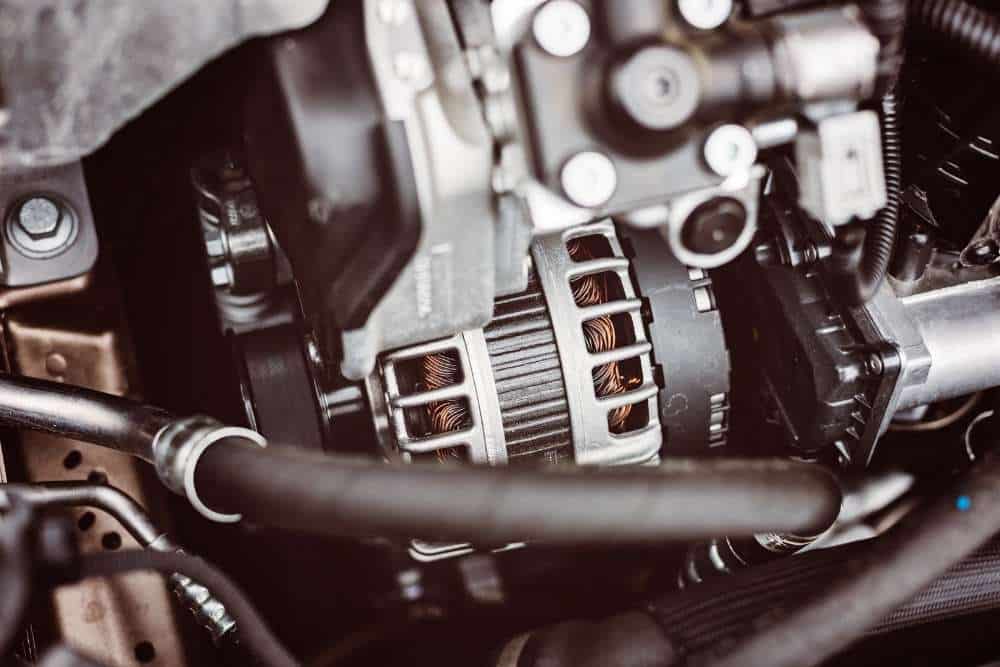
Your car's alternator is a crucial component, responsible for keeping your battery charged and powering the electrical systems while the engine is running. Think of it as a mini power plant under your hood. When it starts to fail, you'll likely notice a cascade of problems. This article will walk you through the signs of a failing alternator, what causes it, and what you can do about it.
Recognizing the Symptoms of a Failing Alternator
Catching alternator problems early can save you from being stranded. Here's what to watch out for:
Dim or Flickering Headlights
One of the most common and noticeable symptoms is dim or flickering headlights, especially at idle. The alternator is struggling to provide enough power, leading to insufficient voltage for the lights. When you accelerate, the alternator might temporarily generate more power, causing the lights to brighten. This is a classic sign the alternator is on its way out.
Dashboard Warning Lights
Most modern vehicles have a battery warning light or an "ALT" light on the dashboard. This light illuminates when the charging system voltage drops below a certain threshold. However, keep in mind that this light can also indicate other battery-related issues, so further investigation is always needed.
Difficulty Starting or a Dead Battery
A failing alternator might not fully charge the battery while you drive. This can lead to difficulty starting the car, especially after it's been sitting for a while. Eventually, the battery can become completely drained, leaving you with a dead battery. If you've recently replaced your battery and are still experiencing starting problems, suspect the alternator.
Unusual Noises
Alternators have internal bearings that can wear out over time. A worn bearing can produce a whining, grinding, or squealing noise, especially when the engine is running. These noises might become louder as the engine speed increases. A failing voltage regulator inside the alternator can also create a high-pitched whining sound.
Electrical System Problems
A failing alternator can cause various electrical system malfunctions. You might experience issues with power windows, power locks, the radio, the air conditioning, or even the power steering. These systems rely on a consistent voltage supply, and a weak alternator can cause them to perform erratically or stop working altogether.
Stalling
In severe cases, a failing alternator can cause the engine to stall. This happens when the alternator can no longer provide enough power to keep the engine running, especially when multiple electrical loads are active (e.g., headlights, air conditioning, radio). Stalling can be dangerous, particularly in traffic.
What Causes Alternator Failure?
Understanding the causes of alternator failure can help you prevent it and extend the life of your charging system.
Wear and Tear
Like any mechanical component, alternators have a limited lifespan. Over time, the internal components, such as the brushes, bearings, and diodes, can wear out due to friction, heat, and vibration. Normal wear and tear is the most common cause of alternator failure.
Heat
Excessive heat can damage the alternator's internal components, particularly the diodes and voltage regulator. High engine compartment temperatures, especially in hot climates, can shorten the alternator's lifespan. Proper engine cooling is crucial for alternator longevity.
Moisture and Corrosion
Exposure to moisture, such as from rain, snow, or road spray, can cause corrosion on the alternator's terminals and internal wiring. Corrosion can reduce the alternator's efficiency and eventually lead to failure. Protecting the alternator from moisture and cleaning the terminals regularly can help prevent this.
Overloading
Constantly running multiple high-power accessories simultaneously (e.g., aftermarket sound systems, off-road lights, winches) can overload the alternator. This forces it to work harder and generate more heat, which can accelerate wear and tear. Upgrading to a higher-output alternator might be necessary if you frequently use high-power accessories.
Loose or Corroded Connections
Loose or corroded wiring connections can impede the flow of electricity to and from the alternator. This can cause the alternator to work harder and generate more heat, leading to premature failure. Regularly inspecting and cleaning the wiring connections can help prevent this problem.
Faulty Voltage Regulator
The voltage regulator controls the alternator's output voltage. If the voltage regulator fails, the alternator might overcharge or undercharge the battery. Overcharging can damage the battery, while undercharging can lead to starting problems. A faulty voltage regulator often requires replacing the entire alternator.
Diagnosing an Alternator Problem
If you suspect your alternator is failing, it's essential to diagnose the problem accurately. Here are some steps you can take:
Visual Inspection
Start by visually inspecting the alternator for any signs of damage, such as cracks, leaks, or corrosion. Check the wiring connections for looseness or corrosion. Make sure the alternator belt is in good condition and properly tensioned.
Voltage Test
Use a multimeter to measure the voltage at the battery terminals while the engine is running. A healthy alternator should produce a voltage between 13.5 and 14.5 volts. If the voltage is significantly lower or higher than this range, it could indicate an alternator problem. Be extremely cautious when working around a running engine and electrical components.
Tools Needed: Multimeter
Load Test
A load test simulates the electrical demands of the vehicle by turning on various accessories, such as the headlights, air conditioning, and radio. Monitor the battery voltage while these accessories are running. If the voltage drops significantly, it could indicate that the alternator is not producing enough power.
Many auto parts stores offer free alternator testing services. This can be a convenient way to get a professional diagnosis.
Professional Diagnosis
If you're unsure about diagnosing the problem yourself, it's best to take your vehicle to a qualified mechanic. They have the tools and expertise to accurately diagnose the alternator and other electrical system components.
Repairing or Replacing a Failing Alternator
Once you've confirmed that the alternator is failing, you have two main options: repair or replacement. In most cases, replacement is the more cost-effective and reliable option, especially for older vehicles.
Alternator Replacement
Replacing an alternator is a relatively straightforward procedure that can often be done at home with basic tools and mechanical knowledge. However, it's crucial to follow the manufacturer's instructions and take necessary safety precautions, like disconnecting the negative battery cable before starting work.
Tools Needed: Socket set, wrench set, screwdrivers, torque wrench, multimeter (optional)
Approximate Cost: $200-$800 (parts and labor), depending on the vehicle make and model.
Alternator Repair
Repairing an alternator involves replacing the faulty components, such as the brushes, bearings, or voltage regulator. This can be a more complex and time-consuming process than replacement, and it requires specialized tools and knowledge. In many cases, the cost of repairing an alternator is comparable to the cost of replacing it, especially if multiple components need to be replaced. Unless dealing with a classic or rare vehicle, replacement is typically recommended.
Preventing Alternator Problems
While alternators eventually fail, you can take steps to extend their lifespan and prevent premature failures.
- Regular Maintenance: Regularly inspect the alternator belt for wear and tear. Make sure the belt is properly tensioned. Clean the alternator terminals and wiring connections to prevent corrosion.
- Avoid Overloading: Avoid running multiple high-power accessories simultaneously. If you frequently use high-power accessories, consider upgrading to a higher-output alternator.
- Proper Cooling: Ensure that the engine cooling system is functioning properly. Overheating can damage the alternator.
- Professional Inspections: Have your vehicle's charging system inspected by a qualified mechanic during routine maintenance. Early detection of problems can prevent more serious damage.
By understanding the signs of a failing alternator, the causes of failure, and the steps you can take to prevent problems, you can keep your vehicle running smoothly and avoid being stranded with a dead battery.