
What Happens When The Alternator Goes Out
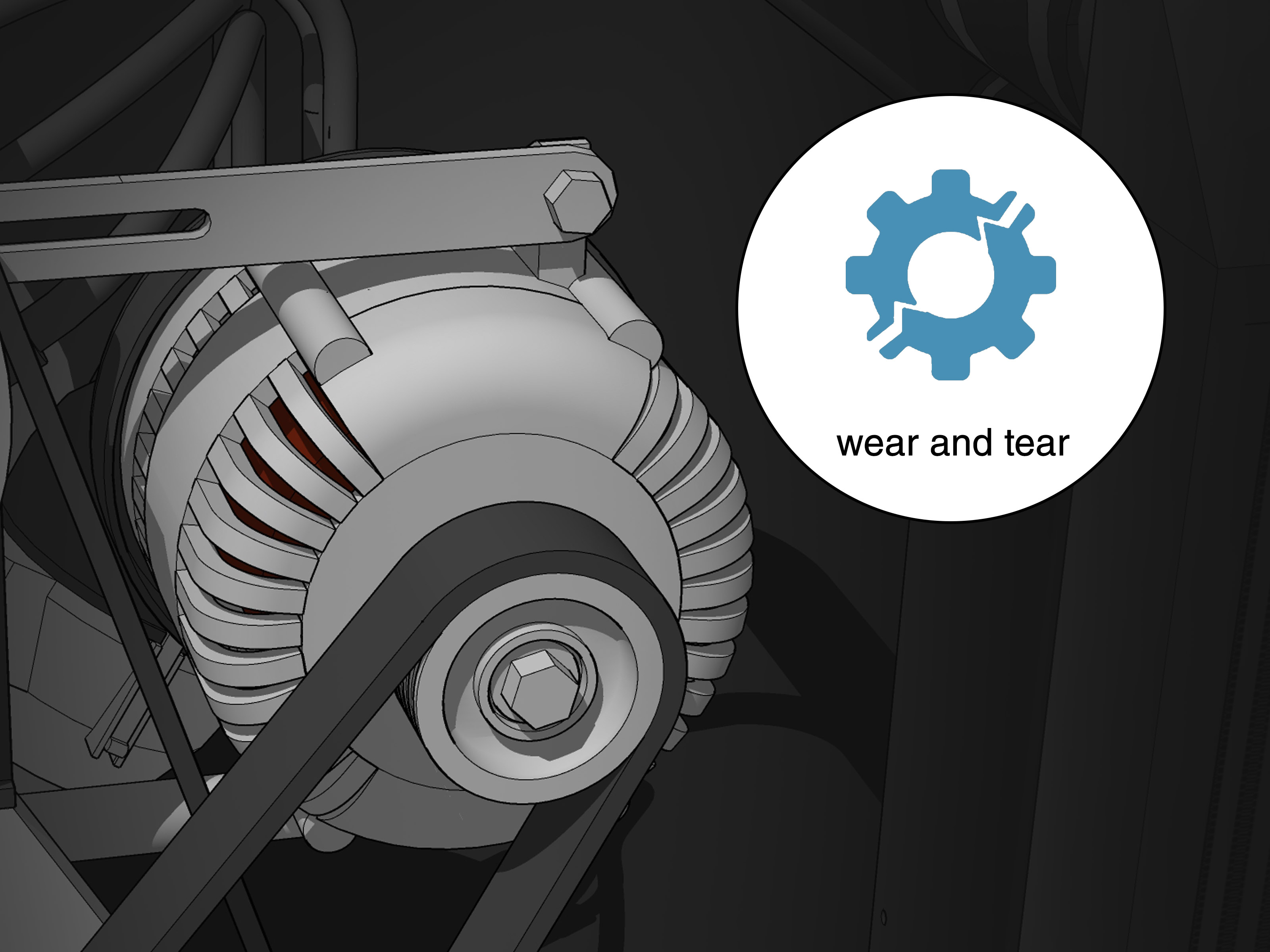
The alternator, often overshadowed by the battery, is the unsung hero of your car's electrical system. Its job is simple yet crucial: to convert mechanical energy from the engine into electrical energy, replenishing the battery and powering all the electrical components while the engine is running. When the alternator fails, it can lead to a cascade of problems, eventually leaving you stranded. This article dives deep into what happens when your alternator gives up the ghost.
The Slow Decline: Warning Signs of a Failing Alternator
Alternator failures are rarely sudden. More often, they announce their impending demise with a series of warning signs. Recognizing these early can save you from a roadside breakdown and potentially more expensive repairs. Here are some key indicators:
- Dim or Flickering Headlights: This is one of the most common and easily noticeable symptoms. As the alternator struggles to provide enough power, the headlights may dim, especially at lower RPMs. A flickering effect can also occur.
- Warning Lights: The battery warning light (often resembling a battery symbol) or the "ALT" (alternator) light on your dashboard illuminating is a clear red flag. Don't ignore these!
- Strange Noises: A failing alternator can produce a whining, grinding, or squealing noise. This is often due to worn bearings or a failing voltage regulator.
- Electrical Issues: Problems with other electrical components, such as the power windows operating slowly, the radio cutting out, or the air conditioning not working properly, can also indicate an alternator issue.
- Difficulty Starting: While often attributed to a weak battery, a failing alternator can also contribute to starting problems, as it may not be properly charging the battery.
- Stalling: In severe cases, a failing alternator can cause the engine to stall, particularly when electrical load is high (e.g., when the headlights and air conditioning are on).
The Downward Spiral: What Happens When the Alternator Dies Completely
If you ignore the warning signs, the alternator will eventually fail completely. When this happens, the car will begin to rely solely on the battery for power. The consequences are predictable:
- Battery Depletion: Without the alternator charging it, the battery will slowly discharge as it powers the car's electrical systems.
- Reduced Performance: As the battery voltage drops, the car's electrical components will function less effectively. The engine control unit (ECU), responsible for managing engine performance, may receive insufficient power, leading to poor acceleration, rough idling, and reduced fuel economy.
- Systematic Shutdown: One by one, the car's electrical systems will begin to shut down. The headlights will dim further, the radio will cut out, and the power windows will stop working.
- Complete Breakdown: Eventually, the battery will be completely drained, and the car will simply stop running. You'll be left stranded with a dead battery and a non-functioning alternator.
The Culprits: Common Causes of Alternator Failure
Several factors can contribute to alternator failure. Understanding these causes can help you prevent future problems.
- Wear and Tear: Like any mechanical component, alternators have a limited lifespan. Over time, the brushes, bearings, and other internal components wear out.
- Heat: The alternator operates in a hot environment near the engine. Excessive heat can damage the internal components and shorten its lifespan.
- Contamination: Dirt, oil, and other contaminants can damage the alternator's internal components.
- Loose or Corroded Connections: Poor electrical connections can cause voltage drops and overheating, leading to alternator failure.
- Overloading: Consistently using excessive electrical accessories (e.g., a high-powered aftermarket sound system) can overload the alternator and shorten its lifespan.
- Bad Voltage Regulator: The voltage regulator controls the alternator's output voltage. A faulty voltage regulator can cause the alternator to overcharge or undercharge the battery.
The Fix: Repair or Replace?
When your alternator fails, you have two main options: repair or replace. Repairing an alternator typically involves replacing worn components, such as the brushes, bearings, or voltage regulator. This can be a cost-effective option if the alternator is relatively new and the damage is limited. However, it's often more reliable to replace the entire alternator, especially if it's old or has high mileage. New alternators come with a warranty, providing peace of mind. Remanufactured alternators are also an option, offering a balance between cost and reliability.
The cost of replacing an alternator can vary depending on the vehicle make and model, the type of alternator (e.g., OEM vs. aftermarket), and the labor costs involved. Expect to pay anywhere from $300 to $800 or more for a complete alternator replacement.
Prevention is Key: Maintaining Your Alternator
While alternators will eventually fail, you can extend their lifespan with proper maintenance.
- Regular Inspections: Have your mechanic inspect the alternator during routine maintenance checks. They can check the voltage output, the condition of the connections, and listen for any unusual noises.
- Proper Battery Maintenance: A healthy battery reduces the strain on the alternator. Ensure your battery is properly charged and maintained.
- Avoid Overloading: Be mindful of the electrical load you're placing on the alternator. Avoid using excessive electrical accessories unnecessarily.
- Keep it Clean: Keep the alternator clean and free from dirt, oil, and other contaminants.
In conclusion, a failing alternator can lead to a host of electrical problems and eventually leave you stranded. Recognizing the warning signs early, understanding the common causes of failure, and performing regular maintenance can help you prevent alternator problems and keep your car running smoothly. Ignoring these signs can lead to expensive repairs and unexpected breakdowns. Remember, a healthy alternator is essential for a reliable and enjoyable driving experience.