
What Happens When Your Fuel Pump Goes Out
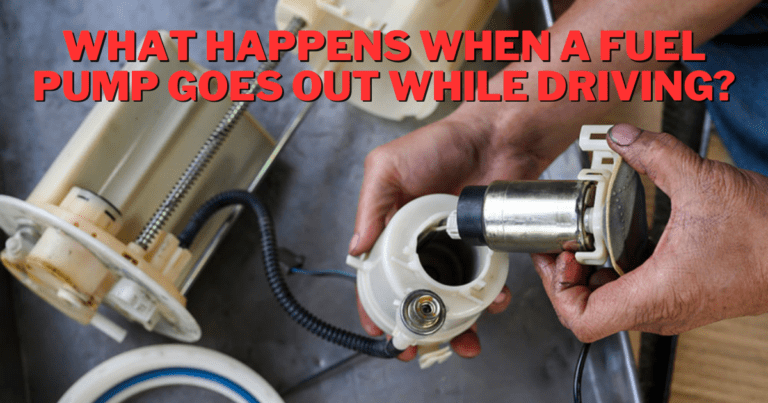
The fuel pump: often overlooked, yet utterly critical to the function of any internal combustion engine. When it fails, the consequences range from irritating stalls to complete immobilization. Understanding what happens when your fuel pump gives up the ghost is crucial for diagnosis, maintenance, and even preventative measures. Let's delve into the mechanics and symptoms of fuel pump failure.
The Fuel Pump's Role: More Than Just Pumping
The primary job of the fuel pump is, of course, to move fuel from the gas tank to the engine. Modern fuel injection systems demand consistent and precisely regulated fuel pressure. This is where the fuel pump's sophistication comes into play. It's not just about volume; it's about maintaining the correct pressure at the fuel rail, ready for the injectors to atomize the fuel into the cylinders. Most vehicles employ electric fuel pumps, typically located inside the fuel tank for efficient cooling and noise reduction. Submersion in fuel helps dissipate heat generated by the electric motor.
Phases of Failure: From Subtle Hints to Sudden Death
Fuel pump failures rarely happen instantaneously. More often, they degrade over time, presenting a series of tell-tale signs. Early symptoms can be intermittent and easily misdiagnosed. Here's a breakdown of the phases:
- Phase 1: Reduced Pressure & Flow. The pump may struggle to maintain the required fuel pressure, especially under high load conditions (acceleration, hill climbing). This often results in hesitation, stumbling, or a noticeable lack of power. A mechanic with a fuel pressure gauge can quickly diagnose this by connecting it to the fuel rail test port.
- Phase 2: Intermittent Stalling. As the pump deteriorates further, stalling becomes more frequent, particularly when the engine is hot. Heat soak can exacerbate electrical resistance within the pump motor, causing it to temporarily cease operation. Starting the engine again after a stall might be difficult and require multiple attempts.
- Phase 3: No-Start Condition. The final stage is complete failure. The pump is unable to generate sufficient pressure to allow the engine to start. You'll crank the engine, but it won't fire up. At this point, you might hear a faint whirring sound from the fuel tank when the ignition is turned on (if you listen closely), but it won't be the normal, healthy hum. In some cases, the pump will be completely silent.
Symptoms in Detail: What to Look and Listen For
Knowing the symptoms can save you from getting stranded. Here's a more detailed look:
- Hesitation and Stumbling: A classic sign of insufficient fuel delivery, especially during acceleration. The engine may feel like it's "gasping" for fuel.
- Reduced Fuel Economy: A failing pump might deliver fuel erratically, leading to an inefficient air/fuel mixture and decreased MPG.
- Rough Idle: Inconsistent fuel pressure can cause the engine to idle roughly or even stall at idle.
- Difficulty Starting: Particularly after the engine has been running and is hot.
- Stalling at Speed: A sudden loss of power followed by stalling, often without warning. This is a dangerous scenario, especially on the highway.
- Unusual Noises from the Fuel Tank: A whining or buzzing sound from the fuel tank, especially when the ignition is turned on, can indicate a struggling fuel pump motor. However, be aware this is not always present, and other components can cause similar noises.
- Check Engine Light (CEL): While not always indicative of a fuel pump problem, a lean code (e.g., P0171, P0174) or codes related to fuel pressure irregularities can point towards a fuel pump issue. A scan tool is essential for reading these codes.
Diagnosis: Beyond the Symptoms
While the symptoms are indicative, a proper diagnosis requires professional tools and techniques. Here are some common diagnostic steps:
- Fuel Pressure Test: Connecting a fuel pressure gauge to the fuel rail test port and measuring the fuel pressure at various engine speeds and loads.
- Fuel Volume Test: Measuring the amount of fuel the pump can deliver in a given time.
- Electrical Testing: Checking the voltage and ground connections to the fuel pump. A faulty relay or wiring harness can also cause fuel pump problems.
- Scan Tool Data: Monitoring fuel pressure parameters and other sensor data using a diagnostic scan tool.
Causes of Failure: Why Fuel Pumps Give Up
Several factors can contribute to fuel pump failure:
- Running Low on Fuel: Regularly operating the vehicle with a low fuel level can cause the fuel pump to overheat. The fuel acts as a coolant for the pump motor.
- Contaminated Fuel: Debris and contaminants in the fuel tank can clog the fuel pump filter and strain the pump motor.
- Age and Wear: Like any mechanical component, fuel pumps have a limited lifespan. Over time, the motor can wear out, leading to reduced performance and eventual failure.
- Electrical Issues: Problems with the fuel pump relay, wiring harness, or electrical connections can also cause the fuel pump to fail.
Prevention: Extending Your Fuel Pump's Life
While fuel pump failure is often inevitable, you can take steps to prolong its lifespan:
- Keep the Fuel Tank Full: Avoid running the vehicle with a low fuel level, especially during hot weather.
- Use Quality Fuel: Purchase fuel from reputable gas stations to minimize the risk of contaminated fuel.
- Replace the Fuel Filter Regularly: A clean fuel filter prevents debris from reaching the fuel pump.
- Consider Fuel System Cleaners: While debated, some high-quality fuel system cleaners can help remove deposits from the fuel system and improve fuel pump performance.
A failing fuel pump is more than just an inconvenience; it's a potential safety hazard. Recognizing the symptoms and acting quickly can prevent more serious problems and ensure you're not left stranded on the side of the road. If you suspect your fuel pump is failing, consult a qualified mechanic for diagnosis and repair.