
What Is A Stop Lamp Switch
The humble stop lamp switch, often overlooked, plays a critical role in vehicle safety. It's a small component with a significant function: activating your brake lights when you depress the brake pedal. Without a functioning stop lamp switch, other drivers wouldn't know you're slowing down or stopping, dramatically increasing the risk of a rear-end collision. This article delves into the workings of this vital part, exploring its purpose, operation, common failures, troubleshooting tips, and replacement procedures.
What is a Stop Lamp Switch?
At its core, the stop lamp switch is a simple electrical switch. Typically located near the brake pedal, it completes an electrical circuit when the pedal is pressed. This completed circuit sends power to the brake lights, illuminating them and signaling your intent to stop. In older vehicles, this was a purely mechanical connection. Modern vehicles, however, often integrate the stop lamp switch into more complex systems, such as the cruise control, traction control, and antilock braking systems (ABS).
Think of it like a light switch in your house. When you flip the switch, you complete the circuit and the light comes on. The stop lamp switch performs a similar function, but instead of a light in your home, it controls the brake lights on your car.
Location, Location, Location
The stop lamp switch is almost always found near the brake pedal assembly. Its exact placement can vary slightly depending on the vehicle make and model, but it's generally mounted in a way that allows it to be activated by the brake pedal's movement. Often, you'll find it attached to the brake booster or the pedal bracket itself. Some vehicles utilize a plunger-type switch that's directly depressed by the pedal, while others use a rotary or lever-style switch. Accessing the switch usually requires getting down near the footwell and looking up towards the brake pedal mechanism. Consulting your vehicle's repair manual is the best way to pinpoint its exact location.
How Does it Work?
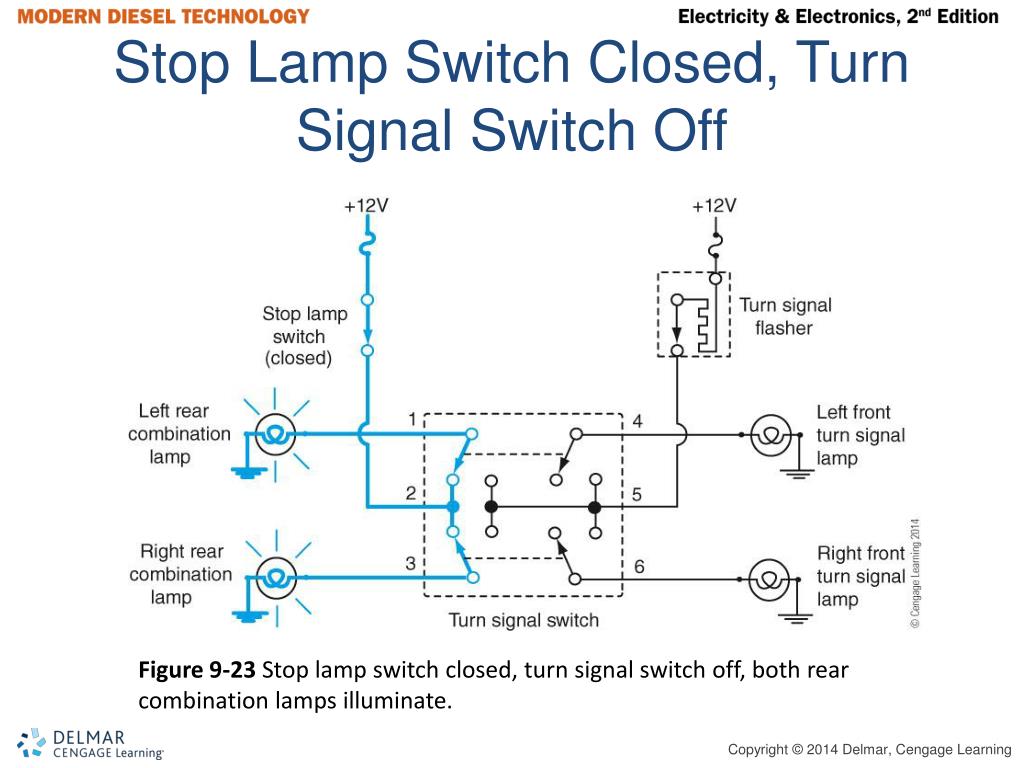
The fundamental principle is straightforward: when the brake pedal is at rest, the stop lamp switch is in the "off" position, interrupting the electrical circuit to the brake lights. When you press the brake pedal, the switch is activated, closing the circuit and sending power to the brake lights, causing them to illuminate.
Here's a more detailed breakdown:
- Resting State: The switch is open, preventing current flow to the brake lights.
- Activation: Pressing the brake pedal mechanically activates the switch.
- Circuit Completion: The switch closes, completing the electrical circuit.
- Illumination: Current flows through the circuit to the brake lights, causing them to light up.
- Release: Releasing the brake pedal deactivates the switch, opening the circuit and turning off the brake lights.
Modern vehicles often integrate the stop lamp switch signal into other systems. For example, the signal might be used to disengage cruise control, activate ABS, or inform the transmission control module (TCM) that the brakes are being applied. This integration means that a faulty stop lamp switch can sometimes cause problems beyond just the brake lights.
Common Symptoms of a Failing Stop Lamp Switch
A failing stop lamp switch can manifest in several ways, some more obvious than others. Here are some common symptoms to watch out for:
- Brake lights don't work: This is the most obvious symptom. If your brake lights aren't illuminating when you press the brake pedal, the stop lamp switch is a prime suspect.
- Brake lights stay on constantly: Conversely, if your brake lights remain illuminated even when you're not pressing the brake pedal, a stuck or shorted stop lamp switch could be the culprit.
- Cruise control doesn't engage or disengages intermittently: As mentioned earlier, the stop lamp switch signal is often used to disengage cruise control. A faulty switch can prevent the cruise control from engaging or cause it to disengage unexpectedly.
- Trouble shifting out of "Park": Some vehicles require the brake pedal to be depressed before you can shift out of "Park." A faulty stop lamp switch can prevent the shift interlock from releasing, making it difficult or impossible to shift gears.
- ABS or Traction Control warning lights: In some cases, a faulty stop lamp switch can trigger warning lights related to the ABS or traction control systems. This is due to the switch's role in providing information to these systems.
- Diagnostic Trouble Codes (DTCs): A failing stop lamp switch will often trigger a DTC that can be read with an OBD-II scanner. Common codes include P0504 (Brake Switch A/B Correlation) and related codes.
Troubleshooting the Stop Lamp Switch
If you suspect a problem with your stop lamp switch, there are several troubleshooting steps you can take:
- Visual Inspection: Check the switch for any obvious signs of damage, such as broken connectors or loose wiring.
- Brake Light Test: Have someone stand behind your vehicle while you press the brake pedal to see if the brake lights are working properly.
- Continuity Test: Use a multimeter to check the continuity of the switch. With the brake pedal released, the switch should be open (no continuity). When the brake pedal is pressed, the switch should be closed (continuity).
- Voltage Test: Use a multimeter to check for voltage at the switch connector. You should have voltage present when the ignition is on.
- OBD-II Scan: Use an OBD-II scanner to check for any diagnostic trouble codes related to the stop lamp switch.
Important Safety Tip: Always disconnect the negative battery terminal before working on any electrical components in your vehicle.
Replacing the Stop Lamp Switch
Replacing a stop lamp switch is a relatively straightforward task that most DIY mechanics can handle. Here's a general overview of the replacement procedure:
- Disconnect the Negative Battery Terminal: This is a crucial safety step to prevent electrical shock.
- Locate the Stop Lamp Switch: As mentioned earlier, the switch is usually located near the brake pedal assembly.
- Disconnect the Electrical Connector: Carefully disconnect the electrical connector from the switch.
- Remove the Old Switch: Depending on the design, the switch may be held in place by a clip, screw, or threaded nut. Remove the fastener and carefully remove the old switch.
- Install the New Switch: Install the new switch in the reverse order of removal. Make sure it's properly seated and secured.
- Connect the Electrical Connector: Reconnect the electrical connector to the switch.
- Reconnect the Negative Battery Terminal: Reconnect the negative battery terminal.
- Test the Brake Lights: Have someone stand behind your vehicle while you press the brake pedal to ensure the brake lights are working properly.
- Clear Diagnostic Trouble Codes: If any DTCs were triggered, use an OBD-II scanner to clear them.
When purchasing a replacement stop lamp switch, be sure to get the correct part for your vehicle's make, model, and year. Using the wrong switch can cause problems. Check online retailers or your local auto parts store. Brands like ACDelco, BWD Automotive, and Standard Motor Products are reliable options.
Preventative Maintenance
While the stop lamp switch is a relatively simple component, performing regular maintenance can help prevent failures. Periodically inspect the switch and its wiring for any signs of damage or corrosion. Ensure the brake pedal moves freely and doesn't bind. Addressing minor issues early can prevent more serious problems down the road. Also consider spraying a bit of electrical contact cleaner on the switch terminals to prevent corrosion, especially if you live in an area with harsh weather conditions.
Cost of Replacement
The cost of replacing a stop lamp switch typically ranges from $50 to $150, depending on the vehicle make and model and whether you do the work yourself or take it to a mechanic. The switch itself usually costs between $15 and $50. Labor costs can range from $50 to $100. Choosing to do the job yourself can save you money on labor costs, but be sure to follow the proper safety precautions.
Conclusion
The stop lamp switch is a small but essential component that plays a critical role in vehicle safety. Understanding its function, common failure symptoms, and troubleshooting steps can help you keep your vehicle running smoothly and safely. By performing regular maintenance and addressing issues promptly, you can ensure that your brake lights are always working properly, protecting yourself and other drivers on the road. Don't underestimate the importance of this seemingly insignificant switch; it's a vital link in your vehicle's safety chain.