
What Is The Best 6 Inch Lift Kit
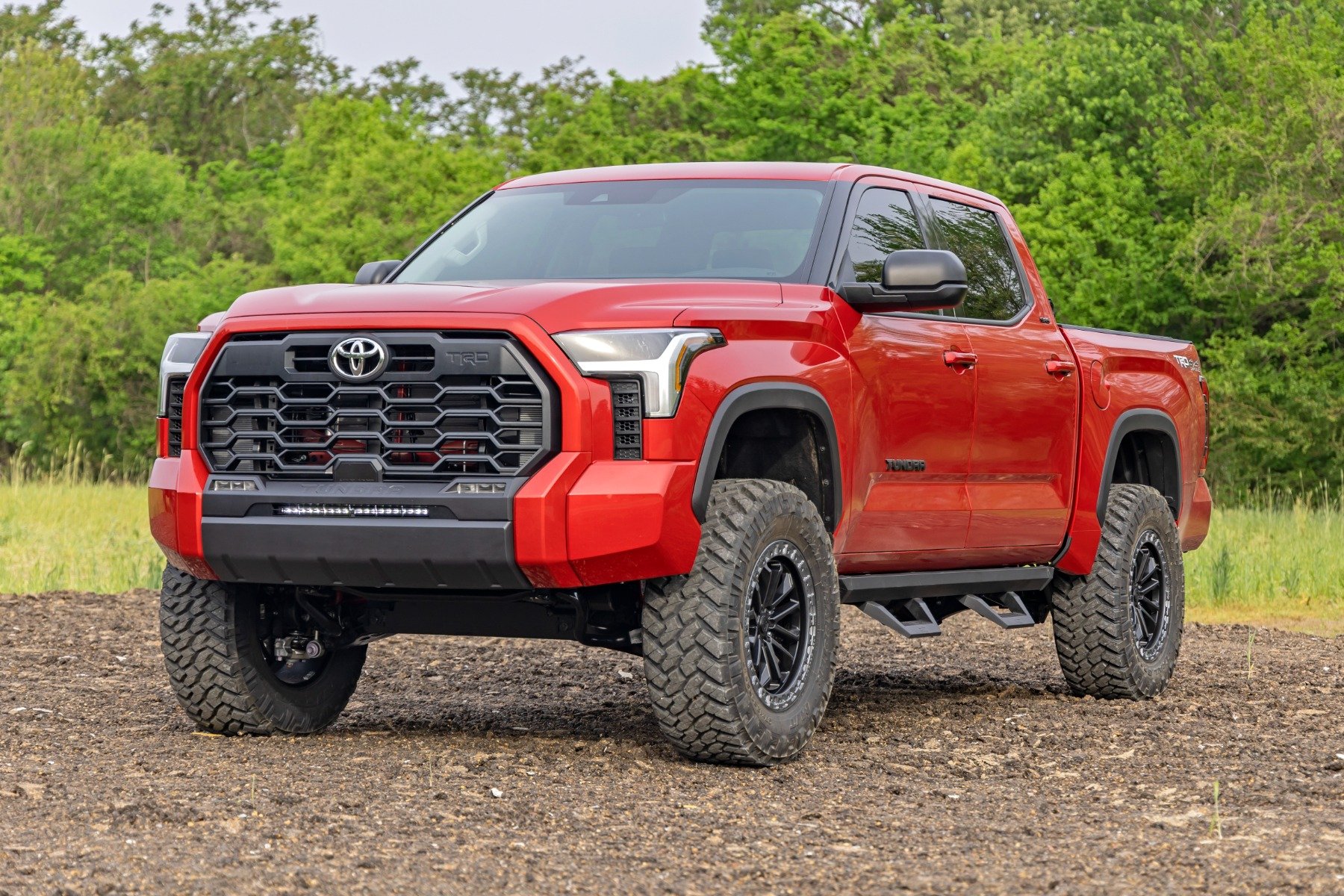
Choosing the right 6-inch lift kit for your truck or SUV can feel like navigating a minefield. There are so many brands, types, and price points, it's easy to get overwhelmed. As someone who's been working on these vehicles for years, I've seen firsthand what works, what doesn't, and where you can potentially save (or should definitely spend) your money. This article isn't about pushing a specific brand; it's about giving you the knowledge to make an informed decision based on your needs and driving style.
Understanding Your Needs: The Foundation of a Good Lift
Before even looking at kits, ask yourself some crucial questions:
- What kind of driving do you primarily do? Daily commute? Off-roading on weekends? A combination? This will significantly impact the type of kit you need.
- What size tires do you plan to run? A 6-inch lift opens up the door to larger tires, but knowing the exact size you want will help determine if the lift offers enough clearance.
- What's your budget? Lift kits range from relatively affordable to quite expensive. Be realistic about how much you're willing to spend. Don't forget to factor in installation costs (if you're not doing it yourself) and potential alignment costs.
- How important is ride quality? Some lifts prioritize off-road performance over on-road comfort. Consider the trade-offs.
Once you have clear answers to these questions, you can start narrowing down your options.
Types of 6-Inch Lift Kits: A Quick Overview
6-inch lift kits generally fall into a few broad categories:
- Spacers and Coil/Leaf Spring Lifts: These are often the most affordable option. They involve adding spacers to your existing suspension components or replacing the springs with longer ones. While budget-friendly, they can sometimes compromise ride quality and may not be ideal for heavy off-roading.
- Suspension Lift Kits: These kits replace many of the original suspension components with new, purpose-built parts. This typically includes new shocks, springs, control arms, and potentially even new steering knuckles. They offer improved performance, ride quality, and durability compared to spacer kits.
- Coilover Lift Kits: Coilover kits are a type of suspension lift that utilizes coilover shocks. These allow for ride height adjustability and offer excellent performance both on and off-road. They are generally more expensive than standard suspension lift kits but provide a significant upgrade in handling and control.
Key Components to Consider: Beyond the Lift Itself
A good 6-inch lift kit isn't just about adding height; it's about ensuring all the components work together harmoniously. Here are some key elements to pay attention to:
Shocks
The shocks are crucial for ride quality and handling. Look for kits that include high-quality shocks, preferably ones designed specifically for lifted vehicles. Options include:
- Hydraulic Shocks: A good baseline option, offering decent performance for everyday driving and light off-roading.
- Gas-Charged Shocks: Offer better damping and control compared to hydraulic shocks, improving handling and reducing body roll.
- Remote Reservoir Shocks: Ideal for more aggressive off-roading. The remote reservoir helps dissipate heat, preventing shock fade during extended use.
Control Arms
Lifting your vehicle changes the suspension geometry. Upper control arms are commonly updated in a 6 inch lift to allow for proper wheel alignment. Longer or adjustable control arms can correct the altered geometry, ensuring proper handling and tire wear.
Steering Correction
Lifting can also affect steering angles, leading to bump steer or other handling issues. Kits may include components like a dropped pitman arm or steering knuckles to correct these problems. This is crucial for maintaining safe and predictable steering.
Driveshaft Considerations
Depending on the vehicle and the severity of the lift, you might need to modify or replace the driveshaft. Lifting can increase the operating angles of the driveshaft, leading to vibrations or premature wear. Some kits include driveshaft spacers or even require a new, longer driveshaft.
Popular Brands and What They Offer
While I won't explicitly endorse one brand over another, here are a few well-regarded names in the lift kit industry, along with some general characteristics:
- Rough Country: Generally considered a budget-friendly option. Their kits are often a good starting point for those new to lifting, but keep in mind that you might sacrifice some ride quality and durability compared to higher-end brands.
- Zone Offroad: Offers a good balance of price and performance. Their kits are generally well-engineered and provide a noticeable improvement in both on-road and off-road capabilities.
- BDS Suspension: Known for their high-quality components and comprehensive kits. BDS kits are a solid choice for those who want a reliable and well-performing lift.
- Fox Shocks/King Shocks (often paired with other lift kits): While not lift kit manufacturers themselves, Fox and King are renowned for their premium shocks. Upgrading to these shocks can significantly improve the ride quality and performance of any lift kit.
Installation: DIY or Professional?
Installing a 6-inch lift kit is a significant undertaking. It's not just bolting on some parts; it involves disassembling and reassembling major suspension components. If you're not comfortable working on vehicles, or if you lack the necessary tools and experience, it's best to leave the installation to a professional.
Tools Needed (for DIY):
- Full set of metric sockets and wrenches
- Torque wrench
- Floor jack and jack stands (heavy-duty)
- Spring compressors
- Ball joint separator
- Pitman arm puller (if applicable)
- Alignment tools (or access to an alignment shop)
- Penetrating oil
- Hammer
- Safety glasses and gloves
Approximate Installation Costs (Professional):
Installation costs vary depending on the complexity of the kit and the labor rates in your area. Generally, you can expect to pay anywhere from $800 to $2000+ for professional installation. Always get multiple quotes from reputable shops before making a decision.
Potential Issues and Things to Watch Out For
Even with a well-chosen and properly installed lift kit, you might encounter a few issues:
- Vibrations: As mentioned earlier, lifting can affect driveshaft angles, leading to vibrations. This is often addressed with driveshaft spacers or a new driveshaft.
- Alignment Problems: A proper alignment is crucial after lifting. Even with adjustable components, you might need to use shims or other methods to achieve the correct alignment.
- Brake Line Length: Sometimes, the stock brake lines are not long enough after lifting. You might need to install longer brake lines to ensure safe and reliable braking.
- Sensor Issues: On newer vehicles with advanced driver-assistance systems, lifting can sometimes interfere with sensor calibration. You might need to have the sensors recalibrated after the lift.
Making the Final Decision: A Summary
Choosing the best 6-inch lift kit ultimately comes down to balancing your needs, budget, and desired level of performance. Here's a recap of the key steps:
- Assess your driving style and tire size requirements.
- Determine your budget.
- Research different types of lift kits and brands.
- Pay attention to the quality of key components like shocks, control arms, and steering correction.
- Decide whether to install the kit yourself or hire a professional.
- Factor in potential costs for alignment, driveshaft modifications, and other adjustments.
By carefully considering these factors, you can confidently choose a 6-inch lift kit that meets your needs and provides years of enjoyable driving. Don't hesitate to consult with experienced mechanics or off-road enthusiasts for further guidance. Remember to prioritize safety and quality, and enjoy the enhanced look and performance of your lifted vehicle!