
What Is The Cause Of Overheating In A Car
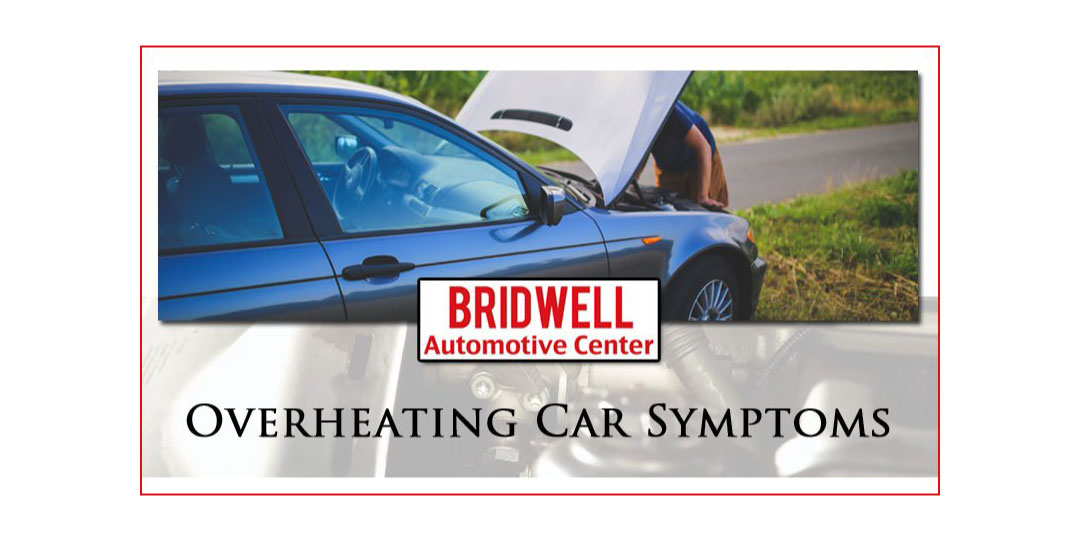
Overheating is a common and often distressing automotive issue. It signals a fundamental problem within the engine's cooling system, potentially leading to severe damage if ignored. Understanding the root causes of overheating allows for prompt diagnosis and repair, saving you from costly engine replacements. This article delves into the intricate mechanisms that prevent overheating and explores the various factors that can disrupt this critical thermal equilibrium.
The Foundation: How Cooling Systems Work
The internal combustion engine generates a tremendous amount of heat. Only a fraction of the energy released from burning fuel is converted into mechanical work; the rest is dissipated as heat. Without a robust cooling system, the engine's metal components would quickly melt, seize, or warp. The modern automotive cooling system is a carefully engineered closed-loop system designed to maintain a stable and optimal operating temperature.
At its heart lies the coolant, typically a mixture of water and antifreeze (ethylene glycol or propylene glycol). This mixture has a higher boiling point and lower freezing point than water alone, enabling it to function effectively in a wide range of climates. Coolant circulates through the engine block and cylinder head, absorbing heat from the metal components. This heated coolant then flows to the radiator, a heat exchanger located at the front of the vehicle.
The radiator consists of a network of thin tubes and fins. As the hot coolant passes through these tubes, air flowing across the fins, either naturally as the car moves or forced by the radiator fan, dissipates the heat into the atmosphere. The cooled coolant then returns to the engine to repeat the cycle. A thermostat regulates the coolant flow, ensuring the engine reaches its optimal operating temperature quickly and maintains it consistently. The water pump, driven by the engine, is responsible for circulating the coolant throughout the system. A pressure cap on the radiator or coolant reservoir maintains pressure within the system, further raising the boiling point of the coolant and preventing vapor lock.
Common Causes of Overheating
With this understanding of the cooling system's operation, we can now explore the various reasons why a car might overheat. These causes can be broadly categorized into problems with coolant circulation, heat dissipation, or combustion control.
Coolant Circulation Problems: The Lifeblood Stalls
One of the most frequent causes of overheating is a problem that prevents the coolant from circulating properly. Several factors can contribute to this:
- Low Coolant Level: This is perhaps the most obvious. A leak in the system, whether from a cracked hose, a faulty water pump seal, or a leaking radiator, can cause coolant levels to drop. Insufficient coolant means less heat can be absorbed from the engine. Check the coolant level regularly and inspect for leaks around hoses, the radiator, and the water pump.
- Faulty Thermostat: The thermostat controls the flow of coolant to the radiator. If it becomes stuck in the closed position, coolant will not flow to the radiator to be cooled, leading to a rapid temperature rise. A stuck-open thermostat, while not causing overheating directly, can prevent the engine from reaching its optimal operating temperature, which can affect fuel economy and emissions.
- Defective Water Pump: The water pump is responsible for circulating the coolant. A failing water pump, often due to a worn impeller or a broken belt, will not circulate coolant effectively, leading to overheating. Listen for unusual noises, such as whining or grinding, coming from the water pump area.
- Blocked Radiator: Internal blockages within the radiator, caused by rust, scale, or sediment buildup, can restrict coolant flow and reduce its heat exchange efficiency. External blockages, such as debris obstructing the radiator fins, can also hinder heat dissipation. Regular flushing of the cooling system can help prevent internal blockages.
- Air Lock in the Cooling System: Air trapped in the cooling system can disrupt coolant flow and create hot spots in the engine. This is especially common after a coolant system repair or flush. Proper bleeding of the cooling system, using bleed valves or following the manufacturer's instructions, is crucial to remove trapped air.
Heat Dissipation Problems: Can't Get Rid of the Heat
Even with proper coolant circulation, the engine can overheat if the cooling system cannot effectively dissipate the heat into the atmosphere. Common causes include:
- Faulty Radiator Fan: The radiator fan provides forced airflow across the radiator fins, especially when the vehicle is stationary or moving slowly. A malfunctioning fan, whether due to a blown fuse, a faulty motor, or a defective temperature sensor, can significantly reduce heat dissipation.
- Damaged Radiator Fins: Bent or damaged radiator fins reduce the surface area available for heat exchange, diminishing the radiator's cooling capacity. Careful handling and cleaning of the radiator can help prevent fin damage.
- High Ambient Temperature: On extremely hot days, the cooling system may struggle to keep up with the heat load, especially when combined with other factors, such as towing or driving uphill.
- Overloading the Vehicle: Towing heavy loads or carrying excessive weight puts extra strain on the engine, generating more heat than the cooling system is designed to handle under normal conditions.
Combustion Control Problems: Excessive Heat Generation
In some cases, overheating can be caused by factors that lead to excessive heat generation within the engine itself. These issues are often related to the air-fuel mixture and combustion process.
- Lean Air-Fuel Mixture: A lean air-fuel mixture (too much air, not enough fuel) can cause the engine to run hotter than normal. This is because the combustion process burns hotter when there is excess oxygen available. This can be caused by a faulty oxygen sensor, a vacuum leak, or a malfunctioning fuel injector.
- Ignition Timing Problems: Incorrect ignition timing can also lead to increased engine temperatures. If the spark plugs fire too early or too late, the combustion process will not be optimized, resulting in increased heat generation.
- Detonation/Knocking: Detonation, also known as engine knocking or pinging, is an uncontrolled combustion event that occurs when the air-fuel mixture spontaneously ignites in the cylinder. This creates excessive heat and pressure, which can damage the engine and lead to overheating. Using the correct octane fuel can help prevent detonation.
Other Contributing Factors
Several other factors can contribute to overheating, although they may not be the primary cause:
- Clogged Exhaust System: A restricted exhaust system can create back pressure in the engine, increasing the operating temperature.
- Worn or Cracked Cylinder Head Gasket: A blown head gasket can allow combustion gases to leak into the cooling system, pressurizing it and reducing its cooling efficiency. It can also allow coolant to leak into the cylinders, causing white smoke from the exhaust.
- Oil Issues: While primarily a lubrication system, oil also plays a role in heat dissipation. Low oil levels or degraded oil can reduce its cooling effect, contributing to overheating.
Diagnosing Overheating
Diagnosing the cause of overheating involves a systematic approach. Start by checking the coolant level and inspecting for leaks. Next, visually inspect the radiator, hoses, and water pump for any signs of damage or wear. Listen for unusual noises coming from the engine compartment. If the engine is overheating, do not continue to drive the vehicle. Pull over to a safe location and allow the engine to cool down before attempting any further diagnosis. Consider having the vehicle towed to a qualified mechanic for a professional inspection.
Using a scan tool to check for error codes can provide valuable clues about the underlying cause of the problem. A pressure test of the cooling system can help identify leaks. A compression test can reveal problems with the cylinder head gasket or other internal engine components.
Preventive Maintenance
Preventive maintenance is crucial for avoiding overheating problems. Regularly check the coolant level and top it off as needed. Flush the cooling system every few years, following the manufacturer's recommended interval. Inspect the hoses, belts, and radiator for any signs of wear or damage and replace them as necessary. Ensure the radiator is clean and free of debris. By taking these steps, you can keep your engine running cool and prevent costly repairs down the road.
Ignoring the warning signs of overheating can lead to catastrophic engine damage. Early detection and prompt repair are essential for protecting your investment and ensuring reliable vehicle operation.