
What Is The Chevy 6 Lug Bolt Pattern
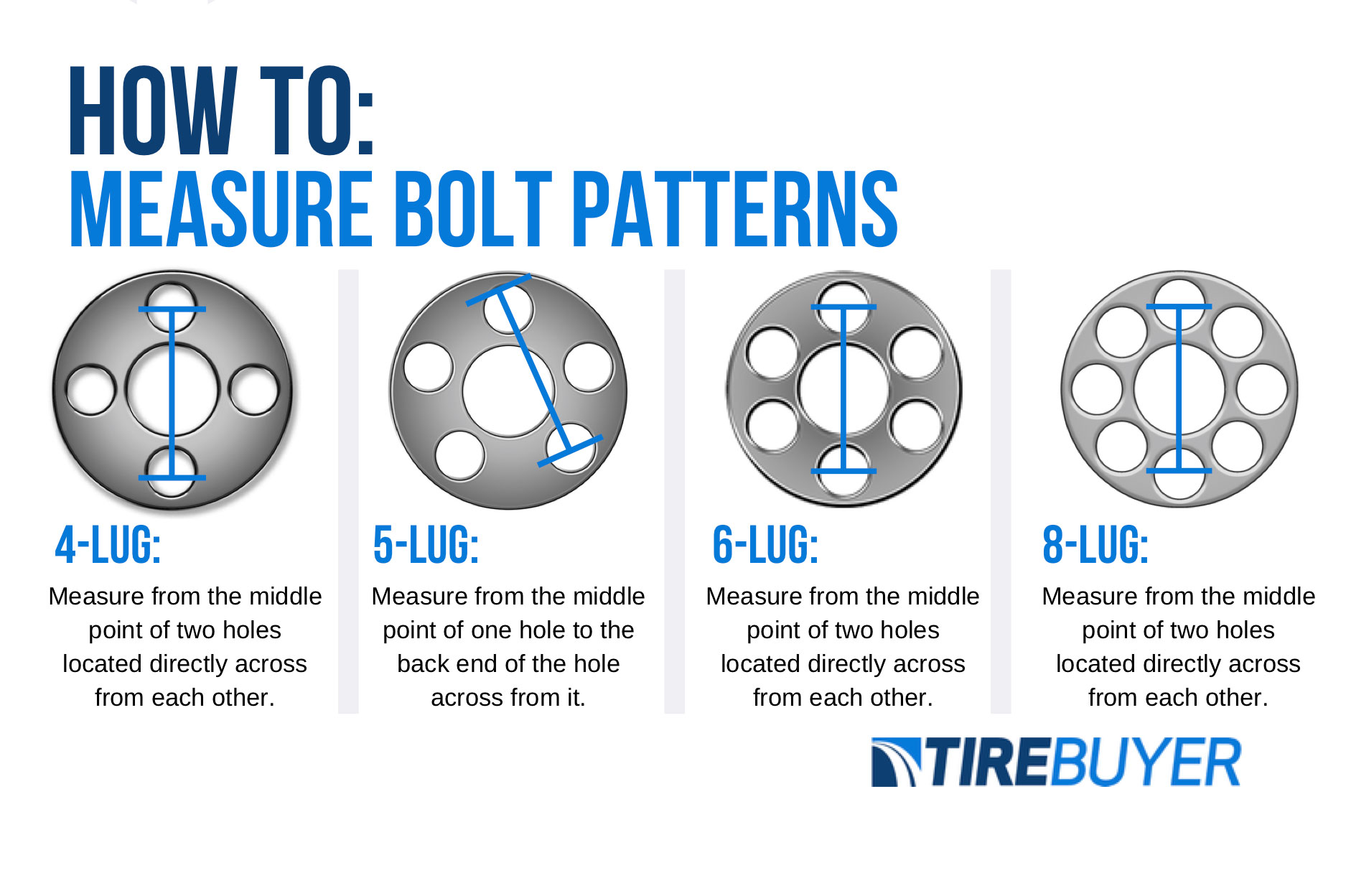
The 6-lug bolt pattern, a seemingly simple arrangement of holes on a wheel hub, is a crucial aspect of vehicle engineering that significantly impacts safety, performance, and compatibility. Particularly prevalent in Chevrolet trucks and SUVs, understanding the nuances of the 6-lug pattern is essential for anyone involved in wheel selection, maintenance, or modification. This guide delves into the specifics of the Chevy 6-lug bolt pattern, explaining its measurements, variations, applications, and the importance of getting it right.
Understanding the Basics: What is a Bolt Pattern?
At its core, a bolt pattern describes the arrangement of lug nuts used to secure a wheel to a vehicle's hub. It’s defined by two primary measurements: the number of lug holes and the bolt circle diameter (BCD). The BCD represents the diameter of an imaginary circle that passes through the center of each lug hole. This diameter is typically measured in millimeters (mm) or inches.
Therefore, a "6-lug" bolt pattern signifies that the wheel has six lug holes. To fully define the pattern, we need the BCD. For Chevy applications, there are several common 6-lug patterns, the most prevalent being 6x5.5" (also expressed as 6x139.7mm) and, less commonly, other variants. Each pattern directly affects wheel fitment and interchangeability.
The Most Common Chevy 6-Lug Pattern: 6x5.5" (6x139.7mm)
The 6x5.5" bolt pattern is the workhorse of many Chevy trucks and SUVs. It is essential to understand exactly what this designation means.
Decoding the Numbers
- 6: This number indicates the number of lug holes in the wheel.
- 5.5": This denotes the bolt circle diameter, measured in inches. In this case, it's 5.5 inches. This is the diameter of the imaginary circle that passes through the center of each of the six lug holes.
Converting to Millimeters
The 6x5.5" designation is often expressed in millimeters as 6x139.7mm. This conversion is achieved by multiplying 5.5 inches by 25.4 (the conversion factor between inches and millimeters: 1 inch = 25.4 mm). Therefore, 5.5 inches * 25.4 mm/inch = 139.7 mm.
Vehicles Using the 6x5.5" Pattern
This bolt pattern is commonly found on a wide range of Chevy trucks and SUVs, including:
- Chevrolet Silverado 1500 (pre-2019 models, excluding some special editions)
- Chevrolet Tahoe (pre-2021 models)
- Chevrolet Suburban (pre-2021 models)
- Chevrolet Avalanche
- Chevrolet Trailblazer (some models)
- GMC Sierra 1500 (pre-2019 models, excluding some special editions)
- GMC Yukon (pre-2021 models)
- GMC Yukon XL (pre-2021 models)
Important Note: This list is not exhaustive, and it's crucial to verify the bolt pattern of your specific vehicle using reliable sources like the owner's manual, a reputable wheel retailer, or a mechanic.
Other 6-Lug Bolt Patterns on Chevy Vehicles
While the 6x5.5" pattern is the most common, there are other 6-lug patterns found on some Chevy vehicles. These variations are crucial to be aware of to ensure proper wheel fitment.
6x120mm
This bolt pattern is less common than the 6x5.5" but appears on certain modern Chevy vehicles, primarily SUVs and crossovers. Identifying this requires careful measurement or referencing vehicle-specific information.
Why the Variations?
The use of different bolt patterns is often driven by several factors, including:
- Vehicle Platform: Different vehicle platforms (the underlying structural architecture) often dictate the wheel hub design and, consequently, the bolt pattern.
- Load Capacity: Heavier-duty vehicles, designed to carry larger loads, might require a different bolt pattern to enhance the wheel's load-bearing capabilities.
- Engineering Design Changes: Automakers might switch bolt patterns as part of broader engineering updates or redesigns to improve performance, handling, or aesthetics.
Measuring the 6-Lug Bolt Pattern Accurately
Accurate measurement is paramount when determining the bolt pattern. While professional tools like bolt pattern gauges are available, you can perform a reasonably accurate measurement at home with basic tools. However, professional measurement is always recommended for critical applications.
Tools Required
- Ruler or measuring tape (preferably with millimeter markings)
- Caliper (optional, but highly recommended for greater precision)
Measurement Procedure
Since the center point isn’t available for easy direct measurement, we must measure from two adjacent bolt holes.
- Select Two Adjacent Holes: Choose any two lug holes that are next to each other.
- Measure the Distance: Accurately measure the distance between the center of one lug hole to the center of the adjacent lug hole.
- Apply the Formula: For a 6-lug pattern, you'll need to apply a formula to calculate the BCD. For measuring center-to-center between two *adjacent* holes, the formula is:
BCD = Measurement / 0.5.
This works because the distance between two *adjacent* centers is approximately half the bolt circle diameter. - Verify the Measurement: Take multiple measurements and average them to minimize errors. Compare your result to known 6-lug bolt pattern sizes (e.g., 139.7 mm, 120 mm) to confirm your findings.
Important Cautions:
- Accuracy is Key: Even a slight error in measurement can lead to incorrect wheel selection. Always double-check your measurements.
- Use a Caliper: A caliper provides significantly more accurate measurements than a ruler, especially for smaller dimensions.
- Consult a Professional: When in doubt, consult a qualified mechanic or wheel specialist for professional measurement and verification.
Why is the Correct Bolt Pattern Critical?
Using the wrong bolt pattern can have severe consequences, compromising safety and potentially damaging your vehicle. The risks associated with incorrect fitment are significant.
Safety Concerns
Wheels with an incorrect bolt pattern may seem to fit initially but will not seat properly against the hub. This can lead to:
- Loose Lug Nuts: Improper seating can cause lug nuts to loosen over time, potentially leading to wheel separation while driving.
- Wheel Wobble: An off-center wheel can cause noticeable vibrations and instability, affecting handling and control.
- Stud Damage: Forcing a wheel with the wrong pattern can damage or shear off the wheel studs, resulting in catastrophic wheel failure.
Vehicle Damage
Beyond safety hazards, using the wrong bolt pattern can cause:
- Hub Damage: Improper wheel mounting can damage the wheel hub itself, requiring costly repairs.
- Brake Damage: An improperly seated wheel can interfere with brake components, potentially leading to brake failure.
Adapters and Spacers: Potential Solutions and Their Limitations
While using the correct bolt pattern is always the preferred approach, wheel adapters and spacers are sometimes used to address fitment issues. However, it's crucial to understand their limitations and potential drawbacks.
Wheel Adapters
Wheel adapters allow you to mount wheels with a different bolt pattern than your vehicle's hub. They essentially act as an interface, converting one bolt pattern to another. While they can be a viable solution in some cases, they also introduce additional complexity and potential points of failure. Using adapters can push the wheel outwards, affecting suspension geometry.
Wheel Spacers
Wheel spacers, on the other hand, do not change the bolt pattern. They simply move the wheel further outward from the hub. Spacers are often used for cosmetic purposes or to clear larger brake components. Similar to adapters, they can impact suspension geometry and increase stress on wheel bearings.
Cautions When Using Adapters or Spacers
- Quality: Always use high-quality adapters and spacers from reputable manufacturers.
- Thickness: Be mindful of the thickness of the adapter or spacer, as it can affect wheel offset and potentially cause tire rubbing or other fitment issues.
- Torque: Ensure that all lug nuts are properly torqued to the manufacturer's specifications.
- Regular Inspection: Periodically inspect adapters and spacers for any signs of wear or damage.
Note: Some jurisdictions have restrictions on the use of wheel adapters and spacers. It's essential to check your local regulations before installing them.
Conclusion
The Chevy 6-lug bolt pattern, particularly the 6x5.5" variant, is a ubiquitous feature on many of its trucks and SUVs. Understanding its nuances, measuring it accurately, and ensuring proper wheel fitment are crucial for safety and vehicle performance. While adapters and spacers can sometimes provide solutions to fitment challenges, they should be used with caution and only when necessary. Always prioritize using wheels with the correct bolt pattern for your specific vehicle to avoid potential hazards and costly repairs. Proper research and professional consultation are your best allies when dealing with wheel fitment issues.