
What Is The Gap For Lawn Mower Spark Plug
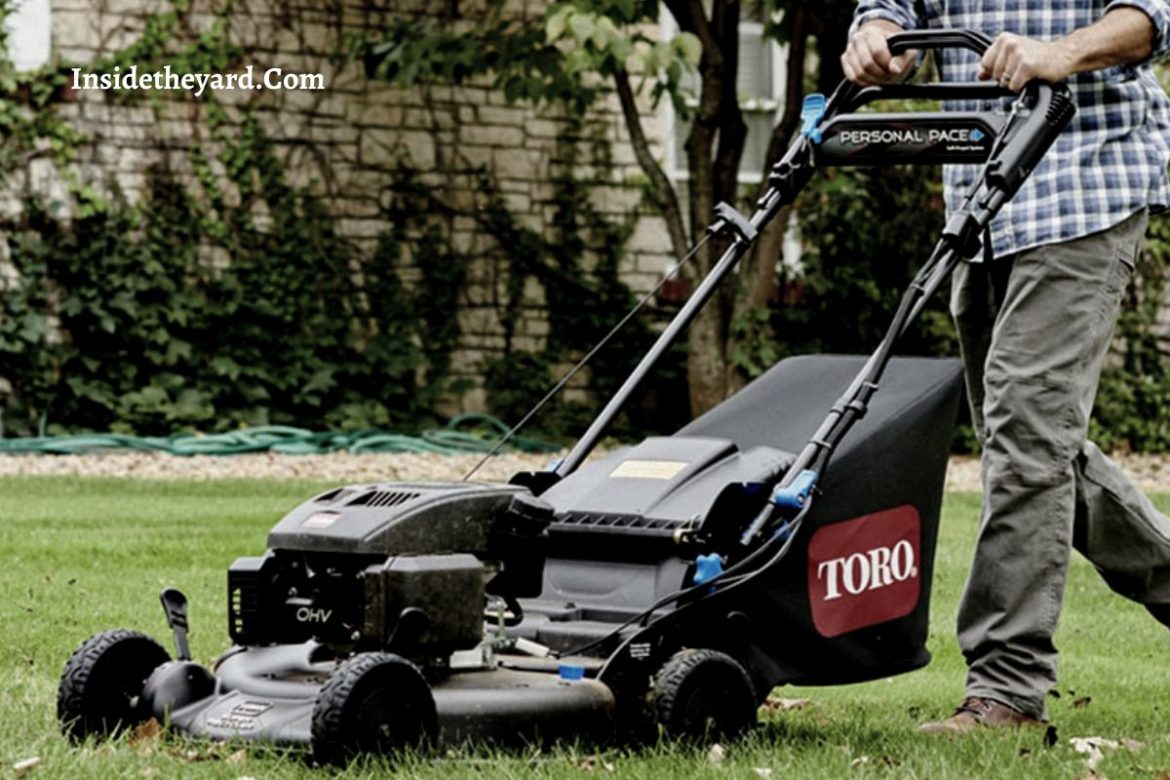
Alright, gearheads, settle in! We know your weekends are usually spent tinkering under the hood of your prized possession – maybe a classic muscle car or a finely tuned import. But let's be honest, even the most dedicated petrolhead has to tackle the lawn eventually. And just like your car, your lawn mower needs a little love to perform at its best. Today, we're diving deep into a topic that's often overlooked but crucial for a healthy, green lawn: the spark plug gap.
What is Spark Plug Gap Anyway?
Simply put, the spark plug gap is the distance between the center electrode and the ground electrode of the spark plug. This gap is where the magic happens. The ignition system sends high voltage to the spark plug, creating a spark that ignites the air-fuel mixture in the cylinder. A properly gapped spark plug ensures a strong, consistent spark, leading to optimal combustion, fuel efficiency, and engine performance.
Why Does the Gap Matter?
Think of it like this: too small a gap, and the spark will be weak and may not ignite the mixture completely, resulting in poor performance and reduced fuel economy. Too large a gap, and the voltage might not be high enough to jump the gap at all, leading to a misfire and a generally unhappy lawn mower. The right gap is the Goldilocks zone – just right!
Gap Specifications: A Tale of Two (or Three) Mowers
Unlike your car, where manufacturers meticulously specify spark plug gaps down to the thousandth of an inch, lawn mower specs can be a bit more…general. However, knowing the correct range is vital. Here's a quick comparison across different types of mowers:
| Mower Type | Engine Type | Typical Spark Plug Gap (inches) |
|---|---|---|
| Walk-Behind (Standard) | Small 4-Stroke (Briggs & Stratton, Honda) | 0.030 - 0.040 |
| Self-Propelled | Medium 4-Stroke (Briggs & Stratton, Kohler) | 0.030 - 0.040 |
| Riding Mower | Larger 4-Stroke (Briggs & Stratton, Kohler, Kawasaki) | 0.030 - 0.040 (may vary, check manual) |
| 2-Stroke Mower (Less Common) | 2-Stroke (Tecumseh, etc.) | 0.020 - 0.030 |
Important Note: Always consult your owner's manual for the exact spark plug gap specification for your specific lawn mower model. This table provides general guidelines, but variations exist. Using the wrong gap can damage your engine!
Gaping Techniques and Tools
There are a few ways to gap a spark plug. The most common is using a spark plug gapping tool, which comes in two main flavors:
- Wire Gauge Tool: This tool has a series of wires of varying thicknesses. You insert the wire between the electrodes and adjust the gap until the wire fits snugly.
- Coin-Style Tool: This tool has a tapered edge with markings indicating the gap size. You insert the edge between the electrodes and use it to bend the ground electrode.
While both work, many prefer the wire gauge tool for its precision. Regardless of the tool you choose, be gentle! You don't want to damage the electrodes.
Real-World "Driving" Impressions (Lawn Mowing Edition)
Okay, so we're not talking about quarter-mile times here, but the impact of a properly gapped spark plug is noticeable. With the correct gap, your mower will:
- Start easier
- Run smoother
- Have more consistent power
- Potentially improve fuel efficiency (yes, even on a lawn mower!)
- Reduce the risk of engine misfires
On the flip side, an incorrectly gapped plug can lead to hard starts, rough idling, surging, and even stalling. Think of it like a poorly tuned carburetor – frustrating and detrimental to performance.
Pros and Cons of Different Spark Plug Types (Briefly)
While the gap is crucial, the type of spark plug also matters. Common options include:
- Standard Copper Core: These are the most common and affordable. They offer good performance and are suitable for most lawn mowers.
- Platinum: Platinum spark plugs offer longer life and more consistent performance than copper core plugs.
- Iridium: Iridium spark plugs are the most durable and provide the best performance, but they are also the most expensive.
Copper Core Pros: Inexpensive, good performance for standard use.
Copper Core Cons: Shorter lifespan compared to platinum or iridium.
Platinum Pros: Longer lifespan, more consistent performance.
Platinum Cons: More expensive than copper core.
Iridium Pros: Longest lifespan, best performance, durable.
Iridium Cons: Most expensive.
Final Thoughts and a Bit of Controversy
So, there you have it – a deep dive into the world of lawn mower spark plug gaps. Taking the time to check and adjust the gap is a simple yet effective way to keep your mower running smoothly and your lawn looking its best. Remember to always consult your owner's manual for the correct specification and use the appropriate tools for the job. Don't underestimate the power of a properly gapped spark plug!
Now for the fun part: Some lawn care enthusiasts swear by slightly increasing the spark plug gap beyond the manufacturer's specification, claiming it results in a hotter spark and improved combustion. Others vehemently disagree, arguing that it puts undue stress on the ignition system. What do you think? Have you ever experimented with a slightly larger spark plug gap on your lawn mower? Let the debate begin!