
What Is The Normal Car Temperature Celsius
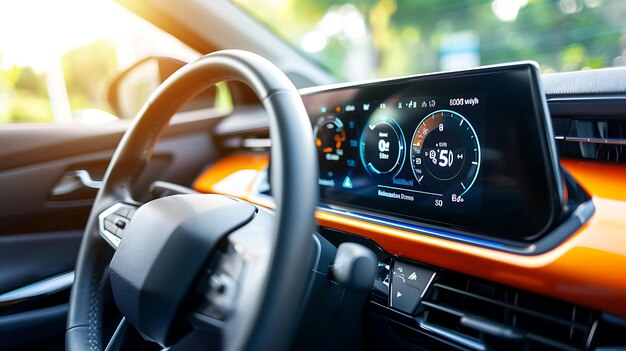
Understanding your car's operating temperature is crucial for both performance and longevity. Just like a fever signals a problem in the human body, abnormal engine temperatures can indicate serious issues that, if left unchecked, can lead to costly repairs or even engine failure. But what exactly *is* the normal car temperature Celsius, and what factors influence it?
The Ideal Operating Temperature: A Balancing Act
Generally, a normal operating temperature for most modern car engines falls within the range of 85°C to 105°C (185°F to 221°F). This isn't an arbitrary number; it's the result of careful engineering designed to optimize efficiency, emissions, and engine wear. Reaching this temperature allows the engine oil to flow properly, reducing friction between moving parts and providing optimal lubrication. It also ensures efficient combustion, minimizing unburnt fuel and harmful emissions.
It's important to note that this range is a guideline, and specific vehicles may operate slightly outside these parameters. Factors like engine type, driving conditions, and the efficiency of the cooling system all play a role. For example, a smaller displacement engine working hard in stop-and-go traffic might run slightly hotter than a larger engine cruising on the highway.
How to Monitor Engine Temperature
Most vehicles are equipped with a temperature gauge on the instrument cluster. This gauge typically displays a range from "C" (Cold) to "H" (Hot), with a needle indicating the current engine temperature. The ideal position for the needle is usually in the middle of the gauge, or slightly below it. However, some modern vehicles are moving away from traditional gauges in favor of digital displays. These often show the actual temperature reading, making it easier to monitor.
If your vehicle doesn't have a temperature gauge, or you want more precise data, you can use an OBD-II scanner. These devices plug into your car's diagnostic port and can provide real-time information on various engine parameters, including coolant temperature. Many affordable OBD-II scanners are available, and some even connect to your smartphone via Bluetooth.
Factors Affecting Engine Temperature
Several factors can influence your car's engine temperature:
- Coolant Level: The most common cause of overheating is a low coolant level. Coolant, a mixture of antifreeze and water, circulates through the engine and radiator, dissipating heat. Leaks, either internal or external, can reduce the coolant level, leading to overheating. Regularly check your coolant level and top it off as needed.
- Radiator Issues: A clogged or damaged radiator can't effectively dissipate heat. Debris, corrosion, or bent fins can restrict airflow. A professional radiator flush can help remove buildup, and a damaged radiator may require replacement.
- Thermostat Problems: The thermostat regulates the flow of coolant to the radiator. A stuck-closed thermostat prevents coolant from reaching the radiator, causing the engine to overheat. A stuck-open thermostat can prevent the engine from reaching its optimal operating temperature, reducing fuel efficiency.
- Water Pump Failure: The water pump circulates coolant throughout the engine. A failing water pump can't circulate coolant effectively, leading to overheating. Symptoms of a failing water pump include whining noises, coolant leaks, and overheating.
- Driving Conditions: Stop-and-go traffic, towing heavy loads, and driving in hot weather can all increase engine temperature.
What to Do if Your Engine Overheats
If your temperature gauge climbs into the "H" zone, or you see a warning light indicating overheating, take immediate action:
- Pull Over Safely: Find a safe place to pull over to the side of the road. Turn off the engine immediately.
- Let it Cool Down: Allow the engine to cool down completely before attempting to check the coolant level. Opening the coolant cap while the engine is hot can result in severe burns.
- Check Coolant Level (Carefully!): Once the engine is cool, carefully check the coolant level in the reservoir. If it's low, add coolant.
- Seek Professional Help: If the overheating persists, or you suspect a more serious problem, have your vehicle towed to a qualified mechanic. Continuing to drive an overheated engine can cause severe damage, such as a blown head gasket or a cracked cylinder head.
Preventive Maintenance: Keeping Your Engine Cool
Regular maintenance is key to preventing overheating and ensuring your engine runs at its optimal temperature. This includes:
- Regularly Checking Coolant Level: Inspect the coolant level at least once a month and top it off as needed.
- Coolant Flushes: Follow the manufacturer's recommended coolant flush interval. This helps remove debris and corrosion from the cooling system.
- Thermostat Replacement: Replace the thermostat as part of routine maintenance, typically every 2-3 years.
- Radiator Inspection: Regularly inspect the radiator for damage and debris. Clean the radiator fins as needed.
By understanding your car's normal operating temperature and performing regular maintenance, you can help ensure its longevity and avoid costly repairs. Remember, a healthy engine is a cool engine!