
What Is The Sparkplug Gap For 1965 Vw Bug
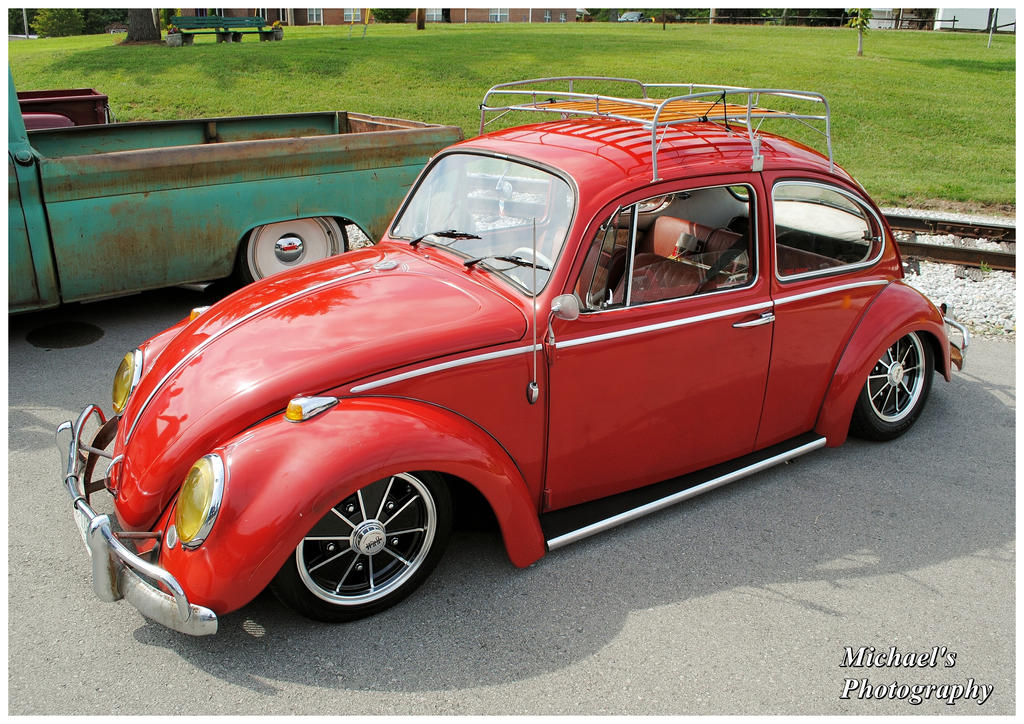
For the discerning VW Bug enthusiast, mechanic, or owner, nailing the spark plug gap is absolutely crucial for optimal engine performance. When it comes to the iconic 1965 Volkswagen Beetle, affectionately known as the Bug, the correct spark plug gap is non-negotiable. Getting it right ensures efficient combustion, smooth idling, and overall engine longevity. This article dives deep into the specific spark plug gap requirements for a 1965 VW Bug, the reasons behind its importance, and the best practices for achieving it.
Understanding Spark Plug Gap: The Foundation of Combustion
The spark plug gap refers to the distance between the center electrode and the ground electrode of the spark plug. This gap is where the electrical spark jumps across, igniting the air-fuel mixture in the combustion chamber. Think of it as the ignition's trigger point. If the gap is too small, the spark might be weak, leading to incomplete combustion and poor fuel economy. Conversely, if the gap is too large, the spark might not be strong enough to jump consistently, causing misfires and rough running.
For the 1965 VW Bug, the precise spark plug gap is 0.024 inches (0.6 mm). This specification is critical because the Bug's air-cooled engine, specifically the 1200cc (often referred to as the 40hp) engine, was designed to operate optimally with this specific gap. Deviating from this measurement can have noticeable consequences.
Why is the Correct Gap So Important for the 1965 VW Bug?
Several factors underscore the significance of adhering to the prescribed spark plug gap for your classic Bug:
- Optimal Combustion: The correct gap allows for a strong, consistent spark, ensuring that the air-fuel mixture burns completely. This leads to maximum power output and fuel efficiency.
- Smooth Idling: A properly gapped spark plug contributes to a stable and smooth idle. Incorrect gaps can lead to a rough or stalling idle, a common complaint with older engines.
- Reduced Emissions: Complete combustion translates to fewer harmful emissions. While a 1965 Bug isn't subject to the same stringent emissions standards as modern vehicles, efficient combustion still contributes to a cleaner running engine.
- Engine Longevity: Incomplete combustion can lead to carbon buildup on the spark plugs and in the combustion chamber. Over time, this can cause engine damage and reduce its lifespan. Correct spark plug gaps help prevent this.
- Preventing Misfires: Misfires occur when the spark fails to ignite the air-fuel mixture. This can result in a noticeable loss of power, rough running, and potential damage to the catalytic converter (if your Bug has been retrofitted).
Checking and Adjusting the Spark Plug Gap: A Hands-On Guide
Checking and adjusting the spark plug gap is a straightforward process that most VW Bug owners can handle themselves. Here's how:
- Gather Your Tools: You'll need a spark plug gap tool (a wire gauge or feeler gauge is ideal) and possibly a spark plug gapping tool (usually integrated into the spark plug socket).
- Remove the Spark Plugs: Carefully remove the spark plugs from the engine. Make sure the engine is cool before attempting this to avoid burns. Note the location of each plug to re-install them correctly.
- Check the Gap: Use the spark plug gap tool to measure the gap between the electrodes. Gently insert the 0.024-inch wire or feeler gauge between the electrodes. It should slide through with a slight drag.
- Adjust the Gap (If Necessary): If the gap is too small, gently tap the ground electrode on a hard surface to widen it. If the gap is too large, use the gapping tool to carefully bend the ground electrode inward. Be extremely cautious not to damage the electrode.
- Re-check the Gap: After adjusting, re-check the gap with the gauge to ensure it's correct.
- Install the Spark Plugs: Carefully reinstall the spark plugs into the engine, tightening them to the correct torque specification (typically around 22-29 Nm or 16-21 ft-lbs). Overtightening can damage the cylinder head.
Real-World Use Cases and Troubleshooting
Consider this scenario: a 1965 VW Bug owner notices that their car is idling rough and experiencing occasional misfires. After checking the spark plugs, they find that the gaps are inconsistent, ranging from 0.020 inches to 0.030 inches. By adjusting the gaps to the correct 0.024 inches, the owner resolves the idling issue and eliminates the misfires, restoring the engine's smooth performance.
Another common issue is using the wrong type of spark plug altogether. Always consult your owner's manual or a reliable VW Bug resource to ensure you're using the correct spark plug type (e.g., Bosch W8AC) along with the proper gap.
Conclusion: The Spark Plug Gap – A Small Detail, A Big Difference
In conclusion, while the spark plug gap might seem like a minor detail, it plays a critical role in the overall performance and longevity of your 1965 VW Bug's engine. By understanding the importance of the 0.024-inch gap and following the steps outlined above, you can ensure that your classic Bug runs smoothly, efficiently, and reliably for years to come. Don't overlook this seemingly small adjustment; it's a key ingredient in keeping the spirit of the original Beetle alive and well.