
What Is The Symptoms Of A Bad Fuel Filter
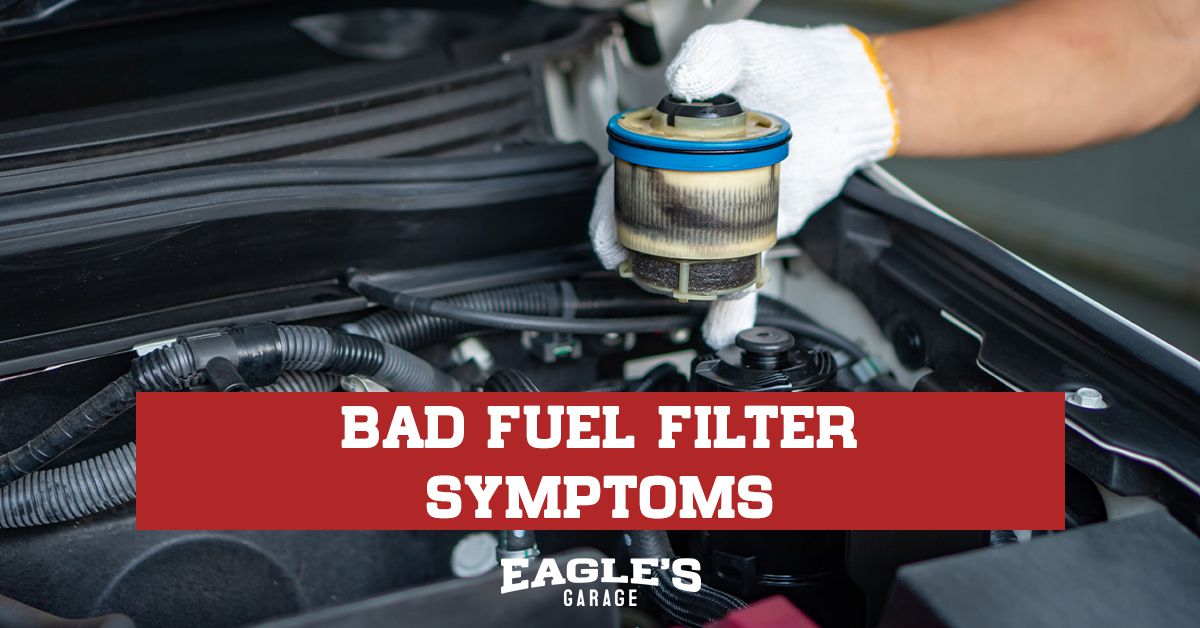
The fuel filter, often a small and unassuming component, plays a critical role in the proper functioning of an internal combustion engine. Its primary function is to remove contaminants from the fuel before it reaches the sensitive fuel injectors or carburetor. When this filter becomes clogged or otherwise compromised, a range of noticeable symptoms can manifest, impacting vehicle performance and potentially leading to more serious engine damage.
Symptoms of a Failing Fuel Filter: A Technical Deep Dive
Several key indicators suggest a failing fuel filter. Understanding these symptoms and their underlying causes is crucial for accurate diagnosis and timely repair.
1. Reduced Engine Power and Acceleration: One of the most common symptoms is a noticeable reduction in engine power, particularly during acceleration. A clogged fuel filter restricts fuel flow to the engine, resulting in a lean fuel mixture. This insufficient fuel supply hinders the combustion process, leading to a loss of horsepower and sluggish acceleration. Specifically, at higher engine speeds and under heavy load, the demand for fuel is greatest. A partially blocked filter cannot supply this demand, resulting in a "flat spot" in the acceleration curve. This can be measured using dynamometer testing, revealing a diminished torque output across the RPM range.
2. Stalling and Misfiring: Severe restrictions in fuel flow can cause the engine to stall, especially at idle or during low-speed operation. Engine misfires can also occur as individual cylinders intermittently receive insufficient fuel. This intermittent fuel starvation can be detected by the Engine Control Unit (ECU) through monitoring of crankshaft position and oxygen sensor readings, often triggering diagnostic trouble codes (DTCs) related to lean fuel mixtures or cylinder misfires. The misfiring can damage catalytic converters due to unburnt fuel entering the exhaust system.
3. Difficulty Starting: A fuel filter that's significantly clogged can make starting the engine difficult. The fuel pump struggles to draw fuel through the restriction, resulting in prolonged cranking before the engine finally ignites. In extreme cases, the engine may not start at all. This is particularly pronounced in cold weather conditions where fuel viscosity increases, further hindering flow.
4. Rough Idling: A dirty fuel filter can cause the engine to idle roughly. The erratic fuel delivery leads to uneven combustion, resulting in vibrations and fluctuations in engine RPM. The ECU attempts to compensate for these fluctuations, but the inherent limitation of the filter restricts consistent fuel supply.
5. Fuel Pump Noise: A struggling fuel pump working overtime to pull fuel through a restricted filter can generate excessive noise. This whining or buzzing sound is a clear indication of increased strain on the pump, potentially leading to premature fuel pump failure. It's important to note that fuel pump noise can also indicate other fuel system problems, such as a failing pump or a clogged fuel line. However, a fuel filter should always be the primary suspect given the relative ease and cost of replacement.
Fuel Filter Alternatives and Engineering Considerations
While the traditional in-line fuel filter remains common, alternative designs and engineering choices exist:
- In-Tank Filters: Some vehicles incorporate a pre-filter within the fuel tank, typically a coarse mesh screen. This protects the fuel pump from large debris but offers limited protection against finer particles. Pros: Simple and inexpensive. Cons: Requires dropping the fuel tank for replacement; Limited filtration capability.
- Filter-Regulator Assemblies: Some modern systems combine the fuel filter and pressure regulator into a single unit. This simplifies fuel system design and reduces the number of components. Pros: Compact design; Integrated functionality. Cons: More expensive replacement; Failure of either component necessitates replacement of the entire assembly.
Fuel filter media typically consists of paper, cellulose, or synthetic fibers. Synthetic media offers superior filtration efficiency and longer lifespan compared to paper or cellulose. The micron rating of the filter determines the size of particles it can effectively remove. Most modern vehicles utilize filters with a micron rating between 10 and 30 microns.
Reliability, Maintenance, and Future Trends
The reliability of a fuel filter depends on the quality of the filter itself, the fuel quality, and the operating environment. Regularly replacing the fuel filter according to the manufacturer's recommended service interval is crucial for maintaining optimal engine performance and preventing fuel system damage. Ignoring fuel filter replacement can lead to increased fuel consumption, reduced engine life, and costly repairs.
Maintenance Tips:
- Always use a high-quality replacement filter from a reputable manufacturer.
- Depressurize the fuel system before disconnecting fuel lines.
- Use appropriate tools to avoid damaging fuel lines and fittings.
- Dispose of used fuel filters properly.
- Consider the fuel quality being used and potentially shorten the service interval if using low-grade fuel.
Future trends in fuel filtration are focused on improved filtration efficiency, longer service intervals, and integration with onboard diagnostic systems. Smart filters that can monitor their own condition and alert the driver when replacement is needed are also under development. As engine technology advances with higher pressure fuel injection systems, the demands placed on fuel filters will increase necessitating higher quality and more robust designs.
Electrification trends may reduce reliance on these conventional fuel filters. However, until full electrification is achieved globally, understanding and addressing the symptoms of a bad fuel filter will remain essential for automotive professionals.