
What Is The Voltage Of A Good Car Battery
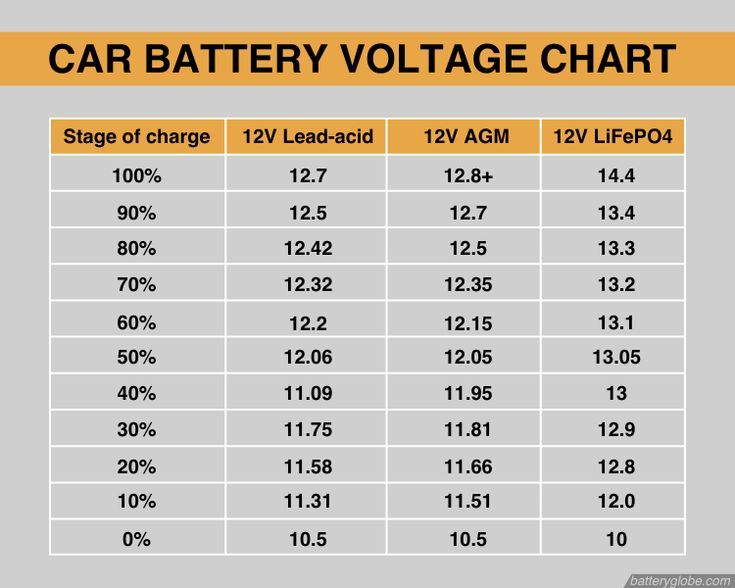
Understanding your car battery's health is crucial for reliable starting and overall electrical system performance. While many factors contribute to a battery's longevity, voltage is a key indicator. But what exactly *is* the voltage of a good car battery, and how do you interpret those readings? Let's dive in.
Nominal Voltage vs. Actual Readings
The vast majority of cars on the road today utilize a 12-volt electrical system. Therefore, a healthy car battery is nominally a 12-volt battery. However, the actual voltage you measure will fluctuate depending on the battery's state of charge and whether the engine is running. Think of "12-volt" as the battery's target operating point, not a fixed, immutable value.
Here's a breakdown of what you can expect to see under different conditions:
- Resting Voltage (Engine Off, No Load): A fully charged 12-volt battery, after sitting for several hours without any load, should read between 12.6 volts and 12.8 volts. Anything significantly lower indicates a potential problem. A reading below 12.4 volts suggests the battery is only partially charged, and below 12.0 volts signals a severely discharged battery that may not be recoverable.
- During Cranking: When starting the engine, the battery voltage will temporarily drop as it supplies a large current to the starter motor. A healthy battery should maintain at least 9.6 volts during cranking. A drop below this threshold suggests a weak battery, a poor connection, or a problem with the starter itself. This is a critical test as it simulates a real-world scenario where battery performance is paramount.
- Charging Voltage (Engine Running): With the engine running, the alternator takes over charging duties. In this state, you should see a voltage reading between 13.7 volts and 14.7 volts. This range indicates the alternator is properly charging the battery. Voltages outside this range – significantly higher or lower – could point to a faulty alternator, voltage regulator, or even a problem with the battery itself accepting charge.
Factors Affecting Battery Voltage
Several factors can influence your car battery's voltage readings:
- Temperature: Cold weather can significantly reduce a battery's capacity and voltage. A battery that reads perfectly fine in warm weather might struggle to start the car in freezing temperatures. This is because the chemical reactions inside the battery slow down in the cold.
- Load: Leaving lights on or other accessories running while the engine is off will drain the battery and lower its voltage. Even small parasitic draws can deplete a battery over time.
- Age: As batteries age, their internal resistance increases, and their ability to hold a charge diminishes, leading to lower voltage readings. The typical lifespan of a car battery is 3-5 years, but this can vary depending on usage and maintenance.
- Sulfation: Sulfation is the formation of lead sulfate crystals on the battery plates. This occurs when a battery is left discharged for extended periods. Sulfation reduces the battery's capacity and ability to accept a charge, leading to lower voltage.
- Internal Shorts: In rare cases, a battery can develop internal short circuits. This will cause a rapid discharge and a significantly lower-than-normal voltage reading.
Testing Your Car Battery
You can use a simple multimeter to check your car battery's voltage. Connect the red lead to the positive terminal and the black lead to the negative terminal. Set the multimeter to DC voltage (usually the "V" with a straight line above it). For a more comprehensive test, consider a dedicated battery load tester. These devices simulate a heavy load and measure the battery's voltage under stress, providing a more accurate assessment of its health.
Many auto parts stores offer free battery testing services. This is a convenient way to get a professional assessment without having to invest in your own testing equipment.
Interpreting the Results and Taking Action
If your battery voltage readings are consistently outside the ranges mentioned above, it's time to take action. This could involve:
- Recharging: If the battery is simply discharged, a full recharge using a battery charger might restore it to its proper voltage.
- Cleaning Terminals: Corroded battery terminals can impede current flow and lead to inaccurate voltage readings. Clean the terminals with a wire brush and a baking soda solution.
- Replacing: If the battery is old, sulfated, or showing signs of internal damage, replacement is the best option. Choosing the right replacement battery – considering its cold cranking amps (CCA) rating and group size – is crucial for optimal performance. Consult your car's owner's manual for specific recommendations.
Proper maintenance, including regular voltage checks and prompt attention to any issues, can significantly extend the life of your car battery and prevent unexpected breakdowns. Ignoring a failing battery can lead to more serious electrical problems down the road, so proactive monitoring is always a smart move.