
What Oil Does Nissan Recommend
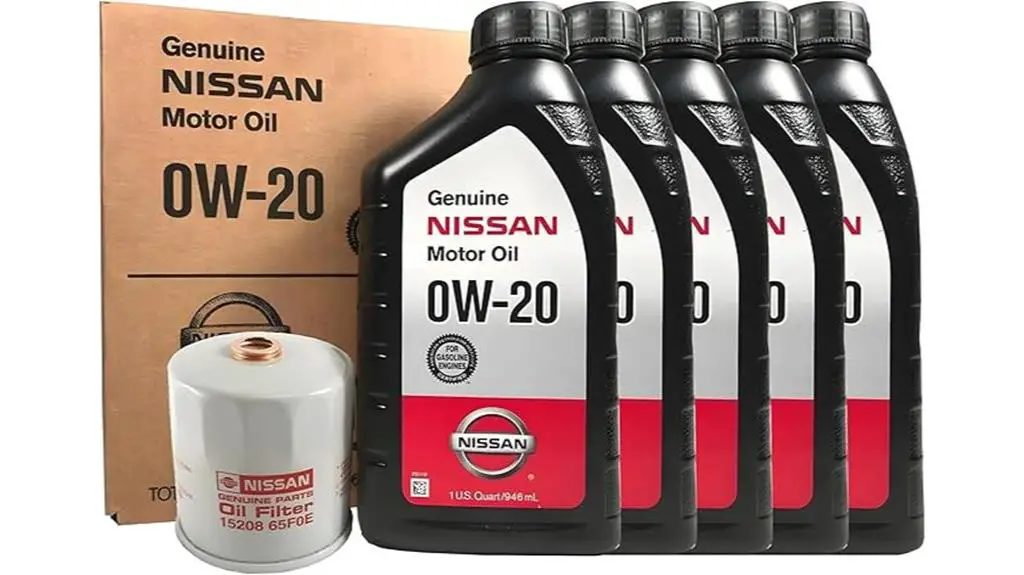
So, you're a Nissan enthusiast. You appreciate the engineering, the style, and maybe even the occasional foray into all-wheel-drive shenanigans. But have you ever stopped to ponder a question that's far more crucial than debating the merits of Z versus GTR: What oil does Nissan *really* want you to use?
Forget the marketing hype and the quick-lube recommendations. We're diving deep into the factory service manuals, tech bulletins, and real-world experiences to demystify the oil requirements across Nissan's diverse lineup. Buckle up; it's going to be a slick ride.
The Nissan Oil Bible: Deciphering the Codes
Nissan's oil recommendations aren't always as straightforward as "5W-30, go forth and conquer!" They vary based on engine, model year, and even driving conditions. Let's break down some key considerations.
Viscosity: Getting it Right
Viscosity, the oil's resistance to flow, is arguably the most crucial factor. Nissan generally specifies oils based on the SAE (Society of Automotive Engineers) grading system. You'll see numbers like 0W-20, 5W-30, and 10W-30. The "W" stands for "Winter," indicating the oil's cold-weather performance. The lower the number before the "W," the better the oil flows in cold temperatures. The second number indicates the oil's viscosity at operating temperatures.
Here's a quick table summarizing typical Nissan oil viscosity recommendations, but always consult your owner's manual for the definitive answer:
| Engine Family | Typical Viscosity | Notes |
|---|---|---|
| QR25DE (Altima, Sentra, Rogue) | 5W-30 (0W-20 for some newer models) | Check your owner's manual for specific model year recommendations. |
| VQ35DE/VQ37VHR (350Z, 370Z, Maxima, Murano) | 5W-30 | High-performance applications may benefit from slightly thicker oils. |
| VR30DDTT (Infiniti Q50, Q60) | 0W-20 | Specifically designed for fuel efficiency and turbocharger lubrication. |
| VK56VD (Titan, Armada) | 5W-30 | Heavy-duty applications may require more frequent oil changes. |
| HR16DE (Versa, Note) | 0W-20 | Fuel economy is a primary concern. |
Oil Standards: API and ILSAC
Beyond viscosity, you'll also see API (American Petroleum Institute) and ILSAC (International Lubricant Standardization and Approval Committee) ratings on oil bottles. These standards indicate the oil's quality and performance characteristics.
- API SN or SP: This indicates the oil meets the latest API standards, offering improved protection against wear, deposits, and oxidation.
- ILSAC GF-5 or GF-6: ILSAC ratings are typically paired with API ratings and focus on fuel efficiency and emission system protection.
Nissan generally recommends using oils that meet or exceed these standards. Using older standards might compromise your engine's performance and longevity.
Synthetic vs. Conventional: The Great Debate
This is where things get interesting. While Nissan's older models often specified conventional oil, modern engines increasingly benefit from synthetic oils. Here's a breakdown:
Synthetic Oil:
- Pros:
- Superior lubrication and wear protection.
- Improved cold-weather performance.
- Higher resistance to breakdown at high temperatures.
- Potential for extended oil change intervals (check your owner's manual).
- Cons:
- Higher initial cost.
Conventional Oil:
- Pros:
- Lower initial cost.
- Cons:
- Lower level of protection compared to synthetic.
- More prone to breakdown at high temperatures.
- Requires more frequent oil changes.
For engines like the VR30DDTT in the Infiniti Q50 and Q60, synthetic oil is highly recommended due to the demands placed on the oil by the turbochargers. Neglecting this could lead to premature turbo failure and a very unhappy wallet.
Real-World Driving Impressions and Oil Choices
Let's get practical. Here are some insights based on real-world driving experiences with different Nissan models:
- Nissan Altima (QR25DE): Many owners have reported success using 5W-30 synthetic oil with oil change intervals of 5,000-7,500 miles. However, newer models may specify 0W-20 for fuel economy reasons. Monitor your oil levels and condition regularly.
- Nissan 370Z (VQ37VHR): This high-revving engine benefits from a quality 5W-30 synthetic oil. Some enthusiasts even opt for slightly thicker oils like 5W-40 for track days or aggressive driving.
- Infiniti Q50/Q60 (VR30DDTT): 0W-20 synthetic is a must. Don't skimp on quality here. Regular oil changes (around 5,000 miles) are crucial for maintaining turbocharger health. Some owners even pre-emptively install aftermarket oil coolers for added protection.
- Nissan Titan (VK56VD): A robust 5W-30 synthetic oil is recommended, especially if you're towing or hauling heavy loads. Consider shortening oil change intervals if you frequently operate under demanding conditions.
Important Note: Always consult your owner's manual for the manufacturer's recommended oil change interval. While synthetic oils can potentially extend intervals, it's crucial to monitor your oil's condition and adjust accordingly.
Beyond the Basics: Oil Filters and Driving Habits
Don't forget the unsung hero of oil changes: the oil filter. Using a high-quality oil filter is just as important as using the correct oil. A cheap filter can restrict oil flow and compromise your engine's lubrication.
Also, your driving habits significantly impact your oil's lifespan. Frequent short trips, stop-and-go traffic, and aggressive driving all put extra stress on your oil. Consider shortening your oil change intervals if you regularly subject your engine to these conditions.
The Final Drop: Choose Wisely
Choosing the right oil for your Nissan is a critical decision that affects its performance, longevity, and overall reliability. By understanding the factors outlined above, you can make an informed choice and ensure your engine stays running smoothly for years to come. Remember to always consult your owner's manual and consider your specific driving conditions when selecting your oil.
Pro Tip: Keep detailed records of your oil changes, including the date, mileage, oil type, and filter used. This will not only help you stay on top of maintenance but also provide valuable documentation should you ever need to make a warranty claim.
So, there you have it – a comprehensive guide to navigating the world of Nissan oil recommendations. Now, for the fun part…
Let's spark some debate! Knowing everything you've just read, are you still sticking with the dealership's "recommended" oil change interval, or are you shortening it based on your driving style? And, for the 370Z owners out there: Are you team 5W-30 or 5W-40 for spirited driving? Let the comments begin!