
What To Do If My Check Engine Light Is On
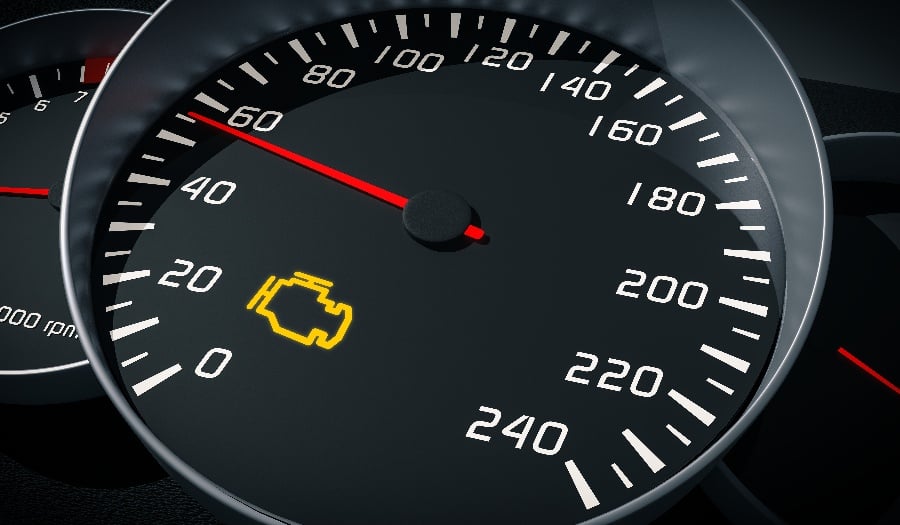
The dreaded check engine light (CEL). That little illuminated icon on your dashboard, often resembling an engine block, can trigger anything from mild anxiety to full-blown panic. While it could indicate a serious mechanical issue demanding immediate attention, it could also be something relatively minor. The key is to understand what the light means and how to approach diagnosing the problem.
Understanding the Check Engine Light: It's More Than Just a Warning
The CEL is part of your vehicle's On-Board Diagnostics (OBD) system, specifically OBD-II, which has been standardized since 1996. This sophisticated system constantly monitors various engine and emissions control components. When a parameter deviates from its pre-programmed range, the system logs a diagnostic trouble code (DTC) and illuminates the CEL. Think of it as your car sending you a message saying, "Something isn't quite right; please investigate."
There are generally two types of CEL illumination:
- Solid On: This usually indicates a problem that needs addressing, but doesn't necessarily require immediate emergency service.
- Flashing: A flashing CEL is a more serious warning. It often indicates a misfire that could damage the catalytic converter if you continue driving. Pull over to a safe location and have the vehicle towed to a mechanic.
Ignoring a CEL is generally not a good idea. Even seemingly minor problems can lead to reduced fuel economy, decreased performance, and, in the long run, more expensive repairs. Furthermore, leaving the problem unattended may violate emissions compliance regulations depending on your local laws.
Step-by-Step Diagnosis: A DIY Approach
Before rushing to the mechanic, consider these steps to gather information and potentially resolve the issue yourself. Keep in mind that some repairs require specialized tools and expertise, so know your limits. Safety first!
1. Check the Gas Cap
Believe it or not, a loose or faulty gas cap is a very common cause of a CEL. The fuel system is a sealed system, and a loose cap can cause a pressure leak that the OBD-II system detects. This triggers a DTC such as P0440, P0441, or P0442, indicating an evaporative emission control system (EVAP) leak.
Action: Remove the gas cap, inspect the rubber seal for cracks or damage, and re-tighten it until it clicks. Then, drive the car for a few days to see if the light goes off. It can take a few drive cycles (starting and stopping the engine) for the OBD-II system to re-evaluate the system and clear the code if the problem is resolved. Some vehicles require 3-4 drive cycles.
2. Read the Trouble Codes with an OBD-II Scanner
An OBD-II scanner is an invaluable tool for diagnosing CEL issues. These scanners plug into the Diagnostic Link Connector (DLC), usually located under the dashboard near the steering column. Scanners range from inexpensive handheld devices to more advanced, computer-based systems. A basic scanner will read and clear DTCs. More advanced scanners can display live data, such as engine temperature, oxygen sensor readings, and fuel trim values, which can be helpful for advanced diagnosis.
Action:
- Plug the scanner into the DLC.
- Turn the ignition key to the "on" position (without starting the engine).
- Follow the scanner's instructions to read the DTCs.
- Note down all the codes displayed.
Once you have the codes, you can use online resources (like obd-codes.com or the repair manuals) to find out what they mean. Keep in mind that a single problem can sometimes trigger multiple codes.
3. Research the Trouble Codes
Each DTC corresponds to a specific problem area in the vehicle. For example:
- P0300-P030x: Misfire detected (where x is the cylinder number).
- P0171 or P0174: System too lean (bank 1 or bank 2).
- P0420: Catalyst system efficiency below threshold (bank 1).
- P0102: Mass Air Flow (MAF) sensor circuit low input.
Action: Use online resources, repair manuals, or your scanner's built-in database to research each code. Understand the potential causes, symptoms, and possible solutions.
4. Inspect Common Culprits
Based on the DTCs, inspect the most likely causes. For example:
- Misfire (P0300): Check spark plugs, ignition coils, fuel injectors, and vacuum leaks.
- Lean Condition (P0171): Check for vacuum leaks, a faulty MAF sensor, or a clogged fuel filter.
- Catalyst Efficiency (P0420): This could indicate a failing catalytic converter, but also check for exhaust leaks or other engine problems that could be affecting its efficiency.
- MAF Sensor (P0102): Inspect the MAF sensor for contamination or damage. Try cleaning the sensor with MAF sensor cleaner (available at auto parts stores).
Action: Visually inspect the components. Look for obvious signs of damage, such as cracks, leaks, or broken wires. Use a multimeter to test sensors and other electrical components if you have the necessary skills and schematics.
5. Clear the Codes and Retest
After addressing the potential issue, clear the DTCs using the OBD-II scanner. Then, drive the car for a few days to see if the CEL comes back on. If the problem is resolved, the light should stay off. If it returns, the issue is either not fixed or there is an additional problem. Some vehicles have a self-test procedure; refer to your owner’s manual.
Action: Use the OBD-II scanner to clear the codes. Drive the car under normal conditions. If the CEL remains off after several drive cycles, the problem is likely resolved.
When to Seek Professional Help
While DIY diagnosis and repair can be rewarding, there are times when it's best to consult a professional mechanic. Consider seeking help if:
- The CEL is flashing.
- You are uncomfortable working on your car.
- You lack the necessary tools or expertise.
- You've tried the DIY steps and the CEL persists.
- The problem involves complex systems, such as the anti-lock braking system (ABS) or the airbag system.
A qualified mechanic has the knowledge, experience, and specialized equipment to diagnose and repair complex automotive problems accurately. They can also access technical service bulletins (TSBs) and recall information that may be relevant to your vehicle.
Preventative Maintenance: Keeping the CEL at Bay
Regular preventative maintenance can help minimize the chances of encountering a CEL. This includes:
- Following the manufacturer's recommended maintenance schedule.
- Changing the oil and filters regularly.
- Inspecting and replacing spark plugs as needed.
- Checking and maintaining fluid levels.
- Inspecting belts and hoses for wear and tear.
- Keeping the fuel system clean by using quality fuel and fuel additives.
By being proactive and addressing potential problems early, you can keep your car running smoothly and avoid the dreaded check engine light.
Conclusion
The check engine light doesn't have to be a source of anxiety. By understanding how the OBD-II system works, following a systematic diagnostic approach, and knowing when to seek professional help, you can effectively address CEL issues and keep your vehicle running in top condition. Remember, a little knowledge can go a long way in maintaining your car and saving you money in the long run. Always prioritize safety and consult your vehicle's repair manual for model-specific information. Happy motoring!