
What To Do If My Steering Wheel Is Locked
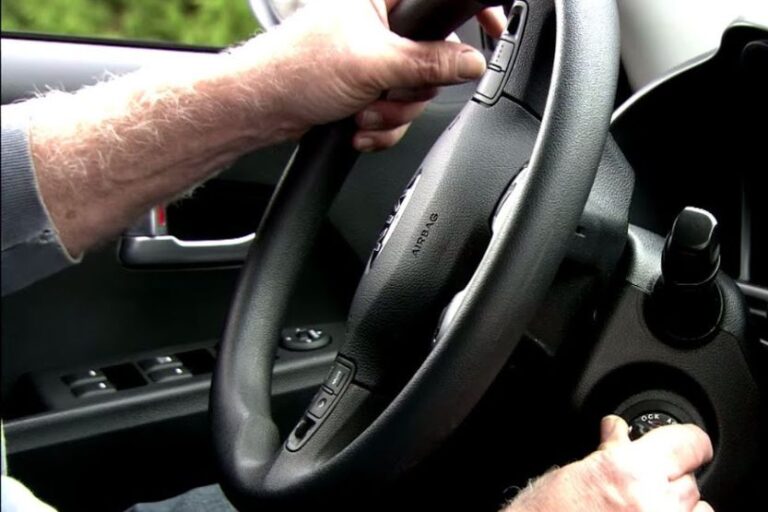
A locked steering wheel can be a frightening experience, whether it happens while you're parked or, in an incredibly rare and dangerous scenario, while driving. Fortunately, a locked steering wheel is usually a simple safety feature and not a sign of a major mechanical failure. This article will guide you through troubleshooting, fixing, and preventing this common issue, covering both practical tips for car owners and relevant information for mechanics.
Understanding Why Your Steering Wheel Locks
The primary reason your steering wheel locks is as a theft deterrent. When the key is removed from the ignition, a pin engages in the steering column, preventing the wheel from turning. This makes it difficult for someone to steal your car by simply breaking the ignition. The system is usually activated by turning the wheel slightly after the ignition is off.
Common Symptoms and Their Causes
- Symptom: Steering wheel completely immobile, ignition key difficult or impossible to turn.
- Cause: This is the classic locked steering wheel scenario, usually triggered by inadvertently turning the steering wheel after removing the key.
- Fix: The most common solution is to gently wiggle the steering wheel back and forth while simultaneously turning the ignition key. Apply steady, but not excessive, force to the key. Avoid forcing the key, as this can damage the ignition cylinder.
- Example: This is a frequent occurrence in models like the Honda Civic and Toyota Corolla, especially in older models.
- Symptom: Steering wheel feels stiff, difficult to turn but not entirely locked, accompanied by a clicking or grinding noise.
- Cause: This could be a slightly engaged locking mechanism, or it could indicate a problem with the power steering system (if applicable). Low power steering fluid is a common culprit.
- Fix: Try the wiggle-and-key technique. If you have power steering, check the fluid level and top it off if needed. If the problem persists after adding fluid, further investigation into the power steering pump or rack and pinion is required.
- Example: This is often seen in Ford F-150 trucks and Chevy Silverados, particularly if there's a leak in the power steering system.
- Symptom: Steering wheel locks intermittently, sometimes freeing up on its own.
- Cause: This could be a sign of a worn ignition cylinder or a faulty locking mechanism. It might also indicate a deeper problem with the car's immobilizer system (if equipped).
- Fix: Try lubricating the ignition cylinder with a graphite-based lubricant. If that doesn't resolve the issue, a mechanic should inspect the ignition cylinder and the locking mechanism. Cars with immobilizers (many modern vehicles) might require diagnostic tools to identify and address immobilizer-related faults.
- Example: This type of intermittent issue can sometimes be found in Volkswagen Jettas and Passats, often related to the car's immobilizer system.
Troubleshooting and Solutions: A Step-by-Step Guide
- The Wiggle Technique: This is the first and often only step needed. Gently but firmly wiggle the steering wheel left and right while simultaneously trying to turn the ignition key. Apply consistent pressure to the key, but avoid forcing it.
- Check Power Steering Fluid: If your car has power steering and the wheel is stiff, check the fluid reservoir. Top it off if it's low. If the fluid is constantly low, look for leaks.
- Lubricate the Ignition Cylinder: Use a graphite-based lubricant specifically designed for locks. Avoid using oil-based lubricants, as they can attract dirt and grime, potentially worsening the problem.
- Inspect the Steering Column: Visually inspect the steering column for any signs of damage or obstruction. Check for loose wires or anything that might be interfering with the locking mechanism. Note: If you're not comfortable working on your car, this step is best left to a professional mechanic.
- Consult a Mechanic: If none of the above steps work, it's time to consult a qualified mechanic. They can diagnose the problem more accurately and perform any necessary repairs. This is especially crucial if you suspect a problem with the immobilizer system.
Real-World Issues and Advanced Diagnostics (For Mechanics)
For mechanics, diagnosing a locked steering wheel involves a deeper understanding of the vehicle's systems. Here are some considerations:
- Immobilizer System: Modern vehicles often have immobilizer systems that prevent the car from starting unless the correct key is present. A faulty immobilizer can sometimes manifest as a locked steering wheel. Diagnostic tools are essential for reading fault codes and troubleshooting these systems.
- Steering Angle Sensor (SAS): The SAS is a crucial component in vehicles with electronic stability control (ESC) and other advanced driver-assistance systems (ADAS). A faulty SAS can sometimes cause steering-related issues, although it's less likely to directly cause a locked steering wheel. However, always check for SAS-related fault codes when diagnosing steering problems.
- CAN Bus Communication: Issues with the car's CAN (Controller Area Network) bus can sometimes disrupt communication between different modules, potentially affecting the steering system. Use a scan tool to check for CAN bus errors.
- Mechanical Wear: Over time, the locking mechanism in the steering column can wear down, leading to intermittent locking or difficulty unlocking. Inspect the mechanism for signs of wear or damage.
When diagnosing steering issues, always refer to the vehicle's service manual for specific procedures and torque specifications. Proper diagnosis is key to avoiding unnecessary repairs.
Preventative Maintenance for a Healthy Steering System
Here are some tips for keeping your steering system in top condition:
- Regular Power Steering Fluid Checks: Check your power steering fluid level regularly and top it off as needed. Follow the manufacturer's recommendations for fluid type.
- Address Leaks Promptly: If you notice any leaks in the power steering system, have them repaired immediately to prevent further damage.
- Avoid "Locking" the Steering Wheel: While the locking mechanism is a safety feature, avoid turning the wheel forcefully after removing the key. This can put unnecessary stress on the system.
- Schedule Regular Inspections: Have your steering system inspected regularly by a qualified mechanic. This can help identify potential problems before they become serious.
By understanding the causes of a locked steering wheel and following these preventative maintenance tips, car owners and mechanics can work together to keep vehicles running smoothly and safely.