
What To Do If My Transmission Is Slipping
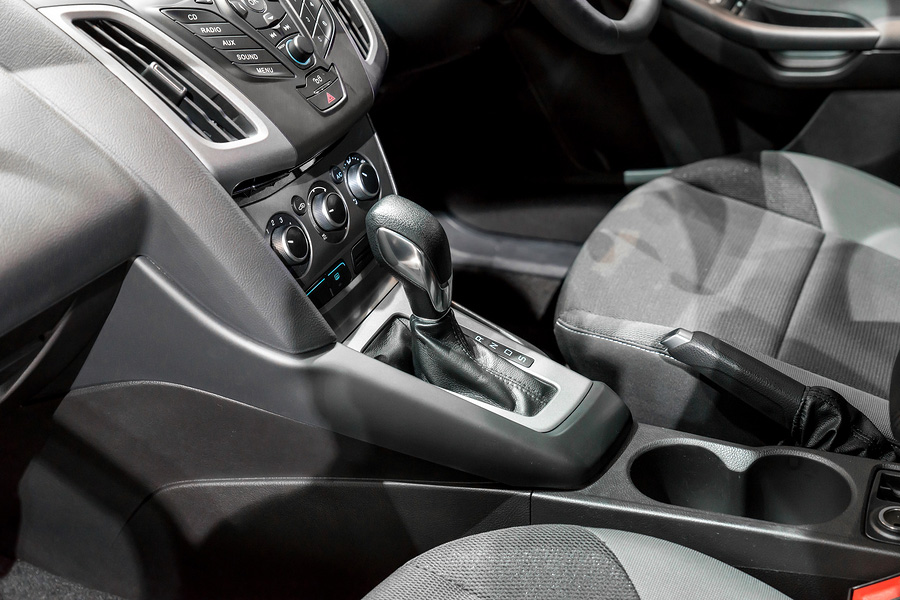
Transmission slippage is one of those automotive ailments that sends shivers down the spine of any car enthusiast. It's the automotive equivalent of a bad hair day, but with potentially far more expensive consequences. If your transmission is slipping, it means the engine's power isn't being properly transferred to the wheels, resulting in a loss of acceleration, erratic shifting, and a general feeling that something is seriously wrong. Understanding what's happening and knowing the appropriate steps to take is crucial to preventing further damage and keeping your vehicle on the road.
Identifying Transmission Slippage
Before diving into solutions, let's pinpoint the symptoms of transmission slippage. Key indicators include:
- Delayed Acceleration: Pressing the accelerator results in a revving engine but little to no forward motion. This is often the most noticeable symptom.
- Erratic Shifting: The transmission hesitates, skips gears, or shifts at unexpected RPMs. This can feel like a jerky, uneven ride.
- High RPMs with Low Speed: The engine revs excessively high for the vehicle's speed, indicating the transmission isn't properly engaging the gears.
- Burning Smell: A burning odor, often described as acrid, can signify overheating and friction within the transmission.
- Check Engine Light: While not always specific to transmission issues, a lit Check Engine Light coupled with other symptoms warrants immediate investigation. Use an OBD-II scanner to retrieve diagnostic trouble codes (DTCs). Common codes related to slippage include P0730, P0731, P0732, P0733, and P0734, which indicate incorrect gear ratios.
Immediate Actions When Slippage Occurs
If you suspect your transmission is slipping, take these steps:
- Reduce Speed: Avoid aggressive acceleration and maintain a steady, moderate speed.
- Avoid High Gear Ratios: If driving a manual, try to stay in lower gears to minimize stress on the transmission. If driving an automatic, consider shifting manually (if your vehicle allows) and selecting a lower gear.
- Pull Over Safely: If the slippage is severe, or if you detect a burning smell, pull over to a safe location and call for assistance. Continuing to drive with a severely slipping transmission can cause catastrophic damage.
Potential Causes and Solutions
Transmission slippage can stem from several issues, ranging from simple fixes to major repairs:
- Low Transmission Fluid: This is often the first and easiest problem to address. Low fluid levels can lead to insufficient lubrication and hydraulic pressure, causing the clutches and bands within the transmission to slip. Solution: Check the transmission fluid level (refer to your owner's manual for the correct procedure). If low, add the correct type of transmission fluid. Common types include Dexron VI, Mercon V, and ATF+4, depending on the vehicle's make and model. Use the fluid specified in the manual.
- Dirty or Degraded Transmission Fluid: Over time, transmission fluid degrades, loses its lubricating properties, and becomes contaminated with debris. This can lead to reduced performance and slippage. Solution: A transmission fluid flush and filter replacement can often resolve this issue. Follow the manufacturer's recommended service interval. This is typically between 30,000 and 60,000 miles, but can vary depending on driving conditions.
- Worn Clutches or Bands: Internal components like clutches and bands wear down over time, reducing their ability to grip and transfer power. Solution: This typically requires a transmission rebuild or replacement. A rebuild involves disassembling the transmission, inspecting and replacing worn parts, and reassembling it. A replacement involves installing a new or remanufactured transmission.
- Valve Body Issues: The valve body controls the flow of transmission fluid to various parts of the transmission. Malfunctioning valves can disrupt the proper hydraulic pressure, leading to slippage. Solution: The valve body can sometimes be repaired or replaced separately, but this often requires specialized knowledge and tools.
- Torque Converter Problems: The torque converter acts as a fluid coupling between the engine and transmission. A failing torque converter can cause slippage-like symptoms. Solution: Torque converter replacement is usually necessary.
Preventative Maintenance: The Best Defense
The best way to avoid transmission slippage is through preventative maintenance. Here are some tips:
- Regular Fluid Changes: Adhere to the manufacturer's recommended transmission fluid change intervals.
- Monitor Fluid Levels: Periodically check the transmission fluid level and condition.
- Avoid Aggressive Driving: Excessive acceleration, hard braking, and towing beyond the vehicle's capacity can put undue stress on the transmission.
- Address Issues Promptly: Don't ignore warning signs. Early detection and repair can prevent minor problems from escalating into major failures.
When to Consult a Professional
While some issues like low fluid can be addressed DIY, transmission repairs are generally best left to qualified mechanics. A mechanic can accurately diagnose the problem, perform necessary repairs, and ensure the transmission is functioning properly. Ignoring the issue or attempting complex repairs without the proper knowledge can lead to further damage and more costly repairs down the road. The average cost for a transmission rebuild can range from $2,500 to $5,000, while a replacement can cost even more, depending on the vehicle and the extent of the damage. Consulting a professional early on can potentially save you significant money and headaches in the long run.