
When Bleeding Brakes Should The Car Be On
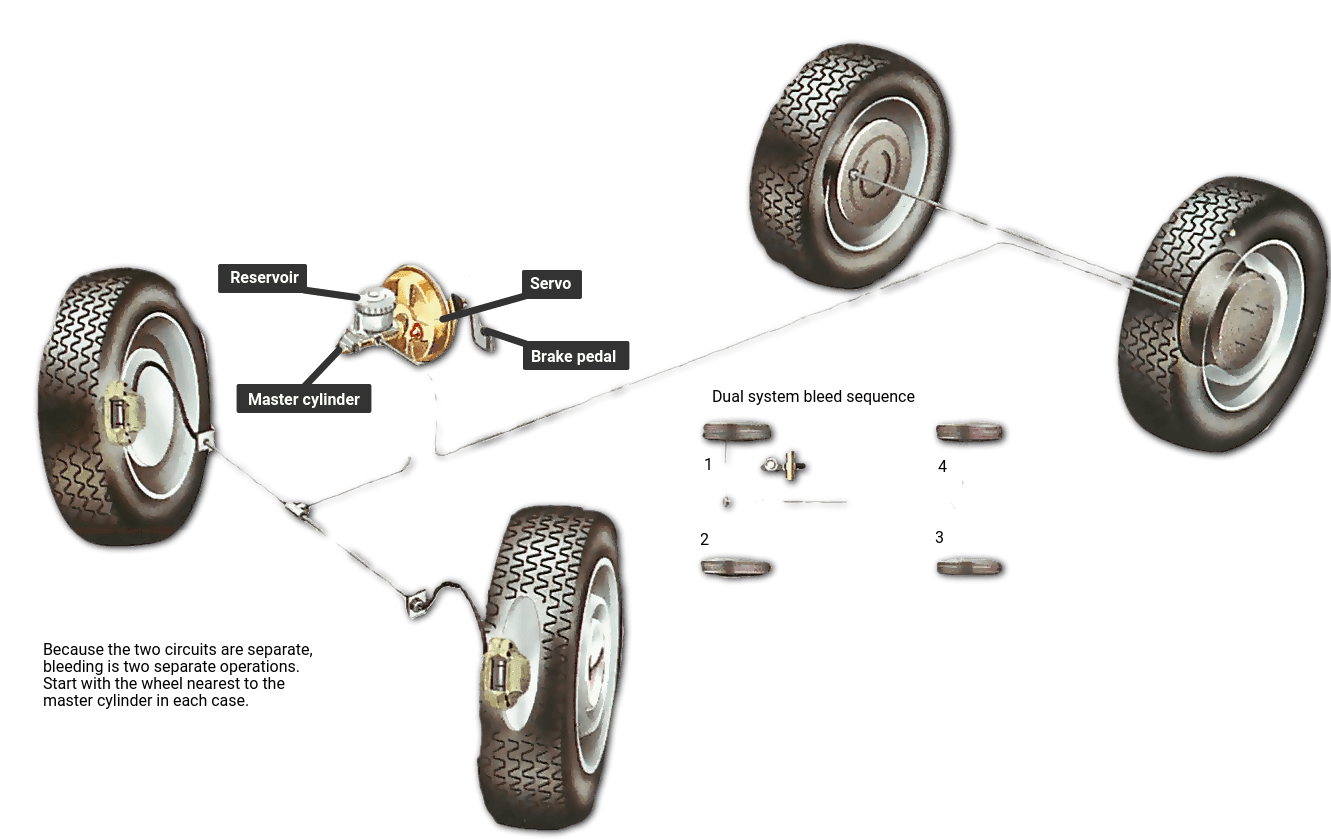
The question of whether a car should be running during brake bleeding is a topic that sparks debate among even seasoned mechanics. The short answer is: generally no, the car should not be running during the standard brake bleeding procedure. However, like most things in automotive repair, there are nuances and exceptions to consider, especially when dealing with vehicles equipped with advanced braking systems.
The Standard Bleeding Procedure: Engine Off
The conventional method of brake bleeding, whether you're using the two-person method, a vacuum bleeder, or a pressure bleeder, is designed to be performed with the engine off. The fundamental principle revolves around manually forcing brake fluid through the system to expel trapped air. Here’s why the engine should be off:
- Safety: With the engine off, there's no risk of the car moving unexpectedly, either from accidental throttle input or a vacuum leak causing the engine to surge. This is paramount when working around wheels and brake components.
- Hydraulic System Simplicity: In most vehicles, the brake system operates as a relatively simple hydraulic circuit when the engine is off. You're directly influencing the fluid pressure through the master cylinder. Introducing engine operation complicates the system's behavior.
- Master Cylinder Protection: Activating the brake booster (which relies on engine vacuum) repeatedly during bleeding with the engine running can potentially overwork the master cylinder. While modern master cylinders are robust, unnecessary strain is best avoided.
Vehicles with Electronic Brake Control Systems (EBCS)
The landscape changes considerably with vehicles equipped with advanced Electronic Brake Control Systems (EBCS), often incorporating features like Anti-lock Braking System (ABS), Electronic Stability Program (ESP), and Traction Control System (TCS). These systems use sophisticated electronic modules and hydraulic pumps to modulate braking force at individual wheels.
In some instances, air can become trapped within the ABS module itself, rendering traditional bleeding methods ineffective. Bleeding the brake lines in the standard manner may not be sufficient to remove air from the complex internal passages of the ABS unit. When this occurs, special procedures are often required, which may involve:
- Scan Tool Activation: Many modern scan tools possess the capability to activate the ABS pump and cycle the internal valves. This forced cycling helps dislodge trapped air and allows it to be flushed out during bleeding. In these cases, the ignition must be ON (but the engine typically remains OFF) to power the ABS module and allow the scan tool to communicate with it. Specific instructions will vary depending on the vehicle make and model, and the scan tool being used.
- OEM Procedures: Some manufacturers have very specific bleeding procedures outlined in their service manuals that might call for the engine to be running under certain circumstances. This is usually related to specific diagnostic routines or ABS module initialization procedures. Always consult the Original Equipment Manufacturer (OEM) service manual for your specific vehicle.
Power Bleeding Considerations
Pressure bleeders, which use compressed air to force fluid through the system, are generally used with the engine off. Vacuum bleeders, which draw fluid from the calipers, also function independently of the engine's operation. The key consideration here is maintaining the correct fluid level in the master cylinder reservoir to prevent air from being drawn in during the bleeding process.
When Might the Engine Need to be On?
While rare during bleeding, there might be specific diagnostic scenarios where having the engine running is necessary. For example, if you suspect a vacuum leak in the brake booster affecting braking performance, you might need to observe brake pedal feel with the engine running to assess the booster's functionality. However, this is a diagnostic procedure, not a standard bleeding operation.
Conclusion
For the vast majority of brake bleeding procedures, the engine should be OFF. The standard bleeding methods are designed to work effectively without engine operation. However, vehicles equipped with advanced EBCS systems, particularly those with air trapped in the ABS module, may require specific procedures involving scan tool activation and, in very rare cases, manufacturer-specific diagnostic routines with the engine running. Always consult your vehicle's service manual and proceed with caution when working on braking systems. Incorrect procedures can compromise braking performance and create a safety hazard. When in doubt, seek the assistance of a qualified and experienced mechanic.