
When Did They Stop Selling Leaded Gasoline
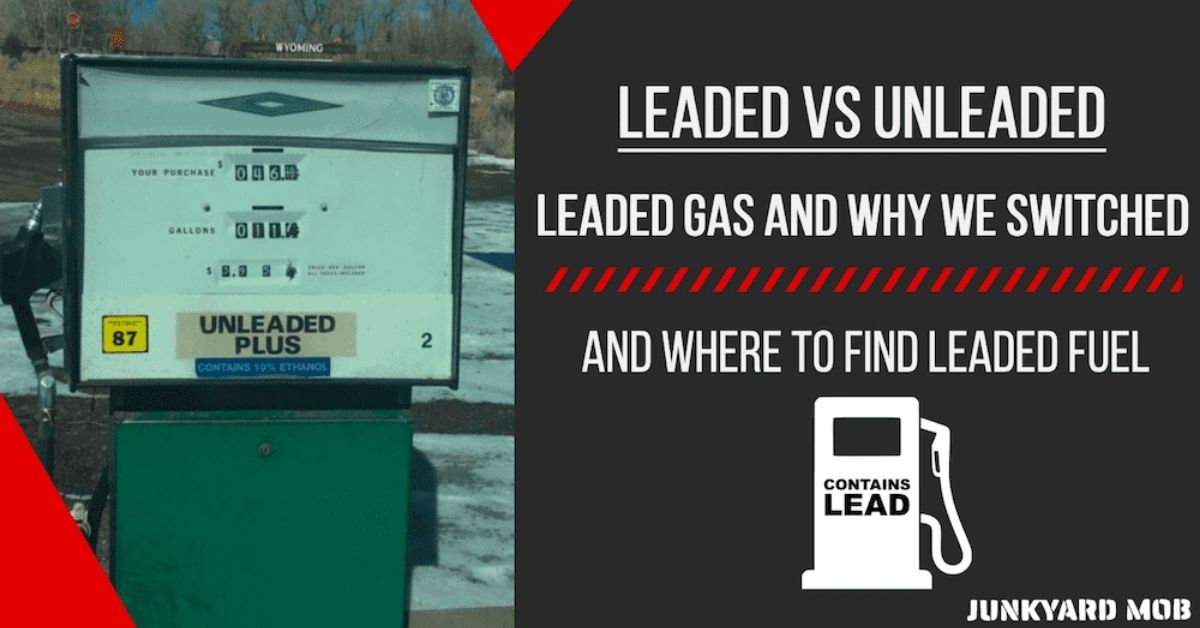
For decades, leaded gasoline was the standard fuel powering vehicles across the globe. However, mounting evidence of its detrimental effects on human health and the environment led to a gradual phase-out. Understanding when leaded gasoline was finally discontinued provides valuable insight into public health history and the ongoing efforts to mitigate its legacy.
The Rise and Fall of Leaded Gasoline
The story of leaded gasoline begins in the 1920s. Scientists discovered that adding tetraethyl lead (TEL) to gasoline significantly reduced engine knocking, a common problem in early automobiles. This discovery revolutionized the automotive industry, leading to higher compression engines and improved vehicle performance. Leaded gasoline quickly became the dominant fuel type.
However, the benefits came at a significant cost. Lead is a potent neurotoxin, and the combustion of leaded gasoline released it into the atmosphere, contaminating the air, soil, and water. Exposure to lead, even at low levels, is particularly harmful to children, causing developmental problems, learning disabilities, and behavioral issues. Adults are also at risk, facing increased chances of cardiovascular disease, kidney damage, and neurological disorders.
Despite early warnings about the dangers of lead, the widespread use of leaded gasoline continued for decades, driven by economic interests and a lack of readily available alternatives. It wasn't until the latter half of the 20th century that the scientific evidence became undeniable, and public awareness grew, prompting governments and regulatory bodies to take action.
The Phasedown Begins: A Global Effort
The journey to eliminate leaded gasoline was a gradual process, involving a combination of regulatory mandates, technological innovations, and international cooperation. The United States was among the first countries to initiate a phase-out, driven by the Clean Air Act of 1970. This landmark legislation set the stage for reducing lead emissions from various sources, including gasoline.
The US Environmental Protection Agency (EPA) began to implement regulations requiring automakers to produce vehicles that could run on unleaded gasoline. Simultaneously, refineries were mandated to reduce the lead content in gasoline. This dual approach encouraged both the demand for unleaded fuel and its increasing availability. The introduction of catalytic converters, which required unleaded gasoline to function properly, further accelerated the transition.
When did they stop selling leaded gasoline in the US?
While the reduction began much earlier, the sale of leaded gasoline for on-road vehicles was officially banned in the United States on January 1, 1996. This marked a significant milestone in the fight against lead pollution, contributing to a dramatic decline in blood lead levels in the American population.
However, the US ban didn't mean the immediate end of leaded gasoline use everywhere. Some exceptions were made for specific applications, such as aviation fuel (avgas) used in piston-engine aircraft and for off-road vehicles like racing cars. The transition to unleaded avgas remains a challenge, but research and development efforts are underway to find safe and effective alternatives.
Global Elimination and Lingering Challenges
Following the lead of the United States and other developed nations, many countries around the world began to phase out leaded gasoline. The process varied depending on local circumstances, economic factors, and the availability of unleaded alternatives. The United Nations Environment Programme (UNEP) played a crucial role in coordinating global efforts and providing technical assistance to developing countries.
The Partnership for Clean Fuels and Vehicles, a UNEP-led initiative, worked tirelessly to promote the elimination of leaded gasoline worldwide. Through advocacy, technical support, and financial assistance, the partnership helped countries implement regulations, upgrade refineries, and raise public awareness about the dangers of lead. By the early 2000s, significant progress had been made, with many countries having already banned or severely restricted the use of leaded gasoline.
The Final Victory: When did they *completely* stop selling leaded gasoline worldwide?
After decades of concerted effort, a monumental achievement was reached. On August 30, 2021, Algeria officially stopped selling leaded gasoline, marking the *complete* global elimination of leaded gasoline for transportation. This historic milestone represents a significant victory for public health and the environment, preventing countless cases of lead poisoning and mitigating the long-term effects of lead contamination.
The Legacy of Leaded Gasoline: Ongoing Efforts
While the global ban on leaded gasoline is a cause for celebration, the legacy of lead contamination continues to pose challenges. Decades of leaded gasoline use have left a lasting impact on the environment, with lead accumulating in soils, sediments, and water sources. Remediating these contaminated sites is a complex and costly undertaking.
Furthermore, lead can persist in older infrastructure, such as lead water pipes and lead-based paint in homes. These sources of lead exposure continue to pose risks, particularly to children. Public health initiatives are essential to identify and address these remaining sources of lead contamination, ensuring that vulnerable populations are protected.
Monitoring blood lead levels in populations, especially children, remains crucial to track the effectiveness of lead reduction efforts and identify areas where interventions are needed. Education and awareness campaigns can empower communities to take steps to minimize their exposure to lead and advocate for policies that protect public health.
The global elimination of leaded gasoline is a testament to the power of scientific evidence, international cooperation, and sustained advocacy. However, the fight against lead poisoning is far from over. By addressing the legacy of lead contamination and continuing to implement effective prevention strategies, we can create a healthier and safer future for all.
The journey to eliminate leaded gasoline serves as a valuable lesson in the importance of addressing environmental hazards and prioritizing public health. It also highlights the need for ongoing vigilance and proactive measures to prevent future environmental threats.