
When Do I Need To Change Transmission Fluid
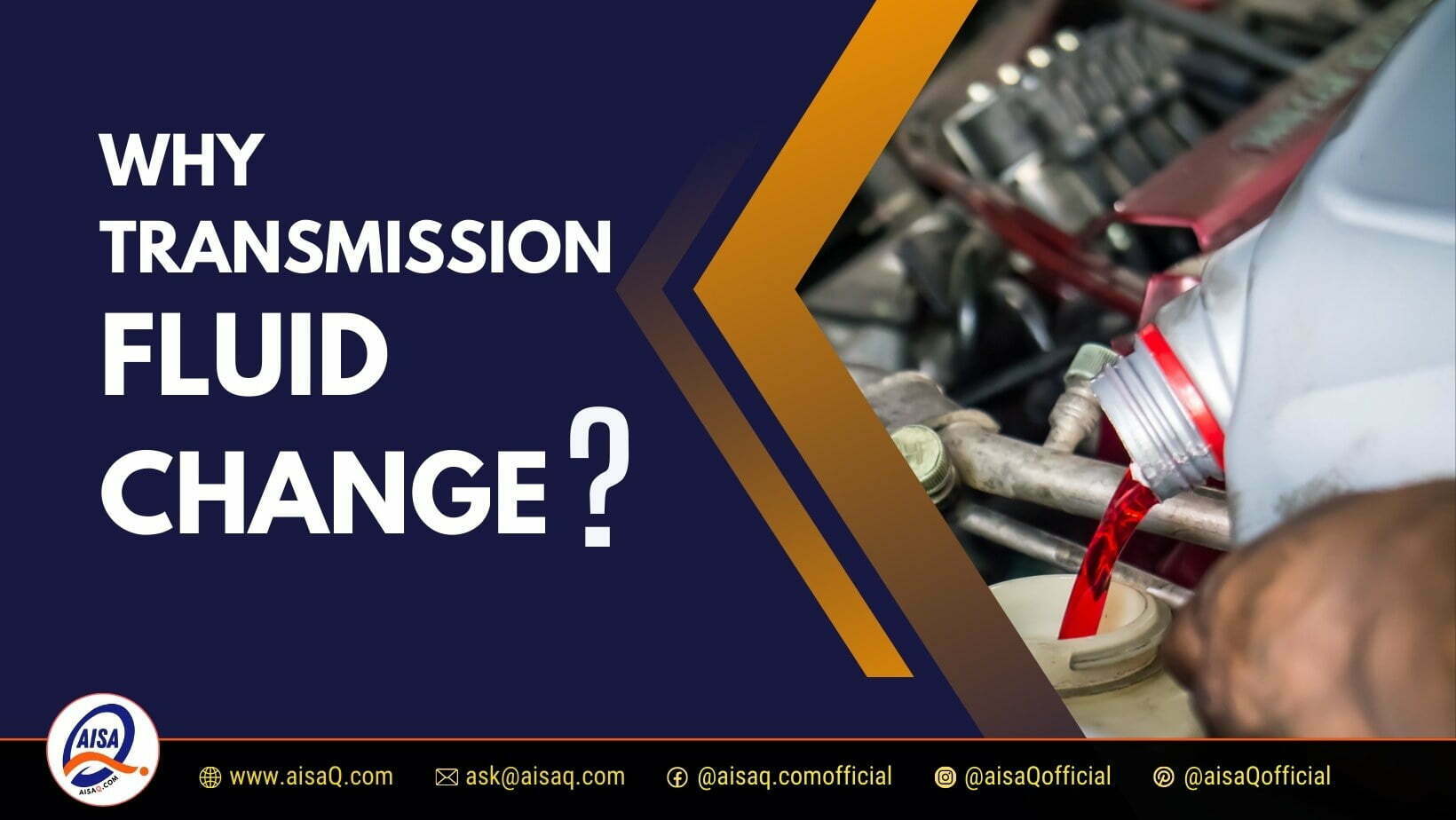
The question "When do I need to change my transmission fluid?" used to be a fairly straightforward one. Consult your owner's manual, check the dipstick (if you have one!), and perhaps ask your trusted mechanic. But as automotive technology leaps forward, the answer is becoming far more nuanced, impacted by everything from electrification to sophisticated sensor systems. Let's delve into this evolving landscape.
The Shifting Sands of Transmission Fluid Changes
For internal combustion engine (ICE) vehicles, the traditional advice still holds some weight. Mileage intervals, typically between 30,000 and 60,000 miles for standard automatics, and potentially longer for manual transmissions, remain a good starting point. However, driving conditions play a crucial role. Towing heavy loads, frequent stop-and-go traffic, extreme temperatures, and spirited driving all place added stress on the transmission and its fluid, potentially shortening the recommended change interval. Ignoring these factors can lead to premature wear, slippage, and ultimately, costly repairs.
Modern vehicles are often equipped with transmission fluid temperature sensors. These sensors provide valuable data to the car's computer, which can then alert the driver to overheating conditions. Some advanced systems even use algorithms to estimate fluid degradation based on usage patterns and temperature history. This represents a shift towards a more proactive, data-driven approach to maintenance. However, it's crucial to understand the limitations of these systems. They provide an indication, not a definitive answer. Regular visual inspections of the fluid (if accessible) and professional assessments are still recommended.
Electric Vehicles: A New Paradigm?
The rise of electric vehicles (EVs) introduces a significant paradigm shift. While many EVs don't have multi-speed transmissions in the traditional sense (relying instead on a single-speed gearbox or direct drive), they still require lubrication and cooling. The fluid used in these systems is specifically formulated for electric drivetrains and may have entirely different maintenance requirements than traditional transmission fluid. The good news? The absence of shifting and the reduced complexity of the drivetrain generally translates to longer service intervals. Some manufacturers even claim "lifetime" fluid, although this is often debated, and proactive fluid changes after a substantial amount of mileage (e.g., 100,000 miles) is generally advisable to ensure optimal performance and longevity.
However, challenges remain. EV drivetrain fluids are subjected to different stresses, including electrical currents and high operating speeds. Understanding the long-term effects of these stresses and developing robust monitoring systems is an ongoing area of research.
Hybrid Systems: The Best (and Worst) of Both Worlds
Hybrid vehicles present a unique set of challenges. Depending on the architecture of the hybrid system (parallel, series, or power-split), the transmission may be a traditional automatic, a continuously variable transmission (CVT), or a more complex electromechanical system. Each type has its own fluid requirements and maintenance schedules. Power-split hybrids, in particular, often use a planetary gearset controlled by electric motors. While robust, these systems still require specialized fluids and periodic maintenance. Furthermore, regenerative braking in hybrid vehicles can reduce the overall wear and tear on the braking system but can also impact the duty cycle of the transmission, influencing fluid degradation.
The key takeaway for hybrid vehicle owners is to carefully consult the owner's manual and adhere to the manufacturer's recommendations. Ignoring these guidelines can lead to serious problems and invalidate warranties.
Smart Automotive Solutions and the Future of Fluid Maintenance
Looking ahead, we can expect to see even more sophisticated approaches to transmission fluid maintenance. Connected car technology will enable real-time monitoring of fluid condition, predicting degradation rates with greater accuracy. AI-powered diagnostic systems will analyze sensor data, driving habits, and environmental factors to provide personalized maintenance recommendations. Imagine a future where your car proactively schedules a transmission fluid change based on its actual needs, optimizing performance and minimizing downtime. The development of self-healing fluids that can repair minor wear and tear within the transmission could also extend service intervals.
However, there are hurdles to overcome. Data privacy concerns, the cybersecurity risks associated with connected car systems, and the high cost of advanced sensor technology are all challenges that need to be addressed. Furthermore, the increasing complexity of automotive systems requires highly trained technicians who can diagnose and repair these vehicles effectively.
The future of mobility is undeniably electric, connected, and autonomous. As these technologies mature, the role of transmission fluid (or its equivalent in electric drivetrains) will continue to evolve. Embracing innovation, fostering collaboration between automakers, fluid manufacturers, and technology providers, and prioritizing preventative maintenance are essential for ensuring a smooth and sustainable transition to the next generation of transportation. We are moving towards a future where vehicles are not just modes of transport, but intelligent partners that anticipate our needs and optimize their performance, ensuring a safer, more efficient, and more enjoyable driving experience.
Ultimately, the future of transmission fluid changes will involve a shift from reactive, mileage-based schedules to proactive, data-driven maintenance. This will not only extend the lifespan of our vehicles but also contribute to a more sustainable and efficient transportation ecosystem. We are on the cusp of a revolution in automotive maintenance, one driven by data, innovation, and a commitment to a better future for mobility.