
When Should You Change The Oil In Your Car
Ah, the oil change. The automotive ritual we all love to... well, tolerate. It's right up there with rotating tires and remembering where you put your registration. But unlike those tasks, neglecting your oil change can have catastrophic consequences for your beloved machine. So, when *exactly* should you be changing your oil? The answer, like a perfectly executed Scandinavian flick, is more nuanced than you might think.
The "3,000 Mile Myth" and the Rise of Synthetic
For decades, the 3,000-mile oil change was gospel. Your grandpa swore by it, your uncle preached it, and your local mechanic probably still encourages it. But that number, while safe, is often a relic of older engine technology and conventional oil. Modern engines, especially those using synthetic oil, can go much, much further.
The key difference lies in the oil itself. Conventional oil is derived directly from crude oil and breaks down faster under heat and stress. Synthetic oil, on the other hand, is engineered for superior performance and longevity. It's more resistant to thermal breakdown, oxidation, and sludge buildup, allowing for extended drain intervals.
Manufacturer Recommendations: The First Stop
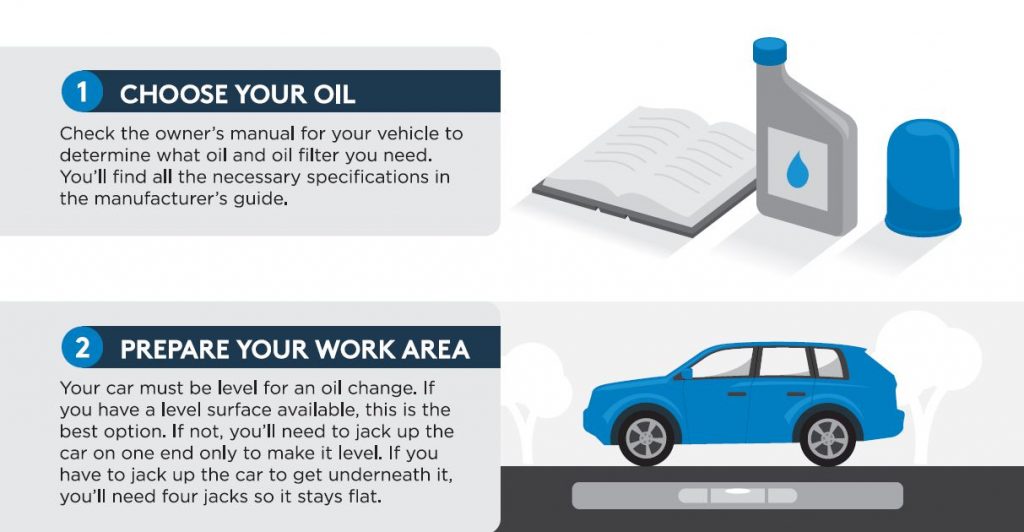
Your car's owner's manual is your bible (or at least a very important guidebook). It outlines the manufacturer's recommended oil change interval, which is often significantly longer than 3,000 miles. However, these recommendations are usually based on "normal" driving conditions. So, what constitutes "normal"? Let's break it down:
- Normal Driving: Mostly highway miles, consistent speeds, and moderate temperatures.
- Severe Driving: Frequent short trips, stop-and-go traffic, towing, extreme temperatures (hot or cold), dusty conditions, and racing.
If your driving habits fall into the "severe" category (and let's be honest, many of us live in cities and regularly encounter stop-and-go traffic), you'll need to adjust your oil change interval accordingly. Shorter is always better than sorry.
Spec Showdown: Comparing Oil Change Intervals
Let's look at some real-world examples. Here's a comparison of recommended oil change intervals for a few popular vehicles:
| Vehicle | Engine | Oil Type | Normal Driving Interval | Severe Driving Interval |
|---|---|---|---|---|
| Toyota Camry | 2.5L I4 | Synthetic | 10,000 miles or 12 months | 5,000 miles or 6 months |
| Ford F-150 | 3.5L EcoBoost V6 | Synthetic Blend | 7,500 miles or 12 months | 5,000 miles or 6 months |
| Honda Civic | 1.5L Turbo I4 | Synthetic | 10,000 miles or 12 months | 5,000 miles or 6 months |
| BMW 3 Series | 2.0L Turbo I4 | Synthetic | 10,000 miles or 12 months | 7,500 miles or 6 months (BMW often uses more robust oil and filter setups) |
Note: Always consult your owner's manual for the specific recommendations for your vehicle.
The Engine Factor: Turbocharged vs. Naturally Aspirated
Turbocharged engines, while offering impressive power and efficiency, put significantly more stress on engine oil. The turbocharger itself operates at extremely high temperatures, which can cause oil to break down faster. Therefore, turbocharged engines generally require more frequent oil changes than their naturally aspirated counterparts, especially if driven aggressively.
Real-World Driving Impressions and Key Considerations
- Oil Life Monitoring Systems: Many modern vehicles have sophisticated oil life monitoring systems that use algorithms to estimate oil degradation based on your driving habits. While these systems are generally accurate, it's still a good idea to check your oil level and condition manually.
- Oil Analysis: For the truly dedicated enthusiast (or those with high-performance vehicles), oil analysis can provide valuable insights into the health of your engine. By sending a sample of your used oil to a lab, you can identify potential problems and optimize your oil change intervals.
- The Smell Test: If your oil smells burnt or has a gritty texture, it's time for a change, regardless of the mileage.
Pros and Cons: Extended Oil Change Intervals
Pros:
- Reduced Maintenance Costs: Fewer oil changes mean less money spent on oil and filters.
- Convenience: Less frequent trips to the mechanic.
- Environmentally Friendly: Fewer used oil disposals.
Cons:
- Potential Engine Damage: If oil degrades too much, it can lead to increased wear and tear on engine components.
- Voided Warranty: Using incorrect oil or exceeding recommended intervals can void your warranty.
The Bottom Line: Err on the Side of Caution (But Be Informed)
While modern synthetic oils allow for extended drain intervals, it's always best to err on the side of caution. Following your manufacturer's recommendations and adjusting for severe driving conditions is a good starting point. Regularly checking your oil level and condition is crucial. And if you're unsure, consult with a trusted mechanic.
Ultimately, the best oil change interval is the one that provides optimal protection for your engine, based on your driving habits. Don't blindly follow outdated advice. Stay informed, be proactive, and your engine will thank you for it.
Now for the fun part: Let's hear your opinions! What's the longest you've gone between oil changes (and did you regret it)? Are oil life monitoring systems trustworthy, or just fancy marketing gimmicks? Let the debate begin!