
When Should You Check The Oil In Your Car
Maintaining your car's engine is crucial for its longevity and performance. One of the most fundamental maintenance tasks is checking the oil level. But when should you check the oil in your car? The answer isn't always straightforward, as various factors influence the optimal frequency.
Why Checking Your Car's Oil is Important
Before diving into the 'when,' let's briefly cover the 'why.' Engine oil serves several vital functions:
- Lubrication: Oil reduces friction between moving engine parts, preventing wear and tear.
- Cooling: It helps dissipate heat generated by combustion, preventing overheating.
- Cleaning: Oil carries away dirt, debris, and combustion byproducts, keeping the engine clean.
- Sealing: It helps seal the gaps between piston rings and cylinder walls, maintaining compression.
- Protection: Oil contains additives that protect against corrosion and oxidation.
Insufficient oil can lead to severe engine damage, including seized bearings, scored cylinder walls, and ultimately, engine failure. Regular oil checks are a simple yet effective way to prevent costly repairs.
The Recommended Frequency: A General Guideline
Most car manufacturers recommend checking your oil at least once a month, or every time you fill up your gas tank. This is a good starting point, but it's essential to consider your driving habits and vehicle type. Consult your owner's manual for specific recommendations for your make and model. The manual is the best source for information on your vehicle's specific needs.
Factors Influencing Oil Check Frequency
Several factors can influence how often you need to check your oil:
Driving Habits
Aggressive driving, such as frequent hard acceleration and braking, puts more stress on the engine and can cause oil to degrade more quickly. Similarly, stop-and-go traffic in urban environments generates more heat and stress compared to highway driving. If you primarily drive in these conditions, you should check your oil more frequently, perhaps every two weeks instead of once a month. Consider this quote:
"Driving habits heavily impact oil degradation; aggressive driving necessitates more frequent oil checks."
Vehicle Age and Mileage
Older vehicles, especially those with higher mileage, are more prone to oil leaks and consumption. Worn piston rings, valve stem seals, and gaskets can all contribute to oil loss. As a car ages, checking the oil becomes even more critical. Vehicles with over 75,000 miles generally benefit from more frequent checks, potentially every week or two.
Engine Type
Some engine types are known to consume more oil than others. For example, certain high-performance engines or engines with specific design characteristics may naturally burn a small amount of oil during normal operation. Be aware of your engine type and any known tendencies. If you are unsure, consult a trusted mechanic or refer to online forums specific to your vehicle make and model.
Oil Type
The type of oil you use can also influence how frequently you need to check it. Synthetic oils generally offer better protection and last longer than conventional oils. However, even with synthetic oil, regular checks are still essential to monitor for leaks or other issues.
Towing and Heavy Loads
Towing trailers or carrying heavy loads places extra stress on the engine, increasing oil temperature and accelerating its degradation. If you frequently tow or haul heavy items, you should check your oil more often, perhaps before and after each trip.
How to Check Your Car's Oil Level
Checking your oil level is a simple process that can be done in a few minutes:
- Park on a level surface: This ensures an accurate reading.
- Turn off the engine and allow it to cool down: Wait at least 10-15 minutes for the oil to drain back into the oil pan.
- Locate the dipstick: It's usually brightly colored (often yellow or orange) and marked with an oil can symbol.
- Pull out the dipstick and wipe it clean with a rag or paper towel.
- Reinsert the dipstick fully into its tube.
- Pull the dipstick out again and observe the oil level.
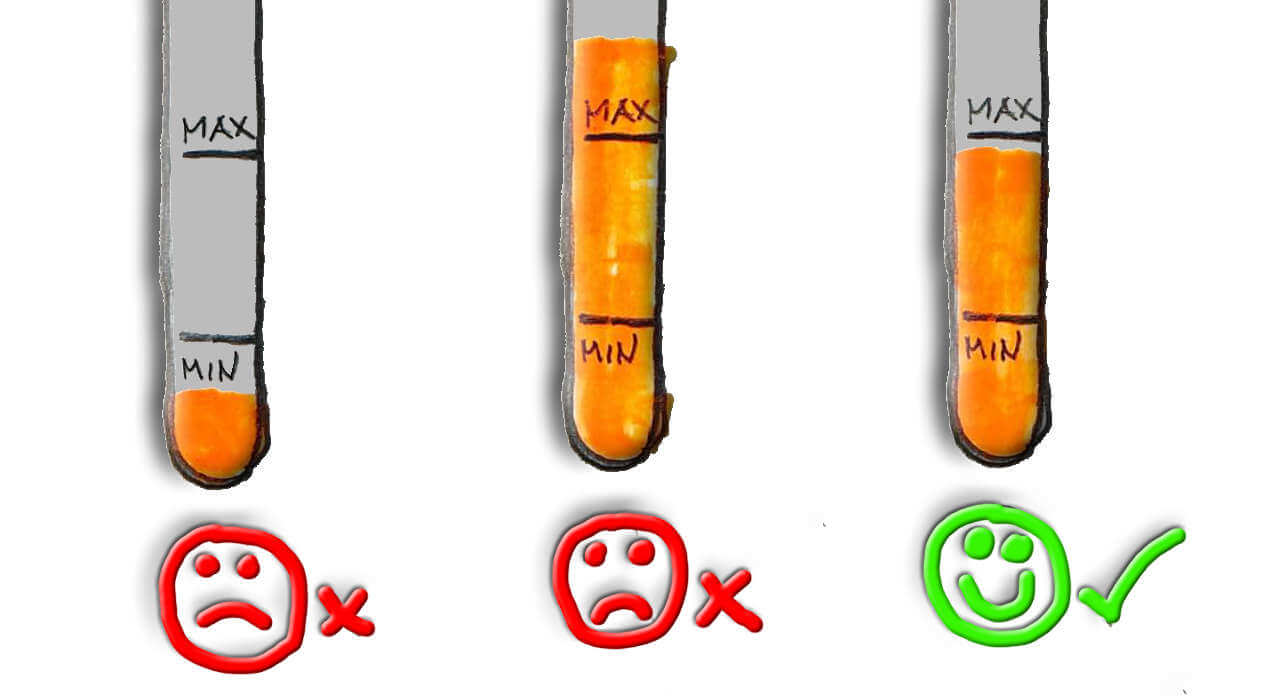
- The dipstick has markings indicating the "minimum" and "maximum" oil levels. The oil level should be between these two marks. If it's below the minimum, you need to add oil.
What to Look For When Checking Your Oil
In addition to checking the oil level, pay attention to the oil's color and consistency. Clean oil should be amber or light brown. Dark, sludgy oil indicates that it's time for an oil change. Also, look for any signs of contaminants, such as metal shavings or coolant, which could indicate engine problems.
When to Consult a Mechanic
While regular oil checks are a good preventative measure, certain situations warrant a visit to a mechanic:
- Consistently low oil levels: If you find yourself frequently adding oil to maintain the proper level, it could indicate a leak or excessive oil consumption.
- Milky or frothy oil: This could indicate a coolant leak into the oil, which is a serious problem.
- Metal shavings in the oil: This indicates internal engine wear and requires immediate attention.
- Unusual engine noises: Low oil levels can cause knocking or rattling sounds.
- Oil pressure warning light: This light indicates critically low oil pressure and requires immediate action. Stop the car immediately and have it towed to a mechanic.
Ignoring these warning signs can lead to catastrophic engine damage. It's always better to be proactive and address potential problems early on.
Conclusion
Regularly checking your car's oil is a simple yet crucial maintenance task that can significantly extend the life of your engine. While a general recommendation is to check it at least once a month, consider your driving habits, vehicle age, engine type, and other factors to determine the optimal frequency for your specific situation. Remember that consistent attention to this basic task can save you from expensive repairs down the road. Don't underestimate the importance of a well-lubricated engine!