
When Should You Replace Your Brake Rotors
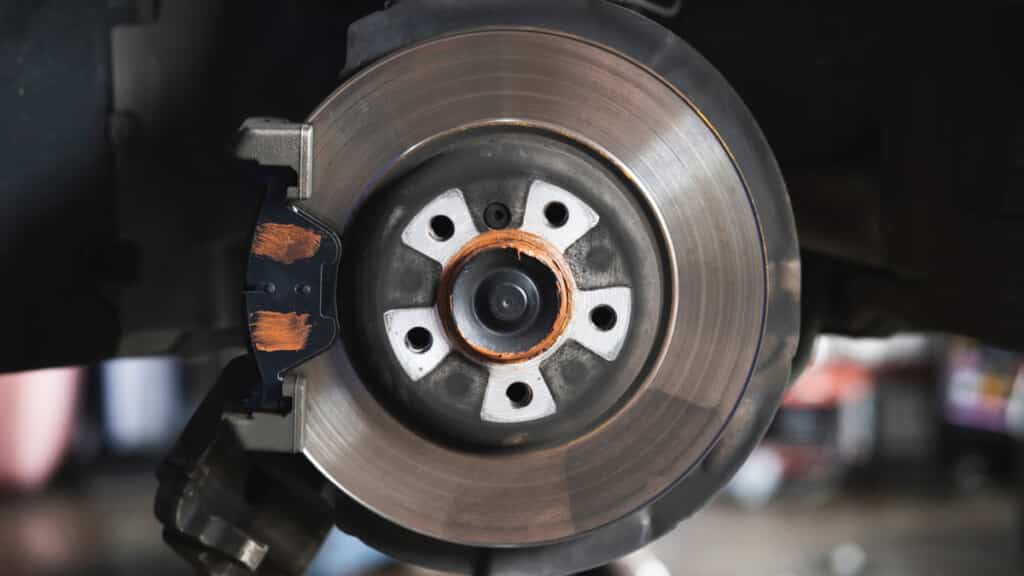
Brake rotors, also known as brake discs, are a crucial component of a vehicle's braking system, responsible for slowing and stopping the vehicle through friction generated by the brake pads. Determining when to replace these rotors is paramount for safety, performance, and overall vehicle longevity. This article provides an in-depth analysis for automotive professionals, covering technical specifications, engineering considerations, and real-world performance to guide informed decision-making regarding rotor replacement.
Understanding Rotor Wear and Replacement Indicators
Several factors contribute to rotor wear and necessitate eventual replacement. These include:
- Thickness Variation (Runout): Uneven wear leads to variations in rotor thickness, causing brake pedal pulsation and reduced braking effectiveness. Manufacturers specify a minimum thickness, typically stamped on the rotor itself. Exceeding this minimum necessitates replacement. Measuring runout requires a dial indicator and adherence to manufacturer specifications, usually within a few thousandths of an inch.
- Surface Finish: Scoring, grooving, and heat cracks compromise the rotor's surface, reducing contact area with the brake pads and hindering heat dissipation. Minor imperfections can sometimes be addressed by resurfacing (machining), but severe damage requires replacement. The depth and extent of these imperfections determine resurfacing viability.
- Corrosion: Rust and corrosion, particularly in areas with harsh weather conditions, can weaken the rotor's structure and compromise its braking performance. While surface rust may be acceptable, significant corrosion, especially on the braking surface, warrants replacement.
- Heat Damage: Excessive heat cycling can lead to rotor warping and hardening, reducing its ability to effectively dissipate heat. Blueing of the rotor surface is a visual indicator of overheating and potentially altered metallurgical properties.
Technical Specifications and Engineering Choices
Rotor materials and design influence their durability and performance. Common materials include:
- Cast Iron: The most common and cost-effective material, offering good friction characteristics and heat dissipation for standard applications.
- Steel: Used in some applications, particularly where higher strength and resistance to warping are required.
- Carbon Ceramic: Found in high-performance vehicles, offering superior heat resistance, lighter weight, and extended lifespan, but at a significantly higher cost.
- Composite Rotors: Utilizing combinations of materials like aluminum and cast iron to balance weight, strength, and heat dissipation.
Rotor design also varies. Vented rotors, with internal vanes, are common on front axles where braking demands are higher, promoting improved heat dissipation. Drilled and slotted rotors are sometimes used to improve cooling and remove debris, but can also reduce rotor strength if not engineered properly. When selecting replacement rotors, it's crucial to match the original equipment (OE) specifications or choose aftermarket options that meet or exceed those specifications.
Resurfacing vs. Replacement: Pros and Cons
Resurfacing, or machining, involves removing a thin layer of material from the rotor's surface to restore a smooth, flat braking surface. However, resurfacing has limitations:
- Pros of Resurfacing: Cost-effective compared to replacement, can address minor surface imperfections, extends rotor lifespan (to a degree).
- Cons of Resurfacing: Reduces rotor thickness, shortening its overall lifespan. May not be suitable for rotors already near their minimum thickness. Cannot address deep cracks or warping. Often requires specialized equipment and skilled technicians.
Replacement offers several advantages:
- Pros of Replacement: Restores rotor to full thickness and optimal performance. Addresses all types of rotor damage. Provides longer-term reliability.
- Cons of Replacement: Higher initial cost compared to resurfacing.
The decision to resurface or replace depends on the severity of the rotor damage, the current rotor thickness, and the vehicle owner's budget. As a general guideline, rotors near or below their minimum thickness should always be replaced. Resurfacing is a viable option only if the rotor has sufficient remaining thickness and the damage is limited to surface imperfections.
Reliability Aspects and Maintenance Tips
Proper brake maintenance extends rotor lifespan and ensures reliable performance:
- Regular Brake Inspections: Inspect rotors for thickness, surface condition, and signs of damage during routine maintenance.
- Proper Brake Pad Selection: Using the correct brake pad material for the vehicle and driving conditions is essential. Aggressive pad materials can accelerate rotor wear.
- Avoid Hard Braking: Minimize unnecessary hard braking, which generates excessive heat and accelerates rotor wear.
- Ensure Proper Caliper Function: Sticking or dragging calipers can cause uneven rotor wear and overheating. Caliper maintenance should be performed regularly.
- Follow Break-In Procedures: After replacing rotors or brake pads, follow the manufacturer's recommended break-in procedure to ensure proper bedding and optimal performance.
Future Trends
The automotive industry is constantly evolving, and braking technology is no exception. Future trends include:
- Advanced Materials: Increased use of lightweight and high-performance materials like carbon ceramic composites to improve braking performance and reduce weight.
- Regenerative Braking: More widespread adoption of regenerative braking systems in electric and hybrid vehicles, which reduces the reliance on friction brakes and extends rotor lifespan.
- Brake-by-Wire Systems: Electronic brake systems that eliminate the mechanical link between the brake pedal and the calipers, allowing for more precise control and potentially reducing rotor wear through optimized brake force distribution.
- Improved Diagnostics: Enhanced diagnostic tools that provide more accurate and detailed information about rotor condition, allowing for proactive maintenance and replacement.
These advancements highlight the automotive industry's commitment to improved safety, performance, and efficiency. As automotive professionals, staying informed about these trends is crucial for providing the best possible service to customers.
In conclusion, determining when to replace brake rotors requires a thorough understanding of rotor wear indicators, technical specifications, and the pros and cons of resurfacing versus replacement. By adhering to manufacturer specifications, performing regular maintenance, and staying informed about future trends, automotive professionals can ensure the safety and reliability of their customers' vehicles.