
Where Do I Find The Color Code For My Car
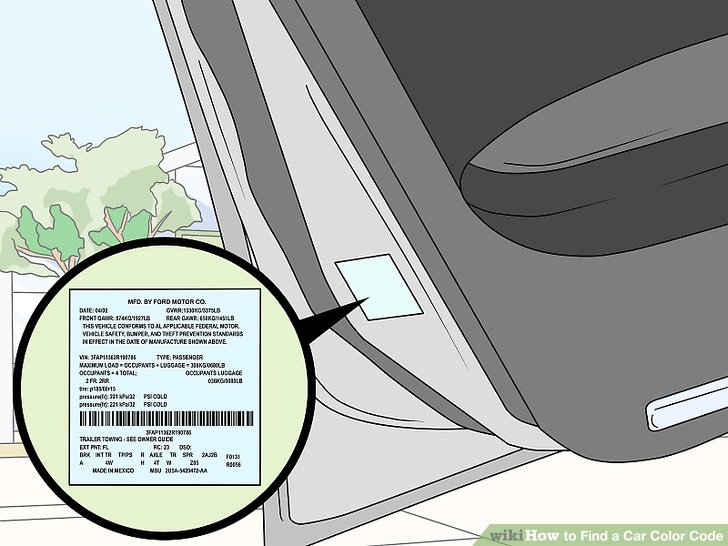
So, you're on a quest to find the elusive color code for your beloved vehicle? Whether you're touching up a scratch, ordering a perfectly matched part, or simply satisfying your curiosity, locating this crucial piece of information is essential. This article will guide you through the common hiding spots and decoding methods to unveil your car's true hue.
Why You Need Your Car's Color Code
Beyond the simple aesthetic appeal, a car's color code is vital for several reasons. First and foremost, it ensures a perfect match when you need to repaint a section of your car. Even if two colors appear similar to the naked eye, slight variations can be glaringly obvious after a repair. Using the correct color code guarantees a seamless blend, restoring your car's original look. Imagine the frustration of a mismatched bumper after a minor fender bender – a scenario easily avoided with the right code. Secondly, the code helps when ordering touch-up paint, replacement parts like side mirrors or door handles, and even accessories designed to match your vehicle's exterior. This prevents costly mistakes and returns, saving you time and money. The color code also becomes important when you are purchasing parts online or having custom work done on your vehicle.
The Usual Suspects: Where to Look
Manufacturers typically place the color code in one of several easily accessible locations. Think of it as a treasure hunt, but with far less digging required. Here are the most common places to check:
- Driver's Side Door Jamb: This is arguably the most popular location. Look for a sticker or plate affixed to the door jamb, often near the latch. This sticker usually contains various vehicle information, including the VIN, tire pressure recommendations, and, crucially, the paint code.
- Under the Hood: Another common spot is under the hood, typically on the firewall (the metal panel separating the engine compartment from the passenger cabin) or on the radiator support. You might find a sticker or a stamped plate containing the code.
- Glove Compartment: Some manufacturers, particularly those of European vehicles, like to place the color code information inside the glove compartment, either on the door itself or on a sticker affixed to the inner wall.
- Spare Tire Well: While less common, occasionally you'll find the code located in the spare tire well. Lift the spare tire and inspect the surrounding area for a sticker or plate.
- Owner's Manual: While not a physical location *on* the car, the owner's manual often lists the paint code along with other vehicle specifications. This is especially helpful if you're having trouble locating the physical sticker.
Decoding the Code: Understanding the Nomenclature
Once you've located the sticker, deciphering the color code is the next step. Unfortunately, there's no universal standard; each manufacturer uses its own system. However, there are some common patterns.
The color code is usually a combination of letters and numbers. For example, a Toyota might use a code like "040" for Super White, while a Honda might use "NH-731P" for Crystal Black Pearl. A Ford could use "UX" or "YZ" representing different shades of white. The key is to identify the specific characters designated as the paint code. Often, the sticker will have the words “Paint Code” or “Color Code” somewhere in proximity to the code itself. Sometimes, you might encounter a color name alongside the code, which can help confirm you've found the correct information. Always double-check the information with your VIN (Vehicle Identification Number) if you are uncertain.
When the Hunt Fails: Alternative Methods
What if you've exhausted all the usual hiding spots and still can't find the color code? Don't despair! Here are a few alternative options:
- Contact Your Dealership: Your local dealership has access to your vehicle's information based on the VIN. Call the service or parts department and provide your VIN; they should be able to look up the paint code for you.
- Online VIN Decoders: Several online VIN decoders can provide various vehicle details, including the paint code. However, the accuracy of these decoders can vary, so it's always best to confirm the information with another source.
- Professional Auto Body Shops: Auto body shops have specialized tools and databases to identify paint colors. They can use a paint color scanner to analyze your car's paint and determine the closest match, even without the original code. This is a good option if the paint is heavily faded or if the original sticker is missing.
A Word of Caution
When using online resources or relying on memory, always double-check the color code before ordering paint or parts. A slight variation in the code can result in a noticeable color difference. It's always better to be safe than sorry, especially when dealing with potentially costly repairs. Also, remember that paint can fade over time, especially if your car is frequently exposed to sunlight. Even with the correct color code, a perfect match might require some blending and adjusting to account for the existing paint's condition.
Finding your car's color code is a manageable task with a little patience and the right information. By following these steps and utilizing the resources available, you'll be well on your way to achieving a flawless paint match and keeping your vehicle looking its best. Remember, a little detective work can save you significant time and money in the long run.