
Where Do I Find The Paint Code For My Car
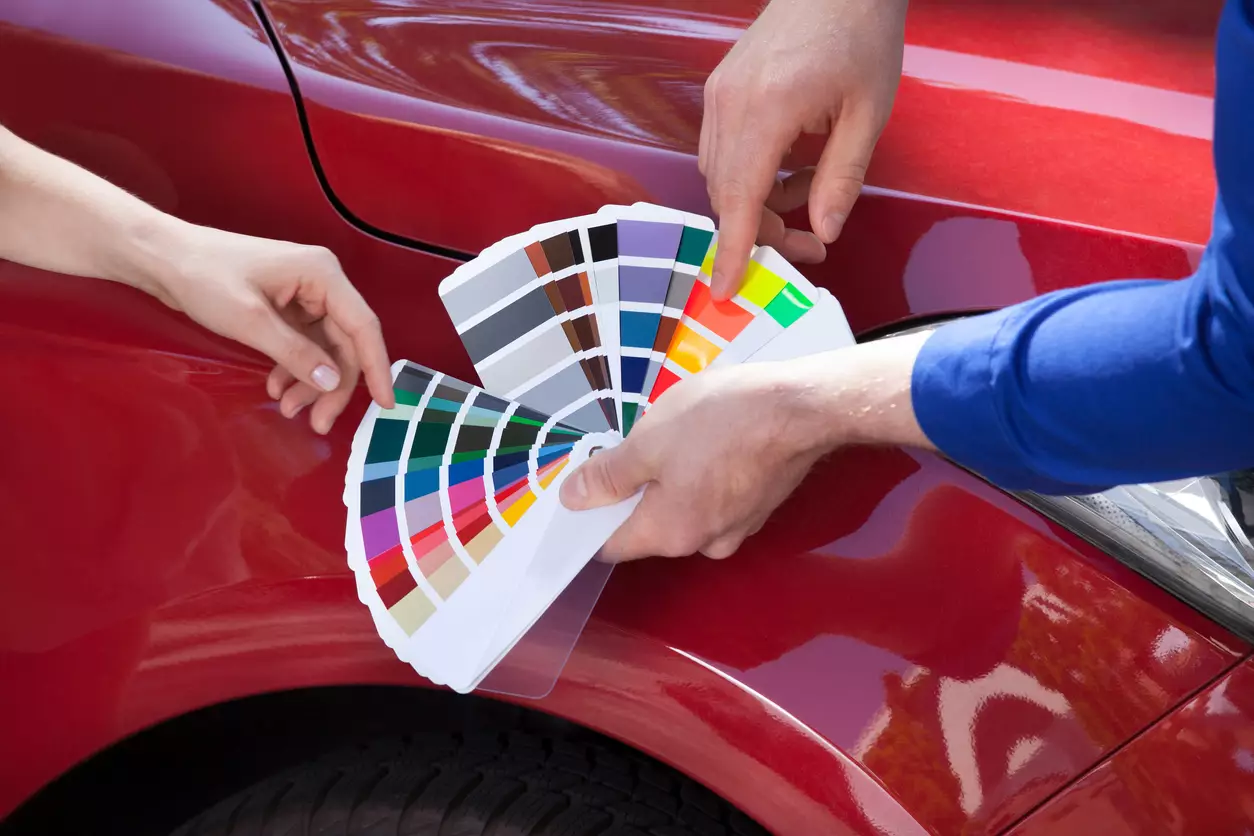
So, you're looking to touch up a scratch, replace a panel after a fender-bender, or maybe even give your trusty steed a full respray. The first hurdle? Finding the right paint code. Matching your car's original paint is crucial for a seamless repair, preserving its value, and ensuring it looks its best. This isn't as simple as saying "it's blue," as manufacturers offer myriad shades of even the most common colors. Thankfully, locating your car's paint code is usually a straightforward process, even if it sometimes feels like a treasure hunt.
Decoding the Mystery: Where to Look
The location of your car's paint code varies depending on the manufacturer and model year. Think of it as each automaker having its own favorite hiding spot. Here's a breakdown of the most common places to search:
- Driver's Side Doorjamb: This is the most frequent location. Look for a sticker or plate on the doorjamb itself, the door edge, or the B-pillar (the central pillar between the front and rear doors). The paint code is often part of a larger sticker containing vehicle information like VIN, tire pressures, and build date.
- Under the Hood: Check the radiator support, the inner fenders, or the firewall (the metal partition separating the engine compartment from the passenger compartment). Some manufacturers prefer to place the paint code sticker in these areas, especially on older vehicles.
- Glove Compartment: While less common, some vehicles, particularly older models, may have the paint code listed on a sticker inside the glove compartment door or within the glove compartment itself.
- Spare Tire Well: Occasionally, the paint code sticker can be found in the spare tire well, either affixed to the well itself or to a panel within the trunk.
- Owner's Manual: While not the primary location, the owner's manual might list the paint code or provide general information about where to find it on the vehicle.
Pro Tip: Use your phone's camera to take a clear picture of any sticker or plate you find. This will allow you to zoom in and easily read the code later.
Understanding Paint Codes: A Quick Guide
Paint codes aren't always intuitive. They can be alphanumeric (a combination of letters and numbers), numeric only, or even a combination of both with special characters. Here's what to look for:
- Format Variation: Different manufacturers use different formats. For example, a Honda paint code might be a simple two-letter/number combination like "B-518P" (for Bluish Pearl), while a BMW paint code might be a three-digit number like "475" (for Black Sapphire Metallic).
- Location on the Sticker: The paint code might be labeled with terms like "Paint Code," "Color Code," "Exterior Paint," or simply "Color." Sometimes, it's not explicitly labeled, but it's often the shortest alphanumeric code on the sticker.
- Variations and Suffixes: Be aware that some paint codes may have suffixes or variations that indicate slight differences in the paint formulation or application. These suffixes are important for ensuring a perfect match.
Let's consider an example: Suppose you have a 2018 Toyota Camry. You find a sticker on the driver's side doorjamb. On that sticker, you see "C/TR: 070/FC13." The "070" is likely the paint code for the exterior color, which is Blizzard Pearl. The "FC13" is likely the interior trim code.
What if You Can't Find the Paint Code?
Sometimes, despite your best efforts, the paint code sticker may be missing or illegible due to damage or wear. In these cases, here are a few alternatives:
- Contact Your Local Dealership: Provide your VIN (Vehicle Identification Number) to the parts department at your local dealership. They can typically look up the original paint code for your vehicle based on the VIN.
- Online VIN Decoder: Several online VIN decoder websites can provide information about your vehicle, including the paint code. However, these services may not always be accurate or complete.
- Professional Paint Matching: If all else fails, you can take your car to an automotive paint supplier or body shop. They can use specialized tools to scan your car's paint and create a custom-matched paint formula. This is often the most accurate, but also the most expensive, option.
Why Matching Matters: The Cost of Getting it Wrong
Using the wrong paint code can result in a noticeable color mismatch, which can significantly detract from your car's appearance and value. The cost to repaint a panel, even a small one, can range from $300 to $1000, depending on the size, complexity, and the type of paint used (single-stage, base coat/clear coat, or tri-coat). Getting the right code in the first place saves time, money, and potential frustration.
Finding your car's paint code is a vital step in any paint repair or customization project. By understanding where to look and how to interpret the code, you can ensure a perfect color match and keep your vehicle looking its best for years to come.