
Where Do I Find The Vin Number For My Car
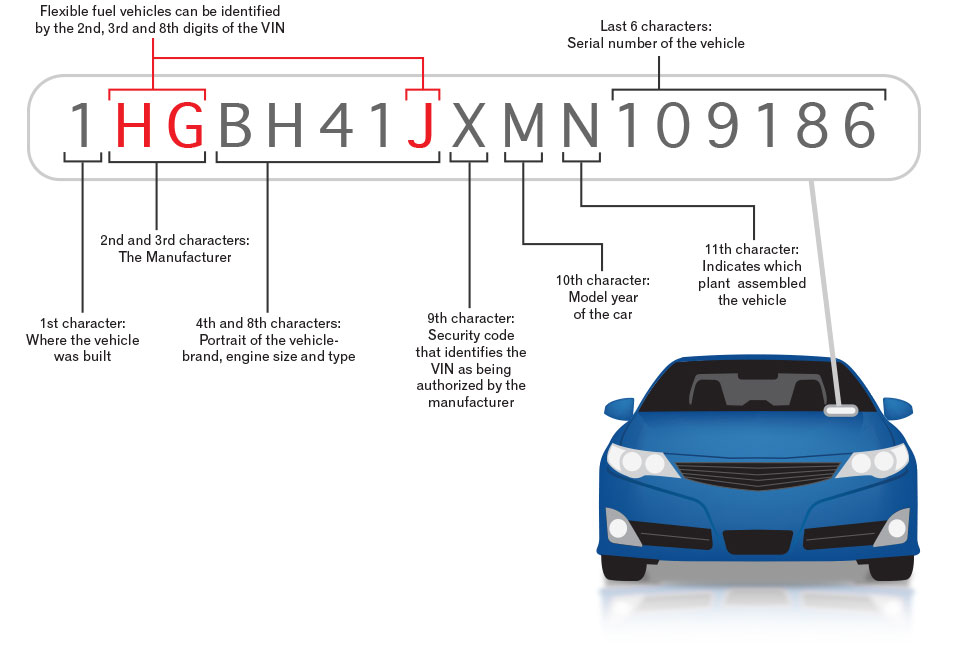
Your Vehicle Identification Number (VIN) is a unique 17-character code assigned to your car by the manufacturer. Think of it as your car's DNA – no two vehicles have the same VIN. This crucial identifier is used for various purposes, including tracking the vehicle's history, identifying recalls, and verifying its authenticity. Knowing where to find your VIN is essential for insurance purposes, registration, vehicle history reports, and even purchasing replacement parts. This article provides a comprehensive guide on locating the VIN on your car.
Common Locations for Your Car's VIN
The VIN is strategically placed in several locations on your vehicle to ensure it can be accessed regardless of damage or theft attempts. Here are the most common places to look:
1. Dashboard (Driver's Side)
The most easily accessible and often first place people look is the driver's side dashboard. Look through the windshield, specifically at the lower corner where the dashboard meets the glass on the driver's side. You should see a small metal plate (the VIN plate) with the 17-character VIN clearly visible. This location is designed for easy reading from outside the vehicle. Note that the visibility may be reduced depending on the angle of the sun and the cleanliness of the windshield. It's also sometimes partially obscured by aftermarket window tint.
2. Driver's Side Doorjamb
Another common location is on the driver's side doorjamb. Open the driver's side door and look for a sticker or plate affixed to the doorjamb (the part of the car frame the door latches onto). This sticker usually contains the VIN, along with other information like the vehicle's manufacturing date and tire pressure specifications. Sometimes, there may be more than one sticker. Examine each one carefully to locate the VIN.
3. Vehicle Title and Registration Documents
Your vehicle title and registration documents are guaranteed to have your car's VIN printed on them. This is often the easiest and quickest way to find it if you have these documents readily available. Check both your physical title and registration certificate. Also check your insurance policy documents, as the VIN is needed for policy creation.
4. Insurance Card
Like the title and registration, your car insurance card will also list the VIN. It's often abbreviated to just "VIN" so it's easy to spot. This is a quick reference when you need the VIN for things like reporting an accident or obtaining a quote for repairs.
5. Engine Block
While less common for general access, the VIN can sometimes be found stamped directly onto the engine block. This location is primarily for law enforcement and vehicle identification specialists. Finding it requires knowing the engine's specific location and potentially some disassembly. Unless you are a mechanic, it's best to skip this location and rely on the more accessible spots mentioned above.
6. Vehicle Frame
Similar to the engine block, the vehicle frame might also have the VIN stamped onto it. The location varies depending on the make and model of the car. Again, this location is more for official verification and is not easily accessible to the average owner. This location is primarily for law enforcement and vehicle identification specialists.
Why is the VIN Important?
Understanding the importance of the VIN is crucial. Here's a breakdown of its key functions:
- Vehicle History Reports: The VIN is used to generate vehicle history reports from services like Carfax or AutoCheck. These reports provide valuable information about the car's past, including accident history, title issues (salvage, flood damage, etc.), odometer readings, and service records.
- Identifying Recalls: Automakers use the VIN to track vehicles affected by safety recalls. By entering your VIN on the manufacturer's website or the National Highway Traffic Safety Administration (NHTSA) website, you can quickly determine if your car has any outstanding recalls.
- Insurance Purposes: Insurance companies require the VIN to accurately identify your vehicle and assess risk.
- Vehicle Registration: The VIN is a vital component of the vehicle registration process.
- Theft Prevention: Law enforcement uses the VIN to track stolen vehicles and recover them.
- Purchasing Replacement Parts: When ordering replacement parts, providing the VIN ensures you receive the correct parts specifically designed for your vehicle's make, model, and year.
- Warranty Claims: Manufacturers use the VIN to verify warranty coverage.
Decoding Your VIN
While simply locating the VIN is important, understanding what each section of the 17-character code represents can be insightful. The VIN is broken down into three main sections:
- World Manufacturer Identifier (WMI): The first three characters identify the vehicle's manufacturer, the region where it was manufactured, and the type of vehicle.
- Vehicle Descriptor Section (VDS): Characters 4 through 9 describe the vehicle's features, such as the body style, engine type, and model. The meaning of these characters is specific to each manufacturer.
- Vehicle Identifier Section (VIS): Characters 10 through 17 uniquely identify the specific vehicle. The 10th character indicates the model year, and the 11th character indicates the assembly plant. The last six characters are the serial number.
What to Do if You Can't Find Your VIN
If you've checked all the common locations and still can't find your VIN, here are a few suggestions:
- Consult Your Owner's Manual: Your owner's manual may provide specific information about VIN locations for your particular make and model.
- Contact Your Dealership: Your car dealership can assist you in locating the VIN, especially if you provide them with information about the vehicle.
- Contact the Manufacturer: The manufacturer's customer service department may be able to provide guidance on locating the VIN.
Important Considerations
- Tampered VINs: Be wary of vehicles with tampered or missing VIN plates. This could indicate a stolen vehicle or an attempt to conceal the vehicle's history. If you suspect a tampered VIN, contact your local law enforcement agency.
- VIN Discrepancies: Ensure the VIN on the dashboard, doorjamb, title, and other documents match. Discrepancies can indicate a problem with the vehicle's identity.
- Online VIN Decoders: Numerous online VIN decoders can help you understand the information encoded in your VIN. However, ensure you use a reputable decoder, as some may provide inaccurate information.
Conclusion
Knowing where to find the VIN on your car is a fundamental aspect of vehicle ownership. This unique identifier unlocks a wealth of information about your car's history, ensures you receive the correct parts, and aids in various administrative processes. By following the steps outlined in this article, you can confidently locate your VIN and utilize it effectively. Always double-check the VIN across multiple sources to ensure consistency and be cautious of any signs of tampering or discrepancies. Understanding the importance of the VIN protects you from potential fraud and helps you maintain accurate records for your vehicle. The VIN is your car's fingerprint, and knowing how to find it empowers you to be a more informed and responsible car owner.