
Where Is Engine Control Module Located
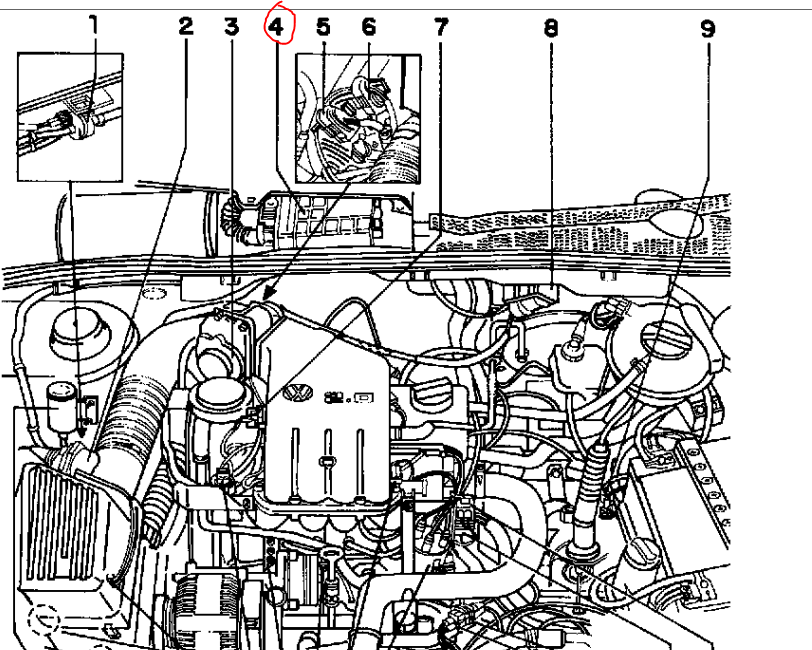
So, you're looking to find the Engine Control Module, or ECM. Maybe you're thinking about a remap, diagnosing a persistent check engine light, or even just curious. Understanding where this crucial computer resides in your vehicle is the first step. While the *general* function of an ECM remains the same across vehicles – managing engine operation – its location can vary significantly depending on the make, model, and year. This article will give you a comprehensive overview of common ECM locations and provide some troubleshooting tips for when it's playing hard to find.
Understanding the ECM and its Role
Before we dive into location specifics, let’s quickly recap what the ECM actually *does*. The ECM, sometimes referred to as the Engine Control Unit (ECU) or Powertrain Control Module (PCM) – though PCM usually controls both engine and transmission – is essentially the brains of your engine. It's a sophisticated computer that monitors a multitude of sensors throughout the engine and drivetrain. These sensors provide real-time data on things like:
- Engine Speed (RPM): How fast the engine is turning.
- Throttle Position: How far open the throttle is, indicating driver demand.
- Mass Airflow (MAF): The amount of air entering the engine, crucial for fuel mixture calculations.
- Coolant Temperature: Monitors engine temperature to prevent overheating and optimize fuel delivery.
- Oxygen Sensor Readings (O2 Sensors): Measures the oxygen content in the exhaust, allowing the ECM to fine-tune the air/fuel ratio for optimal efficiency and emissions.
- Crankshaft and Camshaft Position: Critical for determining engine timing and firing order.
- Manifold Absolute Pressure (MAP): Measures the pressure in the intake manifold, providing another indication of engine load.
Based on this sensor data and pre-programmed maps (calibration tables), the ECM controls actuators such as:
- Fuel Injectors: Controlling the amount of fuel injected into each cylinder.
- Ignition Coils: Firing the spark plugs at the correct time.
- Idle Air Control (IAC) Valve or Electronic Throttle Body: Regulating idle speed.
- Variable Valve Timing (VVT) Systems: Adjusting valve timing for improved performance and fuel economy.
- Turbocharger Wastegate (if applicable): Controlling boost pressure.
In essence, the ECM is constantly making adjustments to optimize engine performance, fuel efficiency, and emissions. It also monitors for malfunctions and stores diagnostic trouble codes (DTCs) when it detects a problem, illuminating the dreaded "Check Engine Light."
Common ECM Locations
Now, let's get to the hunt. Here are some of the most common places you'll find the ECM:
Under the Hood
This is a very common location, especially in older vehicles. Look for a metal or plastic box, often black or silver, with several large wiring harnesses connected to it. Possible locations under the hood include:
- Firewall: Mounted on the firewall, either on the engine side or the cabin side (accessed from under the hood). This is a frequent spot.
- Inner Fender Well: Located inside one of the front fender wells, usually behind the headlight assembly. This placement offers some protection from the elements.
- Engine Compartment Wall: Attached to an inner wall of the engine compartment, often near the battery or fuse box.
- On the Engine Itself: Although less common due to heat concerns, some ECMs are mounted directly on the engine, typically on the intake manifold or cylinder head. These are often heavily shielded.
Tip: Check near the main fuse box under the hood. Often, the ECM is in close proximity or even integrated into the same enclosure.
Inside the Cabin
Another popular location is inside the passenger cabin, offering better protection from the harsh engine environment. Common locations inside the cabin include:
- Under the Dashboard: This is a very common location. You might need to remove a lower dash panel or access it from the footwell. Look behind the glove compartment or under the steering column.
- Under the Seats: Some vehicles, especially those with rear-wheel drive or all-wheel drive, may have the ECM located under one of the front seats.
- Center Console: Less common, but sometimes the ECM is tucked away inside the center console, requiring removal of console components for access.
Other Less Common Locations
While the above are the most common spots, manufacturers can get creative. Here are some less frequent, but still possible, locations:
- Trunk: In some rare instances, particularly in older rear-engine vehicles or those with complex wiring layouts, the ECM might be located in the trunk.
- Behind the Rear Seat: Similar to under the front seats, some vehicles may have the ECM behind the rear seat, requiring you to fold down or remove the seat to access it.
Finding the ECM: A Step-by-Step Approach
Okay, so you know the possible locations. Now, how do you actually *find* the ECM in your specific vehicle? Here's a systematic approach:
- Consult Your Vehicle's Repair Manual: This is the *best* source of information. A repair manual specific to your make, model, and year will provide the exact location of the ECM, often with diagrams or photographs. Haynes and Chilton manuals are good resources.
- Search Online Forums: Car-specific online forums are treasure troves of information. Other owners of your vehicle have likely encountered the same question and may have posted pictures or detailed instructions on locating the ECM.
- Use Online Databases: Some websites specialize in providing vehicle-specific information, including ECM locations. These databases may require a subscription or a one-time fee, but they can save you a lot of time and frustration.
- Visually Inspect the Common Locations: Start by checking the most common locations: under the hood on the firewall or inner fender well, and under the dashboard. Use a flashlight to get a good look.
- Trace the Wiring Harness: The ECM will have a large wiring harness connected to it. Try to trace this harness back from the engine compartment or the interior. This can help you narrow down the possible locations.
- Listen for the Fuel Pump Relay Click: When you turn the ignition key to the "ON" position (without starting the engine), the ECM energizes the fuel pump relay for a few seconds. The ECM is often located near the fuel pump relay, so listening for the click and locating the relay can be a helpful clue.
Important Considerations and Safety Precautions
Before you start poking around, remember these important points:
- Disconnect the Battery: Always disconnect the negative battery terminal before working on any electrical components in your vehicle. This prevents accidental shorts and potential damage to the ECM or other sensitive electronics.
- Handle the ECM with Care: The ECM is a sensitive electronic device. Avoid dropping it, exposing it to moisture, or touching the connector pins with your bare hands. Static electricity can damage the ECM.
- Label Wiring Harnesses: If you need to disconnect any wiring harnesses, label them clearly before disconnecting them. This will prevent you from accidentally connecting them to the wrong terminals later. Use masking tape and a permanent marker.
- Ensure Proper Grounding: The ECM needs a good ground connection to function properly. Make sure the mounting points are clean and free of corrosion. If the ECM is grounded through a separate wire, ensure that the wire is securely connected to a clean metal surface.
- Seek Professional Help if Needed: If you're not comfortable working on your vehicle's electrical system, or if you're unable to locate the ECM after following these steps, don't hesitate to seek professional help from a qualified mechanic.
Troubleshooting ECM Location Challenges
Sometimes, even with the best resources, finding the ECM can be a real challenge. Here are some common issues and how to overcome them:
- Misinformation: Online sources can be inaccurate. Always double-check information from multiple sources.
- Aftermarket Modifications: Previous owners may have relocated the ECM during aftermarket modifications. Look for signs of wiring alterations or unusual mounting brackets.
- Water Damage: In some cases, water damage can lead to corrosion and obscure the ECM's location. Look for signs of water intrusion, such as rust or mildew.
- Vehicle Model Variations: Even within the same make and model year, there can be variations in ECM location depending on the specific trim level or options package.
Locating the ECM can be a bit of a scavenger hunt, but with the right information and a systematic approach, you should be able to find it. Remember to prioritize safety and consult your vehicle's repair manual whenever possible. Happy hunting!