
Where Is The Ac Expansion Valve Located
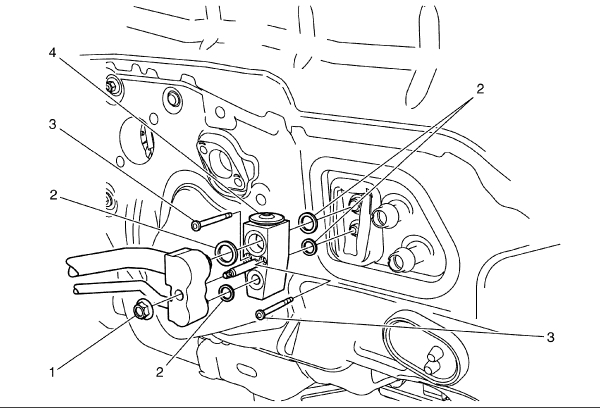
Air conditioning (AC) systems in vehicles and homes are complex networks of components working together to keep you cool. One of the most important, yet often overlooked, parts is the AC expansion valve. Understanding its role and location is crucial for troubleshooting AC problems and ensuring efficient operation. This article will provide a comprehensive guide to where the AC expansion valve is located, its function, and related information to help you better understand your AC system.
What is an AC Expansion Valve?
Before diving into the location, it's essential to understand what the AC expansion valve does. In essence, it's a metering device that controls the flow of refrigerant into the evaporator. Here's a breakdown of its key functions:
- Regulates Refrigerant Flow: The expansion valve meters the precise amount of high-pressure, liquid refrigerant entering the evaporator core.
- Reduces Pressure: It causes a significant pressure drop in the refrigerant, transforming it from a high-pressure liquid to a low-pressure liquid/gas mixture. This pressure drop is critical for the refrigerant to evaporate effectively.
- Controls Superheat: By controlling the refrigerant flow, the expansion valve helps maintain the correct superheat of the refrigerant exiting the evaporator. Superheat is the temperature of the refrigerant vapor above its boiling point, ensuring that only vapor enters the compressor.
Without a properly functioning expansion valve, the AC system's performance will suffer. Too little refrigerant flow leads to poor cooling, while too much can damage the compressor.
Where to Find the AC Expansion Valve: Common Locations
The location of the AC expansion valve varies depending on the specific system, whether it's in a vehicle or a residential/commercial HVAC unit. However, it's generally found near the evaporator core. Let's explore the common locations:
In Automotive AC Systems:
In cars and trucks, the AC expansion valve is typically located in one of the following places:
- On the Evaporator Core Housing: This is the most common location. The expansion valve is mounted directly onto the housing of the evaporator core, often inside the vehicle's cabin. To access it, you usually need to remove parts of the dashboard or glove compartment.
- Inside the Engine Compartment (Firewall): Sometimes, the expansion valve is situated near the firewall, the barrier separating the engine compartment from the passenger cabin. In these cases, it will be close to where the refrigerant lines enter the cabin to connect to the evaporator.
- In-Line Expansion Valve: Less common now, but older vehicles might have an in-line expansion valve placed directly in the liquid line, close to the evaporator. This is more exposed than other locations.
Accessing the expansion valve often requires some disassembly. Always disconnect the negative battery terminal before working on the AC system. Remember that refrigerant is under high pressure, so only qualified technicians should handle refrigerant lines.
In Residential/Commercial HVAC Systems:
For home or office air conditioning systems, the location of the expansion valve differs:
- Inside the Indoor Unit (Air Handler): In most split-system AC units, the expansion valve is located inside the indoor unit, which is also known as the air handler. This unit houses the evaporator coil, and the expansion valve is usually mounted close to it.
- At the Evaporator Coil Inlet: The expansion valve is directly connected to the inlet of the evaporator coil, controlling the refrigerant flow into the coil.
Similar to automotive systems, accessing the expansion valve in an HVAC unit usually requires removing panels from the air handler. Because these systems use higher voltages, working on them should only be done by licensed HVAC technicians.
Identifying an AC Expansion Valve
The AC expansion valve is a relatively small component, but it's easily identifiable. Here's what to look for:
- Small Metal Body: It usually has a compact metal body, often made of aluminum or brass.
- Refrigerant Line Connections: It will have several connections for refrigerant lines. Typically, there will be an inlet for the high-pressure liquid line and an outlet for the low-pressure line leading to the evaporator.
- Thermal Bulb (TXV): Some expansion valves, especially Thermostatic Expansion Valves (TXVs), have a thermal bulb or sensing bulb attached to the outlet of the evaporator. This bulb senses the temperature of the refrigerant leaving the evaporator and adjusts the valve opening accordingly. The thermal bulb is connected to the valve body by a thin capillary tube.
- Orifice Tube (Fixed Orifice): Some systems don't use an expansion valve. Instead, they use a fixed orifice tube. An orifice tube is a simple, non-adjustable flow-restricting device, typically located in the liquid line entering the evaporator. It looks like a small filter with a tiny hole in the center.
Knowing these characteristics will help you identify the expansion valve within the system.
Symptoms of a Faulty AC Expansion Valve
A malfunctioning AC expansion valve can cause several problems. Recognizing these symptoms early can save you time and money.
- Poor Cooling Performance: One of the most common symptoms is a noticeable decrease in cooling efficiency. The AC might blow warm air, or it might not cool as effectively as it used to.
- Icing on the Evaporator Core: If the expansion valve is stuck open or allowing too much refrigerant to flow, the evaporator core can get excessively cold and ice up.
- Frost on AC Lines: Similar to evaporator icing, you might notice frost forming on the refrigerant lines, especially near the expansion valve.
- Unusual Noises: In some cases, a malfunctioning expansion valve can cause hissing or gurgling noises from the AC system.
- Compressor Issues: A faulty expansion valve can put undue stress on the compressor, potentially leading to premature failure. A restricted valve starves the compressor, while an open valve floods it.
- High or Low Superheat: Measuring the superheat can indicate whether the expansion valve is functioning correctly. In automotive applications, this requires special gauges and knowledge.
If you experience any of these symptoms, it's best to have the AC system diagnosed by a qualified technician.
Troubleshooting and Replacement
Troubleshooting AC expansion valves typically involves:
- Visual Inspection: Check for any signs of damage, leaks, or corrosion on the valve and surrounding components.
- Pressure Testing: Use AC manifold gauges to check the system pressures. Abnormal pressures can indicate a problem with the expansion valve.
- Temperature Measurement: Measure the temperature of the refrigerant lines and the evaporator to assess the valve's performance.
- Superheat/Subcooling Calculations: These calculations, performed with specialized tools, help determine if the expansion valve is metering refrigerant correctly.
Replacing an AC expansion valve is a common repair. The procedure typically involves:
- Recovering the refrigerant from the system using a recovery machine. (Important: This should only be done by certified technicians!)
- Disconnecting the refrigerant lines from the expansion valve.
- Removing the old expansion valve.
- Installing the new expansion valve.
- Connecting the refrigerant lines.
- Evacuating the system to remove air and moisture.
- Recharging the system with the correct amount of refrigerant.
It is critical to use the correct type and size of expansion valve for your AC system. Using the wrong valve can lead to performance issues or damage.
Conclusion
The AC expansion valve is a vital component in your air conditioning system. Understanding its function and where it is located can help you diagnose problems and maintain your AC system effectively. Whether it's in your car or your home, knowing the common locations and symptoms of a faulty valve can save you time and prevent costly repairs. Always consult with a qualified technician for any AC repairs, especially those involving refrigerant handling. With proper care and maintenance, your AC system will keep you comfortable for years to come.