
Where Is The Cam Sensor
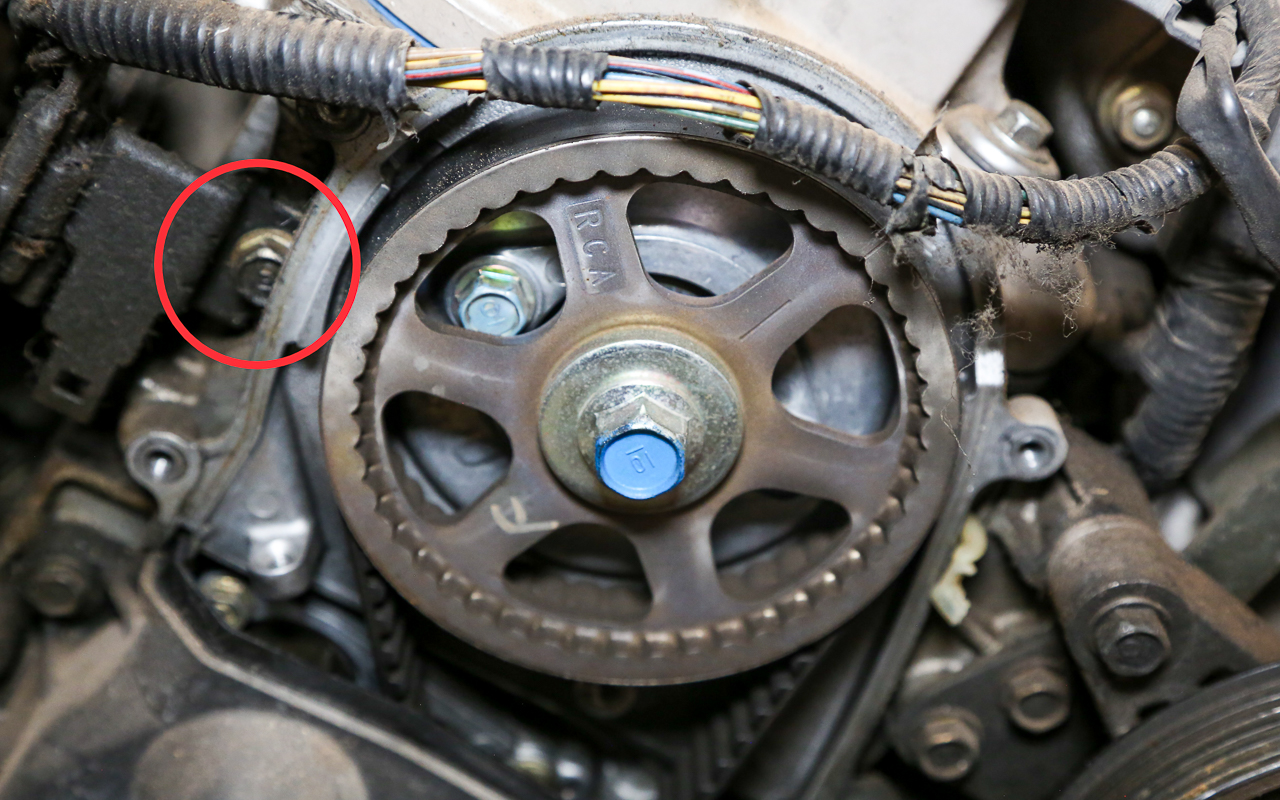
The camshaft position sensor (CMP sensor) is a critical component in modern internal combustion engines, providing vital information to the engine control unit (ECU) for precise ignition and fuel injection timing. Its location, however, is not standardized and varies significantly depending on the engine design and manufacturer. This article delves into the various locations of the CMP sensor, the engineering rationale behind these choices, comparisons with alternative sensing technologies, and considerations for reliability, maintenance, and future trends.
Common CMP Sensor Locations
The location of the CMP sensor is dictated by the engine architecture and the method used to detect the camshaft's position. Here are some of the most common locations:
Timing Cover
One of the most prevalent locations is on the engine's timing cover, near the camshaft sprocket. In this configuration, the sensor typically uses a reluctor wheel attached to the camshaft sprocket as its target. The reluctor wheel has teeth or notches that pass by the sensor as the camshaft rotates, creating variations in the magnetic field. The sensor detects these variations and sends a corresponding signal to the ECU.
Technical Specifications: Sensor types commonly used in this location include Hall effect sensors and variable reluctance sensors. Air gaps between the sensor and the reluctor wheel are critical for proper function. Excessive air gaps can lead to weak signals or misfires.
Cylinder Head
Another common location is on the cylinder head, particularly in overhead camshaft (OHC) and double overhead camshaft (DOHC) engines. In this case, the sensor might read directly from a target on the camshaft itself, often a protruding pin or a specifically designed lobe. This arrangement offers a more direct and potentially more accurate reading of the camshaft's position.
Engineering Choices: Placing the sensor on the cylinder head often simplifies wiring and reduces the distance the signal has to travel to the ECU. It also allows for a more compact engine design, especially in DOHC configurations where space is limited.
Inside the Distributor (Older Vehicles)
In older vehicles equipped with distributors, the CMP sensor (or a similar component fulfilling the same function) was often integrated within the distributor housing. This setup used the distributor shaft's rotation to determine the crankshaft and camshaft position simultaneously. While less common now, understanding this legacy design is crucial for servicing older vehicles.
Valve Cover
Less frequently, the CMP sensor can be found mounted on the valve cover, particularly when accessing the camshaft directly is challenging. This location may require more complex mounting solutions and signal processing due to the distance from the camshaft itself.
CMP Sensor Technologies
The core of the CMP sensor lies in its ability to translate mechanical motion into an electrical signal. The two dominant technologies used are Hall effect sensors and variable reluctance (VR) sensors.
Hall Effect Sensors
Hall effect sensors operate based on the Hall effect principle: when a current-carrying conductor is placed in a magnetic field, a voltage (the Hall voltage) is generated perpendicular to both the current and the magnetic field. In a CMP sensor, a permanent magnet provides the magnetic field, and a rotating target (reluctor wheel or camshaft lobe) disrupts this field. The Hall effect sensor detects these disruptions and generates a digital signal (on/off) representing the camshaft's position.
Pros: Excellent low-speed accuracy, immune to polarity changes, robust signal, less sensitive to air gap variations. Cons: Requires an external power supply, can be more expensive than VR sensors.
Variable Reluctance (VR) Sensors
VR sensors are passive devices consisting of a coil of wire wrapped around a magnetic core. As a ferromagnetic target (reluctor wheel) passes by the sensor, the magnetic reluctance (resistance to magnetic flux) in the sensor changes. This change induces a voltage in the coil. The amplitude and frequency of this voltage vary with the speed of the target.
Pros: Simpler design, no external power supply required, generally less expensive. Cons: Output signal is weaker at low speeds, sensitive to air gap variations, susceptible to electromagnetic interference (EMI).
Comparison with Crankshaft Position Sensors (CKP)
While the CMP sensor tracks the camshaft's position, the crankshaft position sensor (CKP) monitors the crankshaft's position. The ECU uses both signals to determine the exact timing of ignition and fuel injection. The CKP sensor is often considered the more critical of the two, as it provides the primary timing reference. However, the CMP sensor is essential for sequential fuel injection and misfire detection.
Key Differences:
- Function: CMP identifies the specific cylinder at the top of its compression stroke, enabling sequential fuel injection. CKP provides the primary timing reference for all cylinders.
- Location: CKP is typically located near the crankshaft pulley or flywheel.
- Signal Type: Both Hall effect and VR sensors are used for both CMP and CKP sensors.
Real-World Performance and Reliability
The performance of the CMP sensor directly impacts engine performance. A faulty CMP sensor can lead to:
- Hard starting
- Rough idling
- Misfires
- Reduced fuel economy
- Check engine light illumination (DTC codes related to camshaft position)
Reliability is crucial, and CMP sensors are generally robust. However, they are exposed to heat, vibration, and oil, which can eventually lead to failure. Common failure modes include:
- Sensor contamination (oil, debris)
- Wiring harness damage
- Internal sensor failure (Hall effect element or VR coil)
Maintenance Tips and Troubleshooting
Proper maintenance and troubleshooting are essential for ensuring the CMP sensor's longevity. Here are some tips:
- Regular Inspections: Visually inspect the sensor and wiring harness for damage, corrosion, or oil leaks.
- Cleanliness: Keep the sensor and surrounding area clean to prevent contamination.
- Accurate Diagnostics: Use a scan tool to check for DTC codes related to the CMP sensor. Use an oscilloscope to analyze the sensor's signal waveform.
- Proper Air Gap: Ensure the air gap between the sensor and the target is within specifications (if applicable).
- Quality Replacements: Use OEM or reputable aftermarket CMP sensors for replacements.
When diagnosing CMP sensor issues, always consider the possibility of related problems, such as a damaged reluctor wheel or a faulty timing chain.
Future Trends
The future of CMP sensor technology is intertwined with the broader trends in automotive engineering. As engines become more sophisticated and electrified, CMP sensors will likely evolve in several ways:
- Increased Accuracy: Demand for higher precision in timing will lead to more advanced sensor designs and signal processing techniques.
- Integration with Other Sensors: CMP sensors may be integrated with other sensors, such as temperature sensors or pressure sensors, to provide more comprehensive engine data.
- Wireless Communication: While not yet widespread, wireless CMP sensors could emerge, reducing wiring complexity and improving packaging flexibility. However, electromagnetic interference and power requirements would need careful consideration.
- Advanced Materials: Improved materials will enhance sensor durability and resistance to harsh engine environments.
- Predictive Maintenance: Data from CMP sensors will be used to predict potential failures and schedule maintenance proactively, improving vehicle uptime and reducing costs.
Conclusion
The CMP sensor is a vital component for modern engine control, with its location and technology varying significantly based on engine design and manufacturer. Understanding the different types of CMP sensors, their operational principles, and their potential failure modes is crucial for automotive professionals. As the automotive industry continues to evolve, CMP sensor technology will adapt to meet the demands of more efficient, cleaner, and more reliable engines. The move toward electric vehicles may eventually reduce the need for CMP sensors in their current form, but understanding their role in internal combustion engines will remain essential for servicing the existing fleet and developing hybrid technologies.