
Where Is The Flasher Relay Located
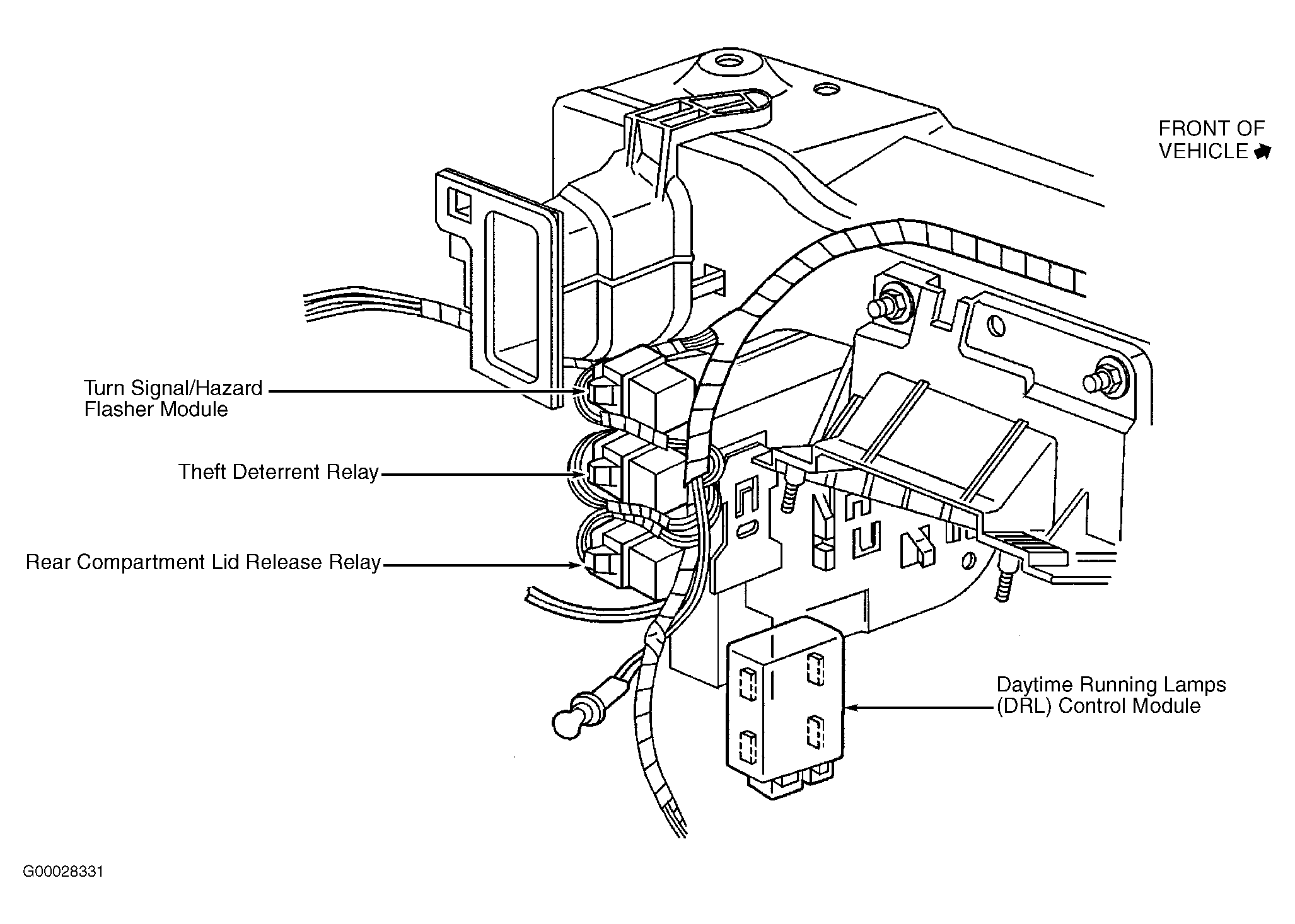
The flasher relay, also known as a turn signal relay, is a vital component in your vehicle's electrical system. Its primary function is to create the intermittent flashing of your turn signals and hazard lights, ensuring they effectively communicate your intentions to other drivers. Understanding its location, how to troubleshoot common issues, and perform basic maintenance can save you time and money, and ensure your safety on the road.
Locating the Elusive Flasher Relay
Finding the flasher relay can sometimes feel like a treasure hunt. Its location varies significantly depending on the make, model, and year of your car. However, there are a few common places to start your search:
Inside the Fuse Box
This is the most likely location. Check both the main fuse box, usually found under the hood near the engine, and the secondary fuse box, often located inside the passenger compartment (under the dashboard, near the steering column, or in the glove compartment). Once you've located the fuse boxes, consult your car's owner's manual for a diagram. The flasher relay is usually labeled as "turn signal relay," "flasher," or a similar designation. Sometimes it might even have a symbol of a lightbulb flashing.
Example: In many Honda Civics (2006-2011 models), the flasher relay is located in the under-dash fuse box, behind a small access panel. A diagram is printed on the inside of the panel door.
Under the Dashboard
If it's not in the fuse box, the flasher relay might be clipped or screwed to a bracket underneath the dashboard. You'll likely need to get down on your hands and knees and use a flashlight to inspect this area thoroughly. Look for a small, rectangular or cylindrical component, often made of plastic and having multiple terminals for electrical connections.
Example: Some older Ford F-150 trucks (1990s) have the flasher relay mounted to the steering column support bracket, behind the lower dashboard panel.
Near the Steering Column
Similar to under the dashboard, the flasher relay can sometimes be tucked away near the steering column itself. Again, access may require removing some trim panels.
Example: In certain Volkswagen Golf models (2010-2014), the flasher relay is located near the steering column, requiring the removal of the lower dashboard trim for access.
Behind the Glove Compartment
Some manufacturers hide the flasher relay behind the glove compartment. You'll need to empty the glove compartment and then carefully release the retaining clips or screws that hold it in place to access the area behind it.
Example: Certain Toyota Camry models (2007-2011) might have the flasher relay located behind the glove compartment, although this is less common than a fuse box location.
Important Note: Always disconnect the negative terminal of your car battery before working on any electrical components. This will prevent accidental short circuits and potential injury.
Troubleshooting Flasher Relay Problems
When your turn signals or hazard lights malfunction, the flasher relay is a prime suspect. Here are some common symptoms, their causes, and potential fixes:
Symptom: No Turn Signals or Hazard Lights
Possible Causes:
- Blown Fuse: This is the most common cause. A short circuit in the turn signal circuit can cause the fuse to blow.
- Faulty Flasher Relay: The relay itself may have failed internally.
- Wiring Issue: A broken or disconnected wire in the turn signal circuit.
- Faulty Turn Signal Switch: The switch on the steering column may be malfunctioning.
Troubleshooting and Solutions:
- Check the Fuse: Use your car's owner's manual to identify the correct fuse for the turn signals/hazard lights. Inspect the fuse for a broken filament. Replace it with a fuse of the same amperage. If the fuse blows again immediately, there's likely a short circuit in the wiring.
- Test the Flasher Relay: If the fuse is good, try replacing the flasher relay with a new one. These are relatively inexpensive and readily available at auto parts stores. Before buying, make sure you buy the correct type of flasher relay for your car. The original flasher relay should have a part number on it, you can match this part number with the new one.
- Inspect the Wiring: Visually inspect the wiring harness and connectors related to the turn signal system for any signs of damage, corrosion, or loose connections. Repair or replace damaged wires as needed. This is best left to a qualified mechanic if you're not comfortable working with electrical systems.
- Test the Turn Signal Switch: This requires a multimeter and knowledge of electrical testing procedures. A mechanic can diagnose a faulty turn signal switch and replace it.
Symptom: Turn Signals Flash Too Fast (Hyperflashing)
Possible Causes:
- Burned-Out Bulb: A common cause of hyperflashing is a burned-out turn signal bulb. When a bulb burns out, it reduces the load on the flasher relay, causing it to flash faster.
- Incorrect Bulb Type: Using the wrong type of bulb can also cause hyperflashing.
- LED Bulbs Without Resistors: When switching from incandescent bulbs to LED bulbs, the lower resistance of the LEDs can cause hyperflashing.
- Faulty Flasher Relay (Less Common): Although less common, a faulty flasher relay can sometimes cause hyperflashing.
Troubleshooting and Solutions:
- Check the Bulbs: Inspect all turn signal bulbs (front, rear, and side) to see if any are burned out. Replace any burned-out bulbs with the correct type of bulb.
- Verify Bulb Type: Ensure that you're using the correct type of bulb for your vehicle. Consult your car's owner's manual or an auto parts store.
- Install Resistors for LED Bulbs: If you've installed LED bulbs, you may need to install load resistors in parallel with the bulbs to simulate the load of incandescent bulbs. These resistors can be purchased at auto parts stores.
- Replace the Flasher Relay: If the bulbs are all good and the problem persists, try replacing the flasher relay with a relay specifically designed for LED bulbs or a standard relay known to be compatible with your vehicle.
Symptom: Turn Signals Flash Too Slowly
Possible Causes:
- Low Battery Voltage: A weak battery can cause the flasher relay to operate slowly.
- Corroded Connections: Corrosion on the battery terminals or wiring connectors can reduce voltage to the flasher relay.
- Faulty Flasher Relay: The relay itself may be failing.
Troubleshooting and Solutions:
- Check Battery Voltage: Have your battery tested to ensure it's providing adequate voltage.
- Clean Connections: Clean the battery terminals and wiring connectors with a wire brush to remove any corrosion.
- Replace the Flasher Relay: If the battery and connections are good, try replacing the flasher relay.
Symptom: Turn Signals Stay On Constantly (No Flashing)
Possible Causes:
- Faulty Flasher Relay: The relay may be stuck in the "on" position.
- Short Circuit: A short circuit in the turn signal wiring can cause the lights to stay on.
Troubleshooting and Solutions:
- Replace the Flasher Relay: This is the first and easiest step.
- Inspect the Wiring: Look for any signs of damaged or shorted wires in the turn signal circuit. This might require a professional.
Real-World Issues and Examples
Here are some examples of real-world scenarios and how to address them:
Scenario 1: A customer brings in a 2015 Chevrolet Cruze complaining that their turn signals aren't working. After checking the fuse box, the mechanic finds a blown fuse. He replaces the fuse, but it blows again as soon as the turn signal is activated. This indicates a short circuit in the wiring, likely in the turn signal stalk. The mechanic needs to trace the wiring and find the short, which might involve removing the steering column covers.
Scenario 2: A driver replaces the incandescent turn signal bulbs in their 2010 Toyota Corolla with LED bulbs. Now the turn signals flash rapidly. This is a classic case of hyperflashing due to the lower resistance of the LEDs. The solution is to install load resistors in parallel with the LED bulbs or replace the flasher relay with one designed for LED bulbs.
Scenario 3: A mechanic encounters a 2003 Jeep Grand Cherokee where the turn signals flash very slowly, and the battery seems weak. After testing the battery, it's determined to be nearing the end of its life. Replacing the battery resolves the slow flashing issue.
Keeping Your Car in Top Condition
Regular maintenance is key to preventing electrical problems and ensuring the longevity of your vehicle. Here are some tips:
- Regularly Check Your Lights: Make it a habit to check all your lights, including turn signals, brake lights, headlights, and taillights, on a regular basis.
- Keep Battery Terminals Clean: Clean the battery terminals regularly to prevent corrosion.
- Inspect Wiring: Periodically inspect the wiring harnesses under the hood and under the dashboard for any signs of damage or wear.
- Replace Bulbs Promptly: Don't wait until a bulb burns out completely before replacing it. Replace dimming bulbs to maintain optimal visibility.
- Consult Your Owner's Manual: Your owner's manual contains valuable information about your vehicle's electrical system, including fuse locations and bulb types.
- Don't Overload Circuits: Avoid plugging too many accessories into a single electrical circuit, as this can overload the circuit and blow a fuse.
- Seek Professional Help: If you're not comfortable working with electrical systems, it's always best to seek professional help from a qualified mechanic.
By understanding the flasher relay's location, how to troubleshoot common problems, and performing regular maintenance, you can keep your car's turn signals and hazard lights functioning properly, ensuring your safety and the safety of others on the road.