
Where Is The Fuel Pressure Sensor Located
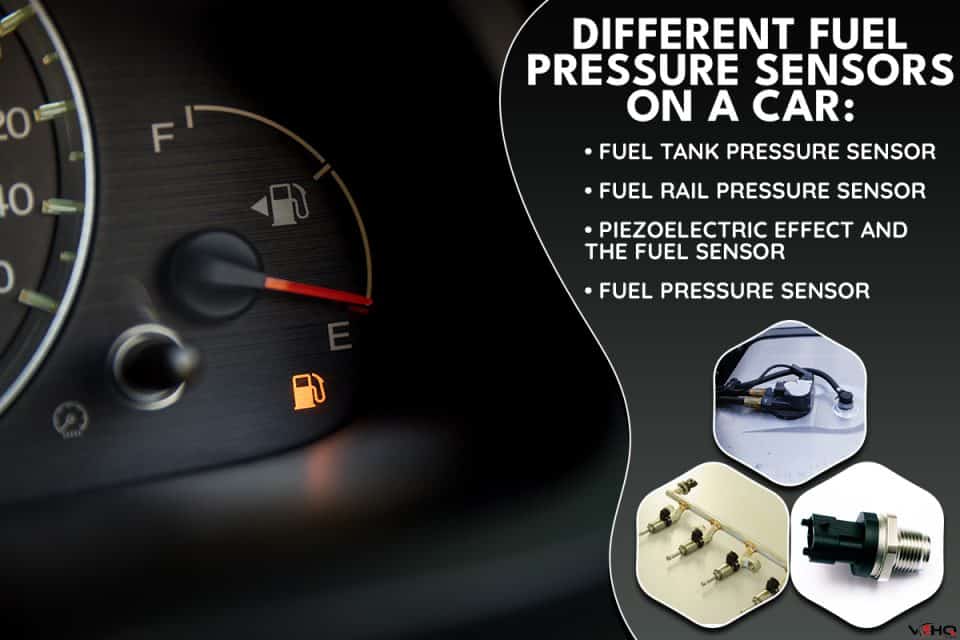
The fuel pressure sensor is a vital component in your car's fuel injection system, responsible for monitoring the fuel pressure in the fuel rail. It sends this data to the engine control unit (ECU), which uses it to optimize fuel delivery for efficient combustion. When the sensor malfunctions, it can lead to a variety of performance issues. Understanding its location, symptoms of failure, and troubleshooting steps is crucial for both car owners and mechanics.
Locating the Fuel Pressure Sensor
The location of the fuel pressure sensor varies depending on the make and model of your vehicle. However, it is most commonly found on the fuel rail itself, which is a metal tube that supplies fuel to the fuel injectors. It can also be located on the fuel line near the fuel rail, or, in some older vehicles, near the fuel pressure regulator.
- Ford F-150 (late models): Typically found on the fuel rail near the rear of the engine.
- Honda Civic (various years): Often located directly on the fuel rail, easily visible.
- Chevrolet Silverado: Usually positioned on the fuel rail, accessible after removing the engine cover.
A quick online search for your specific vehicle's year, make, and model will provide a more precise location. Consulting your car's repair manual is also highly recommended.
Symptoms of a Failing Fuel Pressure Sensor
A faulty fuel pressure sensor can manifest in several ways, often mimicking other engine problems. Recognizing these symptoms early can prevent more significant damage.
- Poor Engine Performance: The engine might hesitate during acceleration, lack power, or feel sluggish. This is due to the ECU receiving incorrect fuel pressure readings, leading to improper fuel delivery.
- Rough Idling: An unstable or erratic idle speed is a common symptom. The engine may stumble or even stall, especially when cold.
- Difficulty Starting: The engine may crank for an extended period before starting, or it may not start at all. Insufficient or excessive fuel pressure can prevent proper combustion.
- Check Engine Light (CEL): The most obvious sign is the illumination of the CEL on your dashboard. Diagnostic trouble codes (DTCs) related to fuel pressure (e.g., P0191, P0192, P0193) will be stored in the ECU.
- Fuel Efficiency Decrease: Incorrect fuel delivery can lead to wasted fuel, resulting in lower miles per gallon.
- Stalling: The engine might stall unexpectedly, especially when coming to a stop or during low-speed maneuvers.
Troubleshooting and Maintenance
Diagnosing a fuel pressure sensor issue requires a systematic approach. Here's a breakdown of common troubleshooting steps:
- Read Diagnostic Trouble Codes (DTCs): Use an OBD-II scanner to retrieve any stored DTCs. Common codes related to the fuel pressure sensor include P0190 (Fuel Rail Pressure Sensor Circuit Malfunction), P0191 (Fuel Rail Pressure Sensor Circuit Range/Performance), P0192 (Fuel Rail Pressure Sensor Circuit Low Input), and P0193 (Fuel Rail Pressure Sensor Circuit High Input). Note these codes down for further analysis.
- Inspect the Sensor and Wiring: Visually inspect the sensor for any physical damage, such as cracks or corrosion. Check the wiring harness and connector for loose connections, broken wires, or corrosion. Clean the connector with electrical contact cleaner.
- Test the Sensor's Voltage: Use a multimeter to check the voltage at the sensor connector. Refer to your vehicle's repair manual for the correct voltage specifications. An abnormal voltage reading indicates a faulty sensor or wiring issue.
- Check Fuel Pressure Manually: Connect a fuel pressure gauge to the fuel rail test port (if equipped). Compare the reading to the manufacturer's specifications. This helps determine if the issue is with the sensor or the actual fuel pressure.
- Sensor Replacement: If the sensor is faulty, replace it with a new one. Ensure you purchase a sensor that is compatible with your vehicle's make and model. Disconnect the negative battery terminal before replacing the sensor.
- Clear DTCs and Test: After replacing the sensor, clear the DTCs using the OBD-II scanner and test drive the vehicle to ensure the problem is resolved.
Real-World Issues and Solutions
Problem: A Ford F-150 experiences intermittent stalling and a P0191 code. Cause: The fuel pressure sensor connector is corroded, causing intermittent signal loss. Solution: Clean the connector with electrical contact cleaner, repair any damaged wiring, and apply dielectric grease to the connector before reassembling. If the problem persists, replace the sensor.
Problem: A Honda Civic has difficulty starting and a P0192 code. Cause: The fuel pressure sensor is sending a low voltage signal to the ECU, indicating low fuel pressure. This may be due to a failing fuel pump or a faulty sensor. Solution: Test the fuel pump pressure. If the fuel pump is functioning correctly, replace the fuel pressure sensor.
Problem: A Chevrolet Silverado exhibits rough idling and a P0193 code. Cause: The fuel pressure sensor is sending a high voltage signal to the ECU, indicating excessive fuel pressure. This can be caused by a faulty fuel pressure regulator (if equipped) or a defective sensor. Solution: Check the fuel pressure regulator. If the regulator is functioning correctly, replace the fuel pressure sensor.
Preventative Maintenance and Keeping Your Car in Top Condition
Regular maintenance is key to preventing fuel pressure sensor issues and keeping your car running smoothly. Here are some tips:
- Use Quality Fuel: Avoid using low-quality fuel that can contain contaminants that can damage fuel system components.
- Regular Fuel Filter Replacement: Replacing the fuel filter at the recommended intervals helps prevent debris from clogging the fuel injectors and damaging the fuel pressure sensor.
- Inspect Fuel Lines and Connections: Regularly inspect fuel lines and connections for leaks or damage. Repair any leaks promptly.
- Address Engine Problems Promptly: Addressing other engine problems, such as misfires or vacuum leaks, can help prevent strain on the fuel system and prolong the life of the fuel pressure sensor.
- Professional Inspections: Schedule regular inspections with a qualified mechanic to identify and address potential issues before they become major problems.
By understanding the function and location of the fuel pressure sensor, recognizing the symptoms of failure, and performing regular maintenance, you can help ensure your car's fuel system operates efficiently and reliably, preventing costly repairs down the road. Always consult a qualified mechanic if you are unsure about any repair procedures.