
Where Is The Output Speed Sensor Located
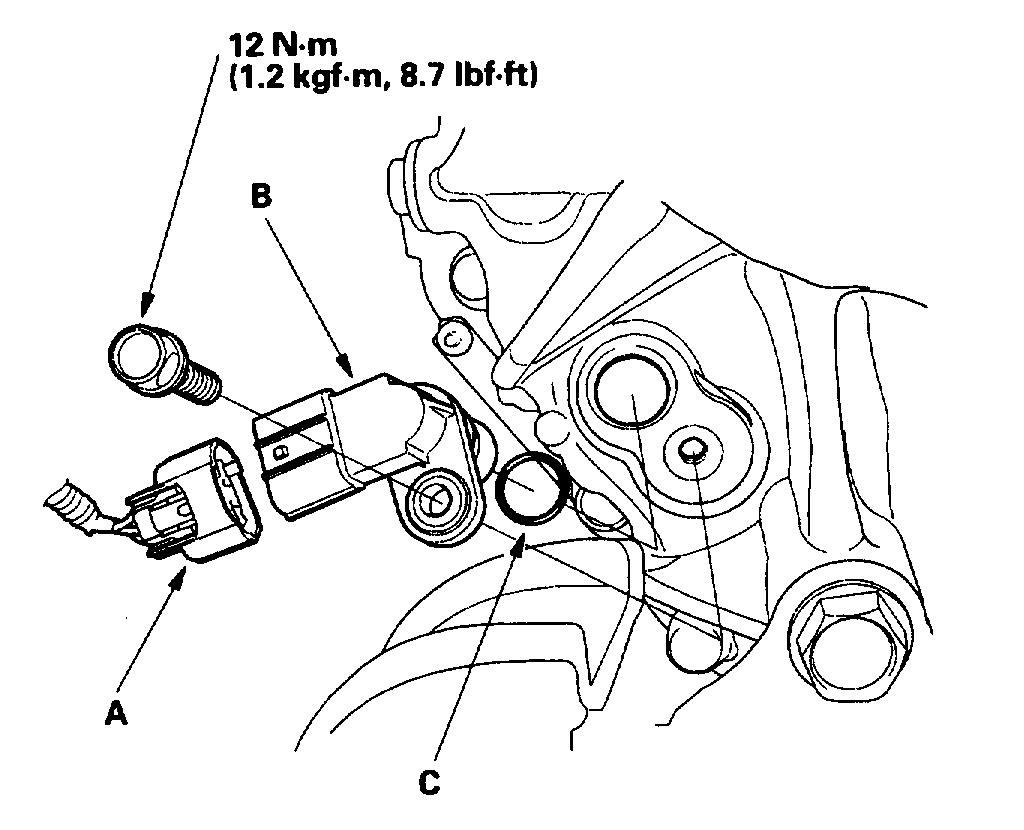
The output speed sensor (OSS), also known as the vehicle speed sensor (VSS) on some models, is a crucial component in your car's transmission system. It relays information about the transmission's output shaft speed to the vehicle's computer (ECU/PCM), which then uses this data for various functions, including speedometer operation, shift timing, torque converter lockup, and cruise control. Locating and understanding this sensor is vital for both car owners and mechanics for effective maintenance and troubleshooting.
Where to Find the Elusive Output Speed Sensor
The location of the OSS can vary depending on the vehicle's make, model, and transmission type (automatic or manual). However, there are some common locations:
- Automatic Transmissions: Typically, the OSS is found on the transmission's housing, often near the tail shaft or extension housing. It's usually held in place by a single bolt or screw. Look for a sensor with an electrical connector and wiring leading to it. On some front-wheel-drive vehicles, it might be integrated into the transaxle case.
- Manual Transmissions: The OSS location is similar to automatics – on the transmission housing, near the output shaft. However, its appearance and mounting style might differ slightly. Some manual transmissions may not even have a dedicated OSS and instead rely on ABS sensors to infer vehicle speed.
Examples:
- Honda Civic (Automatic): Typically located on the top of the transmission case, near where the axles connect.
- Ford F-150 (Automatic): Usually found on the rear of the transmission housing, near the tail shaft.
- Toyota Camry (Automatic): Can be located on either the side or the top of the transmission case, depending on the specific year and sub-model.
Note: Always consult your vehicle's repair manual or a reliable online database for the exact location of the OSS specific to your car model. A misdiagnosis based on incorrect sensor location can waste time and money.
Troubleshooting Common Output Speed Sensor Issues
A malfunctioning OSS can lead to a variety of drivability problems. Recognizing the symptoms is the first step towards a proper diagnosis.
Symptoms of a Failing Output Speed Sensor:
- Erratic Speedometer Readings: The speedometer might jump around, display incorrect speeds, or stop working altogether.
- Harsh or Erratic Shifting: The transmission may shift hard, shift at the wrong times, or fail to shift at all.
- Torque Converter Lockup Problems: The torque converter might not lock up at highway speeds, leading to reduced fuel economy.
- Cruise Control Malfunctions: The cruise control system might not engage or disengage erratically.
- Check Engine Light: The Check Engine Light (CEL) will likely illuminate, and a diagnostic trouble code (DTC) related to the OSS (e.g., P0720, P0721, P0722, P0723) will be stored in the ECU/PCM.
- ABS/Traction Control Issues: In some cases, a faulty OSS can interfere with the ABS or traction control systems, as these systems also rely on vehicle speed information.
Common Causes of OSS Failure:
- Sensor Failure: The sensor itself can fail due to age, wear and tear, or internal damage.
- Wiring Issues: Damaged, corroded, or loose wiring to the sensor can disrupt the signal.
- Connector Problems: A corroded or damaged connector can prevent the sensor from communicating with the ECU/PCM.
- Transmission Problems: In rare cases, internal transmission damage can affect the OSS's ability to read the output shaft speed accurately.
Diagnosis and Solutions:
- Scan for Diagnostic Trouble Codes (DTCs): Use an OBD-II scanner to retrieve any stored DTCs. This will help pinpoint the problem.
- Inspect the Sensor and Wiring: Visually inspect the OSS, its connector, and the associated wiring for any signs of damage, corrosion, or looseness. Clean the connector with electrical contact cleaner.
- Test the Sensor's Resistance: Use a multimeter to measure the sensor's resistance. Compare the reading to the manufacturer's specifications. An out-of-range reading indicates a faulty sensor.
- Check for Voltage at the Connector: With the ignition on, use a multimeter to check for voltage at the connector. A lack of voltage indicates a wiring or power supply problem.
- Inspect the Tone Wheel/Reluctor Ring: The OSS relies on a tone wheel (reluctor ring) on the output shaft to generate a signal. Inspect the tone wheel for damage or debris.
- Replace the Sensor: If the sensor is found to be faulty, replace it with a new one. Ensure the replacement sensor is compatible with your vehicle's make and model.
- Repair Wiring or Connector: If the wiring or connector is damaged, repair or replace it as needed.
- Clear DTCs and Test Drive: After making repairs, clear the DTCs and test drive the vehicle to ensure the problem is resolved.
Example Scenario:
A 2010 Toyota Camry exhibits erratic speedometer readings and harsh shifting. The Check Engine Light is on, and a scan reveals code P0720 (Output Speed Sensor Circuit Malfunction). Upon inspection, the OSS connector is found to be corroded. Cleaning the connector and applying dielectric grease resolves the issue. The code is cleared, and the car shifts smoothly.
Maintenance and Prevention
While OSS failures are often unavoidable, there are steps you can take to minimize the risk:
- Regular Transmission Service: Follow the manufacturer's recommended transmission service intervals, including fluid changes and filter replacements. Clean transmission fluid helps keep the OSS clean and functioning properly.
- Inspect Wiring Regularly: Periodically inspect the wiring and connectors around the transmission for any signs of damage or corrosion.
- Address Leaks Promptly: Repair any transmission fluid leaks promptly to prevent fluid from contaminating the OSS or its wiring.
- Avoid Harsh Driving: Aggressive acceleration and braking can put extra stress on the transmission and its components, potentially shortening the lifespan of the OSS.
By understanding the location of the output speed sensor, recognizing the symptoms of failure, and performing regular maintenance, car owners and mechanics can ensure the proper functioning of the transmission system and keep vehicles running smoothly for years to come. Remember to always consult your vehicle's service manual for specific instructions and torque specifications. A little preventative maintenance can save you from costly repairs down the road.