
Where Is The Throttle Body Sensor Located
Experiencing rough idling, poor acceleration, or a check engine light that just won't go away? There's a good chance the culprit could be a faulty throttle body sensor. But before you rush to the repair shop, let's talk about this vital component, its location, and what you can do to troubleshoot it yourself.
Understanding the Throttle Body Sensor's Role
The throttle body sensor, also known as the Throttle Position Sensor (TPS), is a crucial part of your engine's management system. Its primary job is to monitor the position of the throttle plate – the valve that controls the amount of air entering the engine. The TPS sends this information to the engine control unit (ECU), which then uses it to determine the correct amount of fuel to inject for optimal combustion.
Think of it like this: your engine needs the right air/fuel mixture to run smoothly. The TPS is the messenger that tells the ECU how much air is flowing in, allowing it to adjust the fuel accordingly. When the TPS malfunctions, the ECU receives inaccurate data, leading to a host of performance problems.
Locating the Throttle Body Sensor: A Step-by-Step Guide
Okay, let's get down to business. Finding the throttle body sensor is usually a straightforward process. Here's a general guide, but remember that specific locations can vary slightly depending on your vehicle's make and model. Always consult your vehicle's repair manual for the most accurate information.
Step 1: Identify the Throttle Body
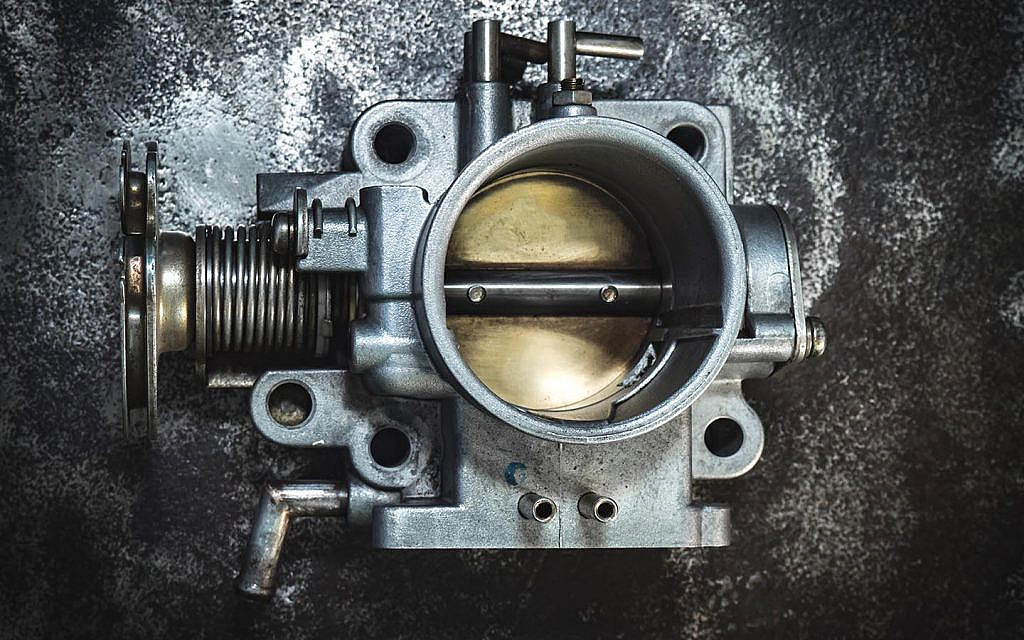
First things first, you need to locate the throttle body itself. It's usually found between the air filter box and the intake manifold. Follow the large air intake tube coming from the air filter; it will lead directly to the throttle body. The throttle body is a metal housing with a butterfly valve (the throttle plate) inside.
Step 2: Look for the Sensor on the Throttle Body
The TPS is typically mounted directly on the throttle body housing. It's usually a small, rectangular or oval-shaped sensor with a wiring harness connected to it. Look for it on the side or top of the throttle body. You'll likely see screws or bolts securing it in place.
Pro Tip: If you're having trouble spotting it, try searching online for images of your vehicle's throttle body and TPS. This can provide a visual reference to help you pinpoint its location.
Step 3: Consider Common Locations
While the exact placement can vary, here are a few common locations for the TPS:
- Directly on the Throttle Body Shaft: Many vehicles have the TPS mounted directly onto the shaft that controls the throttle plate.
- Adjacent to the Throttle Cable: Some models position the TPS near the throttle cable linkage.
- Integrated into the Throttle Body Assembly: In some newer vehicles, the TPS may be integrated into the throttle body assembly itself, making it less easily identifiable as a separate component.
Important Safety Note: Always disconnect the negative terminal of your car battery before working on any electrical components. This will help prevent accidental shorts and potential injury.
Symptoms of a Failing Throttle Body Sensor
Recognizing the symptoms of a failing TPS is crucial for accurate diagnosis. Here are some common signs:
- Rough or Unstable Idle: The engine may idle erratically, surge up and down, or even stall.
- Poor Acceleration: The engine may hesitate or lack power when you try to accelerate.
- Hesitation or Stumbling: You might experience hesitation or stumbling during acceleration, especially at low speeds.
- Check Engine Light: A faulty TPS often triggers the check engine light, and a diagnostic scan will reveal a code related to the TPS (e.g., P0121, P0122, P0123).
- Increased Fuel Consumption: Inaccurate TPS readings can lead to the ECU injecting too much fuel, resulting in poor fuel economy.
- Transmission Problems: In some vehicles, the TPS signal is also used by the transmission control unit (TCU). A faulty TPS can cause shifting problems, such as harsh shifts or delayed shifts.
Troubleshooting and Potential Solutions
If you suspect a faulty TPS, here are a few troubleshooting steps you can take:
1. Visual Inspection
Carefully inspect the TPS and its wiring harness for any signs of damage, such as cracks, frayed wires, or corrosion. Clean any corrosion you find using a wire brush and electrical contact cleaner.
2. Check the Wiring Harness
Make sure the wiring harness is securely connected to the TPS. Loose or damaged connectors can cause intermittent problems.
3. Use a Multimeter
A multimeter can be used to test the TPS's voltage output. Consult your vehicle's repair manual for the correct voltage readings and testing procedure. This requires some electrical knowledge.
4. Scan for Diagnostic Trouble Codes (DTCs)
Use an OBD-II scanner to check for any trouble codes related to the TPS. This will help confirm the diagnosis and provide valuable information about the nature of the problem.
5. Consider Replacement
If the TPS is indeed faulty, the best solution is usually replacement. Replacing the TPS is generally a straightforward procedure, but it's important to use the correct replacement part for your vehicle.
Replacing the Throttle Body Sensor: A DIY Option?
Replacing the TPS is often a DIY-friendly task for those with some mechanical experience. Here's a general overview of the process:
- Disconnect the negative battery cable.
- Locate the TPS on the throttle body.
- Disconnect the wiring harness from the TPS.
- Remove the screws or bolts securing the TPS to the throttle body.
- Carefully remove the old TPS.
- Install the new TPS, ensuring it's properly aligned.
- Tighten the screws or bolts to the specified torque.
- Reconnect the wiring harness.
- Reconnect the negative battery cable.
- Clear any diagnostic trouble codes.
Important: Some vehicles require you to perform a throttle position sensor relearn procedure after replacing the TPS. This allows the ECU to learn the new TPS's voltage range. Consult your vehicle's repair manual for specific instructions.
Estimated Repair Costs
If you prefer to have a professional mechanic replace the TPS, the cost will vary depending on the vehicle make and model, as well as the shop's labor rates. Here's a rough estimate:
- TPS Replacement: $100 - $300 (including parts and labor)
- TPS Part Cost: $30 - $150 (depending on the brand and quality)
Note: These are just estimates. It's always best to get a quote from a reputable mechanic before proceeding with the repair.
Tools You Might Need
Here's a list of common tools you might need for TPS troubleshooting and replacement:
- Socket set or wrenches
- Screwdrivers (Phillips and flathead)
- Multimeter
- OBD-II scanner
- Electrical contact cleaner
- Torque wrench (for tightening screws/bolts to the correct torque)
Final Thoughts
A faulty throttle body sensor can cause a variety of performance problems. By understanding its location, symptoms, and troubleshooting steps, you can diagnose the issue and potentially save money by performing the repair yourself. However, if you're not comfortable working on your vehicle, it's always best to consult with a qualified mechanic. Remember to always consult your vehicle's repair manual for specific instructions and safety precautions.