
Where Is The Tire Pressure Sensor Located
The Tire Pressure Monitoring System (TPMS) has become a ubiquitous feature on modern vehicles, enhancing safety and fuel efficiency by alerting drivers to under-inflated tires. While most drivers are familiar with the warning light, fewer understand the intricacies of the system, particularly the location and construction of the tire pressure sensors themselves. This article delves into the specifics of where these crucial sensors reside within your vehicle’s wheel assembly.
Direct TPMS: The Inside Story
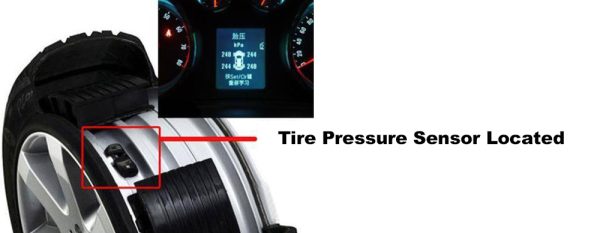
The most common type of TPMS is the direct TPMS, which uses physical sensors mounted inside each wheel. These sensors directly measure the tire pressure and temperature, transmitting this data wirelessly to the vehicle's computer. Knowing precisely where these sensors are located within the wheel is essential for tire technicians and anyone performing wheel service.
In a direct TPMS system, the tire pressure sensor is typically integrated with the valve stem. Think of it as a single unit combining the function of inflating and deflating the tire with the ability to monitor its internal pressure. This combined unit is then mounted inside the wheel, replacing a standard valve stem. The sensor body is situated inside the tire cavity, protected to some extent from external damage, but constantly exposed to the internal environment of the tire.
The sensor itself is usually affixed to the valve stem with a screw or some other form of mechanical fastener. The material used in the valve stem and sensor housing is often aluminum, or a specialized plastic composite, to minimize weight and prevent corrosion. The exact design and materials can vary depending on the vehicle manufacturer and the specific TPMS supplier (e.g., Schrader, VDO, Pacific Industrial).
Looking at the sensor inside the tire, you'll typically see a small, rectangular or disc-shaped module containing the pressure sensor, a temperature sensor (in some models), a microchip for processing the data, and a small battery to power the whole unit. This battery is a sealed, non-replaceable component, and its lifespan is one of the primary limiting factors of the sensor's overall service life (typically 5-10 years). Once the battery dies, the entire sensor needs replacement.
Indirect TPMS: A Different Approach
While less common, indirect TPMS represents an alternative approach. Instead of dedicated sensors inside the wheels, this system relies on the vehicle's Anti-lock Braking System (ABS) and Electronic Stability Control (ESC) to infer tire pressure. These systems monitor the rotational speed of each wheel. A deflating tire will have a smaller diameter and therefore rotate slightly faster than the other tires. By comparing wheel speeds, the vehicle's computer can detect a pressure loss without the need for physical sensors inside the tires.
In an indirect TPMS system, there are no actual pressure sensors mounted in the wheels. All the "sensing" is done by the existing ABS and ESC systems. Therefore, there's no need to locate a sensor inside the tire. The relevant components are the wheel speed sensors, which are typically mounted near the wheel hubs and are already part of the braking system.
Implications for Tire Service and Maintenance
Understanding the location of tire pressure sensors is crucial for anyone working on tires. When removing or installing tires, technicians need to be extremely careful not to damage the sensor. Careless use of tire levers or mounting machines can easily break the sensor housing, valve stem, or the internal electronics. This is why proper training and the use of specialized tools are essential.
Furthermore, when replacing tires, it's often recommended to replace the TPMS service kit, which includes new valve cores, valve caps, and sealing washers. These components can corrode or deteriorate over time, leading to leaks and TPMS malfunctions. Replacing them ensures a proper seal and prolongs the lifespan of the sensor.
Finally, after any tire service involving TPMS sensors, it's necessary to use a TPMS diagnostic tool to verify that the sensors are functioning correctly and that the vehicle's computer is recognizing them. The tool can also be used to relearn the sensor IDs if they have been changed or if the sensors have been moved to different wheel locations.
In conclusion, the tire pressure sensor in a direct TPMS system is typically integrated with the valve stem and mounted inside the wheel. Indirect systems rely on ABS and ESC, eliminating the need for dedicated in-wheel sensors. Proper handling and maintenance are essential to ensure the long-term reliability of these critical safety systems.