
Where To Connect Jumper Cables On Battery
Where To Connect Jumper Cables On A Battery: A Step-by-Step Guide
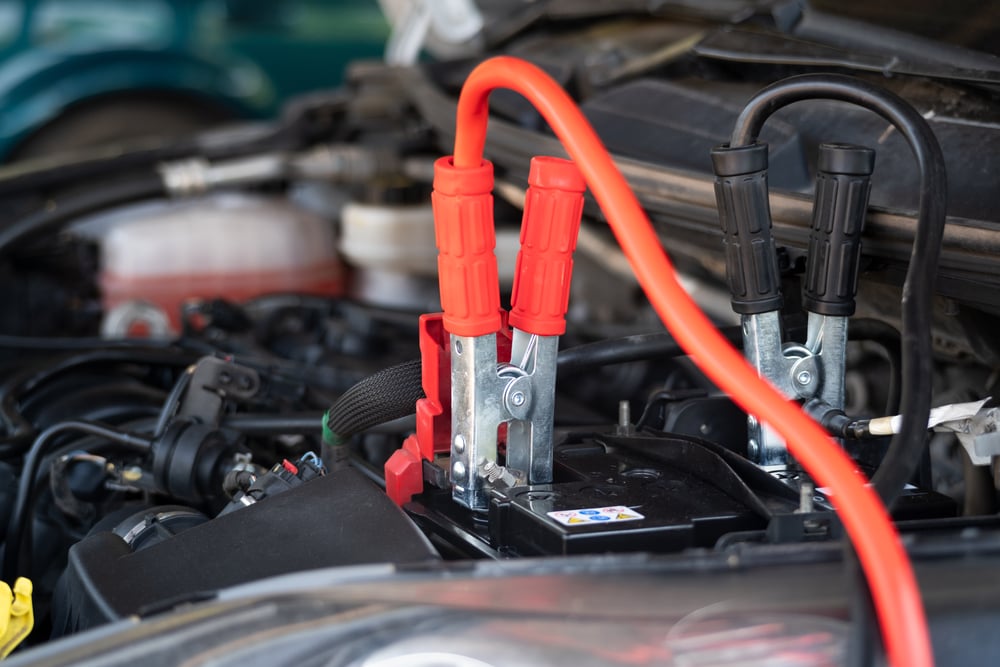
Finding yourself with a dead battery can be frustrating, but knowing how to properly jump-start a car is a valuable skill. Connecting jumper cables correctly is crucial, not only for getting your car running again but also for ensuring your safety and preventing damage to either vehicle. This guide provides a clear, step-by-step process on where to connect jumper cables on a battery, covering essential safety precautions and troubleshooting tips.
Safety First!
Before you even think about connecting jumper cables, safety should be your top priority. Working with car batteries involves electricity and potentially explosive gases, so heed these warnings:
- Read your owner's manuals: Familiarize yourself with the recommended jump-starting procedures for both the dead car and the assisting car. Some vehicles have specific jump-starting points.
- Wear eye protection: Safety glasses or goggles are essential to protect your eyes from battery acid splashes.
- Wear gloves: Acid-resistant gloves will protect your hands.
- No smoking or open flames: Battery gases are highly flammable. Keep all sources of ignition away from the battery.
- Ensure proper ventilation: Perform the jump-start in a well-ventilated area.
- Inspect the cables: Make sure the jumper cables are in good condition, with no cracks or exposed wires. Damaged cables can be dangerous.
- Check battery condition: If the battery is visibly cracked, leaking, or bulging, do not attempt to jump-start it. Call a professional.
Gathering Your Supplies
Before you begin, gather the necessary items:
- A set of jumper cables (heavy-duty cables are recommended)
- Safety glasses or goggles
- Acid-resistant gloves
- Your vehicle owner's manuals
Step-by-Step Guide: Connecting Jumper Cables
Follow these steps carefully to safely and effectively jump-start your car:
- Position the vehicles: Park the assisting vehicle close enough to the dead vehicle so that the jumper cables can easily reach both batteries. Do not let the vehicles touch each other. Turn off both ignitions.
- Locate the batteries: Identify the positive (+) and negative (-) terminals on both batteries. They are usually marked with "+" and "-" symbols. If the terminals are corroded, clean them with a wire brush or a battery terminal cleaner before proceeding.
- Connect the positive (+) cable to the dead battery: Attach one red clamp to the positive (+) terminal of the dead battery. Ensure a secure connection.
- Connect the other positive (+) cable to the good battery: Attach the other red clamp to the positive (+) terminal of the good battery in the assisting vehicle.
- Connect the negative (-) cable to the good battery: Attach one black clamp to the negative (-) terminal of the good battery.
- Connect the final negative (-) cable to a grounded metal surface: This is the most critical step for safety. Do not connect the remaining black clamp to the negative (-) terminal of the dead battery. Instead, connect it to a clean, unpainted metal part of the dead car's engine block or frame, away from the battery and fuel lines. This provides a ground and minimizes the risk of sparks igniting battery gases. A good grounding point is often a metal strut or a bolt on the engine block.
Starting the Vehicles
Once the cables are connected correctly:
- Start the assisting vehicle: Let the assisting vehicle run for a few minutes to charge the dead battery.
- Attempt to start the dead vehicle: Try to start the dead vehicle. If it doesn't start immediately, let the assisting vehicle run for a few more minutes and try again. Do not crank the engine of the dead vehicle for more than 15 seconds at a time. Let it rest for a few minutes between attempts.
Disconnecting the Jumper Cables
If the dead vehicle starts, carefully disconnect the jumper cables in the reverse order of connection:
- Disconnect the black clamp from the grounded metal surface on the now-started vehicle.
- Disconnect the black clamp from the negative (-) terminal of the good battery.
- Disconnect the red clamp from the positive (+) terminal of the good battery.
- Disconnect the red clamp from the positive (+) terminal of the now-started vehicle's battery.
After the Jump-Start
After jump-starting your car, it's crucial to take the following steps:
- Let the car run: Allow the jump-started vehicle to run for at least 20-30 minutes to allow the alternator to recharge the battery. Driving the car is better than idling, as it puts more load on the alternator.
- Get your battery tested: Have your battery tested by a qualified mechanic as soon as possible. A jump-start is a temporary fix, and a weak or failing battery will likely cause problems again.
- Check your charging system: The mechanic should also check your car's charging system (alternator) to ensure it is functioning properly. A faulty alternator can prevent the battery from recharging correctly.
Troubleshooting Tips
Here are some common issues you might encounter and how to address them:
- The car still won't start after jump-starting:
- Check the connections: Ensure all clamps are securely attached to the terminals and grounding point.
- Check the jumper cables: Make sure the cables are thick enough and in good condition. Thin or damaged cables may not carry enough current.
- Consider other issues: The problem may not be the battery. Other potential causes include a faulty starter motor, a blown fuse, or a fuel system problem.
- Sparks when connecting the last cable:
- This is normal, but excessive sparking could indicate a poor connection or a problem with the electrical system. Ensure the grounding point is clean and secure. If sparks are excessive, double-check the connection sequence.
Why Connecting to the Ground is Important
Connecting the final negative cable to a grounded metal surface away from the battery is a safety precaution designed to minimize the risk of a battery explosion. Batteries, especially when being charged or discharged, can release hydrogen gas, which is highly flammable. Connecting the negative cable directly to the negative terminal of the dead battery creates a spark right next to the battery, increasing the chance of igniting the hydrogen gas. By grounding the connection away from the battery, the spark is moved further away, reducing the risk.
By following these steps and taking the necessary precautions, you can safely and effectively jump-start a car battery and get back on the road. Remember to always prioritize safety and consult a professional mechanic if you are unsure about any part of the process.
Disclaimer: This guide provides general information and should not be considered a substitute for professional advice. Always consult your vehicle owner's manual and follow the manufacturer's recommendations.