
Where To Find Your Paint Code On Your Car
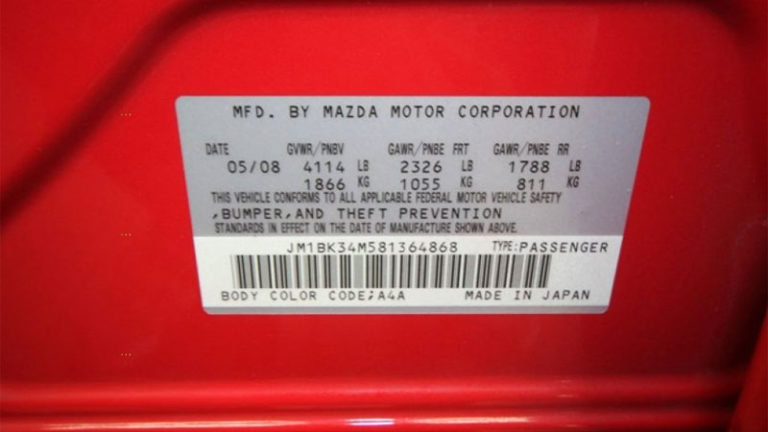
For the automotive enthusiast, shade-tree mechanic, or seasoned professional, knowing your car's paint code is crucial. Whether you're touching up a scratch, blending in a new panel, or simply curious about the exact hue adorning your ride, the paint code unlocks a world of perfect color matching. But finding it can sometimes feel like a treasure hunt. This article serves as your map, guiding you to the most common hiding spots for your vehicle's all-important paint code.
Why is the Paint Code Important?
Simply stating "red" or "blue" isn't enough when dealing with automotive paint. There are countless shades of each color, each with subtle variations in hue, undertones, and metallic flake. The paint code, a unique alphanumeric identifier, precisely defines the exact formulation of the paint used on your vehicle at the factory. This ensures a perfect match when ordering touch-up paint, aerosols, or larger quantities for bodywork. Using the wrong paint code can result in a mismatched repair that significantly detracts from your car's appearance and potentially devalues it.
Common Locations for Finding Your Paint Code
Manufacturers typically place the paint code on a sticker or plate located in one of several key areas. Here's a rundown of the most likely suspects:
- Driver's Side Door Jamb: This is arguably the most common location. Check the door jamb, specifically the area around the latch post or on the door itself near the hinge. The sticker will often contain other vehicle information, such as the VIN (Vehicle Identification Number), tire pressures, and gross vehicle weight rating (GVWR). Look for a section labeled "Color Code," "Paint Code," or something similar.
- Under the Hood: In some vehicles, the paint code can be found on a sticker or plate under the hood, typically on the radiator support, the firewall, or the strut towers. Look carefully, as the sticker may be small and easily overlooked.
- Inside the Glove Box: Some manufacturers, particularly on older models, placed the paint code inside the glove box, either on the door or on the side wall.
- Spare Tire Well: While less common, the spare tire well can sometimes be a hiding place, particularly on hatchbacks and SUVs. You might need to remove the spare tire to access the sticker.
- Vehicle's Manual/Service Booklet: Check the owner's manual or service booklet. Some manufacturers include the paint code in these documents, although this isn't always reliable as they can be easily misplaced.
Decoding the Paint Code
Once you've located the sticker, you'll need to decipher the paint code itself. The format varies depending on the manufacturer. Some use simple alphanumeric codes (e.g., "WA8555" for GM vehicles), while others employ more complex systems. The sticker may also contain additional information, such as the paint manufacturer (e.g., PPG, DuPont) and the type of paint (e.g., base coat/clear coat). When ordering paint, be sure to provide the entire code, including any prefixes or suffixes, to ensure an exact match. For example, a Toyota paint code might look like "070," while a Honda code could be "NH-731P."
What if You Can't Find the Paint Code?
If you've searched all the common locations and still haven't found the paint code, don't despair. Here are a few alternative options:
- Contact Your Local Dealership: Provide the dealership with your vehicle's VIN. They can access the vehicle's build sheet and retrieve the paint code.
- Use an Online Paint Code Lookup Tool: Several websites offer paint code lookup tools. You'll typically need to enter your vehicle's year, make, and model. However, be aware that the accuracy of these tools can vary.
- Consult a Professional Auto Body Shop: A skilled auto body technician can use a spectrophotometer to analyze the paint on your vehicle and determine the closest matching paint code. This is a reliable option, especially for older vehicles where the original paint may have faded or changed color over time.
Real-World Examples and Considerations
Let's consider a practical scenario. Imagine you own a 2015 Ford Mustang and need to touch up a small scratch on the door. You check the driver's side door jamb and find a sticker that says "Color: PQ." This "PQ" is your paint code, representing "Race Red." When ordering touch-up paint, you'd specify "Ford PQ" or "Race Red" to ensure a perfect match.
Another scenario: you're restoring a classic 1967 Chevrolet Camaro. The original paint code sticker is missing. You contact your local Chevrolet dealership with the VIN, and they provide you with the original paint code, confirming that the car was originally painted "Ermine White."
Important Note: Even with the correct paint code, slight variations in color can occur due to factors like paint age, fading, and application techniques. For larger repairs, it's always recommended to blend the new paint into adjacent panels to ensure a seamless finish. Always test the paint in an inconspicuous area before applying it to the entire repair area.
Finding your car's paint code is a fundamental step in maintaining its appearance and value. By following these guidelines and utilizing the available resources, you can confidently identify the correct paint code and achieve a flawless repair, whether you're a seasoned professional or a passionate car enthusiast.