
Where To Get Remote Car Starter Installed
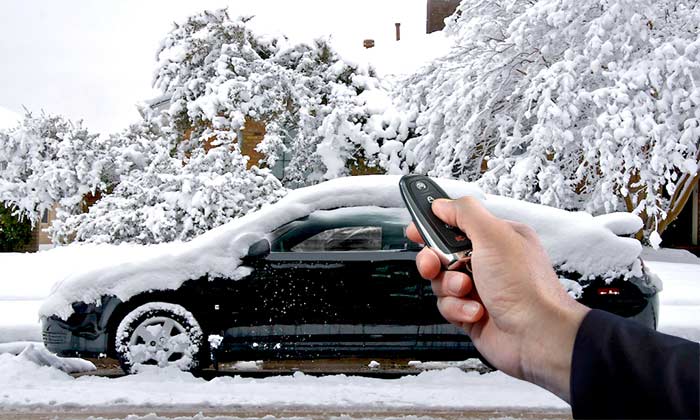
So, you're looking to upgrade your ride with a remote car starter? Smart move! Especially if you live where winter bites or summer scorches. But where do you actually get one installed? The good news is you have options, each with its own pros and cons. This article will break down those options, highlighting factors like cost, quality of installation, and warranty coverage. Consider this your comprehensive guide to finding the right installer for your specific needs and vehicle.
Dealership Installation: The OEM Route
Your first thought might be to head straight to the dealership. This is the OEM (Original Equipment Manufacturer) route. Dealerships often offer remote starter systems specifically designed for your make and model. This comes with several advantages:
- Guaranteed Compatibility: Since the system is designed for your car, compatibility issues are rare. The starter will integrate seamlessly with your car's existing electronics, including the CAN (Controller Area Network) bus), which is the central nervous system of modern vehicles.
- Warranty Coverage: A dealership-installed system often comes with a warranty that covers both the parts and the labor. This is a significant advantage if anything goes wrong. This is usually incorporated within your vehicle's broader warranty.
- Proper Integration: Dealership technicians are trained specifically on your vehicle. They understand the intricacies of its electrical system and can ensure a clean and professional installation. This includes properly bypassing the immobilizer, which is an anti-theft system that prevents the car from starting without the correct key.
However, dealership installations also have drawbacks:
- Higher Cost: Dealerships generally charge more for both the parts and the labor compared to other options. You're paying for the OEM name and the specialized expertise.
- Limited Selection: You're typically limited to the remote starter systems that the dealership offers. You might not have a choice regarding features like range, two-way communication, or smartphone integration.
Technical Note: Many modern vehicles require a transponder bypass module to be installed alongside the remote starter. This module essentially tricks the car into thinking the key is present, allowing it to start remotely. Dealerships typically handle this seamlessly.
Car Audio/Electronics Shops: The Aftermarket Specialists
Car audio and electronics shops are another popular choice for remote starter installation. These shops specialize in aftermarket accessories and often have a wider selection of remote starter systems to choose from. This provides more flexibility in finding a system that meets your specific needs and budget.
Here's what to consider when choosing this route:
- Wider Selection: Aftermarket shops offer a variety of brands and models, ranging from basic systems to high-end options with advanced features like two-way communication, smartphone control, and extended range. Brands like Compustar, Viper, and Avital are common.
- Potentially Lower Cost: Prices can be more competitive compared to dealerships, especially if you're willing to shop around and compare quotes.
- Customization: You can often customize the installation to your liking. For example, you might be able to add features like door lock/unlock control or trunk release.
However, there are also potential downsides:
- Variable Quality: The quality of the installation can vary depending on the shop and the technician. It's crucial to research the shop's reputation and read online reviews. Ask about the technician's experience and qualifications.
- Warranty Concerns: Warranty coverage may be limited or may not cover damage caused by improper installation. Carefully review the warranty terms before committing to the installation.
- Compatibility Issues: While aftermarket systems are generally designed to be compatible with a wide range of vehicles, compatibility issues can still arise. Make sure the shop guarantees compatibility and offers a refund if the system doesn't work properly.
Technical Note: When choosing an aftermarket system, pay attention to the RF (Radio Frequency) technology used. Two-way systems provide confirmation that the car has started, while one-way systems only send a signal to start the car. The range of the system is also an important factor, especially if you live in an apartment or work in a large building.
Mobile Installers: Convenience at Your Doorstep
Mobile installers offer the convenience of having your remote starter installed at your home or office. This can be a great option if you don't have the time or the inclination to take your car to a shop.
Advantages of using a mobile installer:
- Convenience: The installer comes to you, saving you time and hassle.
- Personalized Service: You can often work directly with the installer to discuss your needs and preferences.
Disadvantages to keep in mind:
- Finding a Reputable Installer: It's crucial to find a mobile installer with a proven track record. Check online reviews and ask for references.
- Limited Facilities: Mobile installers may not have access to the same tools and equipment as a shop, which could limit the complexity of the installation.
- Warranty Concerns: Warranty coverage may be limited or difficult to enforce. Make sure the installer is insured and offers a warranty on their work.
Technical Note: Ensure the mobile installer uses proper wiring techniques and secure connections. Poor wiring can lead to electrical problems and even damage to your vehicle. They should be using things like butt connectors and proper heat shrinking where necessary for wire connections.
DIY Installation: The Risky (But Rewarding) Route
If you're an experienced DIYer with a solid understanding of automotive electrical systems, you might consider installing the remote starter yourself. This can save you money, but it's also the riskiest option. Proceed with caution!
Reasons to consider DIY:
- Cost Savings: You'll only pay for the parts, which can be significantly cheaper than a professional installation.
- Personal Satisfaction: There's a sense of accomplishment in installing something yourself.
Reasons to avoid DIY (unless you're highly qualified):
- Complexity: Remote starter installation can be complex, especially on modern vehicles with sophisticated electrical systems.
- Risk of Damage: Improper installation can damage your vehicle's electrical system, potentially leading to costly repairs. This includes things like short circuits or frying the ECU.
- Warranty Voidance: Installing a remote starter yourself may void your vehicle's warranty.
- Time Commitment: Expect to spend several hours on the installation, even if you're experienced.
Warning: Improper wiring can cause significant damage to your vehicle's electrical system, potentially leading to fires or rendering your car inoperable. If you're not comfortable working with electrical systems, leave the installation to a professional.
Technical Note: If you decide to DIY, make sure to purchase a high-quality remote starter system that comes with detailed installation instructions and wiring diagrams. You'll also need a good multimeter, wire strippers, crimpers, and other basic electrical tools. Research your specific vehicle thoroughly. Sites like online forums often have detailed walk-throughs from other DIYers.
Key Considerations Before Making a Decision
Regardless of which option you choose, consider these factors:
- Your Budget: Set a budget and stick to it. Get quotes from multiple installers before making a decision.
- Your Vehicle: Some vehicles are more difficult to install remote starters on than others. Research your specific vehicle and choose an installer with experience working on it.
- Your Needs: Consider your needs and preferences when choosing a remote starter system. Do you need long range? Two-way communication? Smartphone control?
- Warranty: Carefully review the warranty terms before committing to an installation. Make sure the warranty covers both parts and labor.
- Reputation: Research the installer's reputation and read online reviews. Ask for references and check with the Better Business Bureau.
By carefully considering these factors, you can find the right installer and enjoy the convenience of a remote car starter for years to come.