
Why Did Datsun Change To Nissan
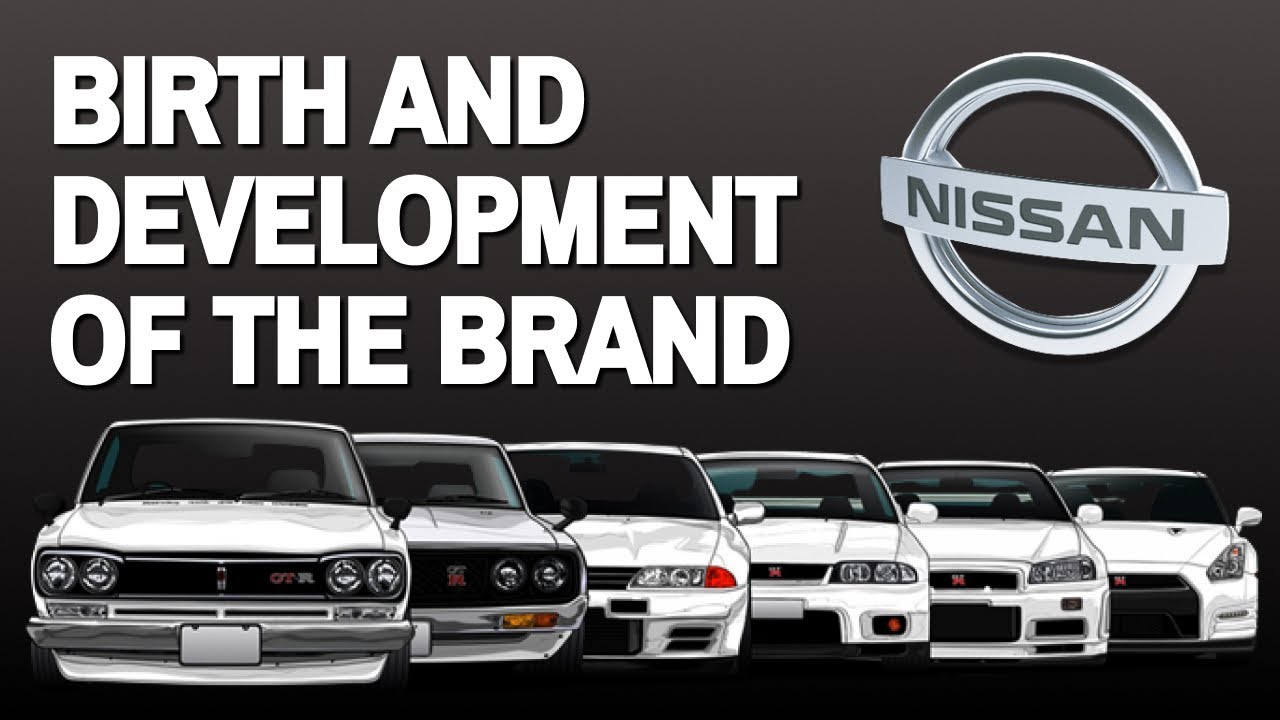
Okay, let's dive into a question that has puzzled many a classic car enthusiast: Why did Datsun, a name synonymous with reliable and affordable Japanese imports, vanish and become Nissan? It's a story that blends marketing strategy, corporate identity, and global expansion, and we're going to break it down piece by piece.
The Datsun Origins: A Brand for Export
To understand the change, we need to go back to the beginning. In 1914, Kwaishinsha Motorcar Works, founded by Masujiro Hashimoto, produced its first car. This car was eventually called DAT, an acronym formed from the surnames of the company's financial backers: Kenjiro Den, Rokuro Aoyama, and Meitaro Takeuchi. Later, in the early 1930s, Nissan Jidosha Co., Ltd. (Nissan Motor Co., Ltd.) took control of DAT and developed a smaller version of the DAT car. This smaller car was initially called the "Datson" – literally, "son of DAT." Because "son" in Japanese sounds like "loss," the name was quickly changed to Datsun, meaning "sun of DAT." This seemingly simple act was the genesis of the name that would later conquer export markets.
Early on, Nissan decided to use the Datsun brand primarily for its export vehicles. This wasn't necessarily a long-term strategic decision at the time, but it laid the groundwork for how the company would be perceived internationally. Domestically, in Japan, the cars were generally known as Nissans. Think of it like a house brand. Nissan was the corporation, the overall manufacturer, and Datsun was the specific marque, or brand, applied to certain models, mainly those destined for foreign shores. This dual-branding strategy, as we'd call it today, persisted for decades.
The Rise of Datsun: Fuel Efficiency and Reliability
The Datsun brand really took off in the post-World War II era. The Japanese auto industry, devastated by the war, embarked on a period of rapid innovation and development. Datsun, leveraging Nissan's engineering expertise, began producing vehicles that were not only affordable but also incredibly reliable and fuel-efficient – key selling points, especially during the oil crises of the 1970s. Models like the Datsun 510 (Bluebird in some markets) and the iconic 240Z sports car established Datsun as a major player in the American and European markets. The 240Z, with its independent rear suspension, overhead cam engine, and relatively low price, democratized sports car ownership. These cars earned a reputation for build quality and durability, often exceeding the expectations of consumers accustomed to more temperamental European and American offerings.
Technically speaking, Datsun's success can be attributed to several factors: meticulous engineering, rigorous quality control (influenced by the TQM – Total Quality Management principles), and a focus on efficient manufacturing processes. They mastered the art of building a mechanically simple yet robust vehicle that could withstand considerable abuse. The engines, often featuring overhead cams and sturdy bottom ends, were relatively easy to work on, which appealed to the burgeoning DIY mechanic scene. Their simple electrical systems, though not always the most sophisticated, were reliable. And their comparatively low curb weight, achieved through smart design and a minimum of unnecessary features, contributed to better fuel economy and handling.
The Global Branding Dilemma
By the 1980s, Nissan faced a serious branding problem. Here's the crux of the issue: Globally, the company was known under two different names: Datsun and Nissan. This created confusion and diluted the company's brand identity. Imagine trying to build a global image when half the world knows you as one thing and the other half knows you as something else. This lack of a unified brand identity made marketing and advertising efforts less effective. It was difficult to build brand loyalty when customers weren't even sure what the real brand *was*.
From a marketing perspective, a single global brand offers significant advantages. It simplifies advertising campaigns, reduces marketing costs, and creates a more consistent brand image across different markets. A strong global brand conveys a sense of stability, quality, and trustworthiness. Imagine the power of Apple's logo - instantly recognizable and representing specific values regardless of where it's displayed.
Furthermore, Nissan was investing heavily in advanced technology and innovation. They wanted to be perceived as a cutting-edge automotive manufacturer, not just a producer of reliable but somewhat basic cars. The Datsun name, while respected, was often associated with older, more utilitarian vehicles. Nissan needed a brand that could embody its aspirations for the future. The company felt that the Datsun name was holding them back, preventing them from projecting the image of a technologically advanced and globally competitive automaker. The name "Nissan" itself, while perhaps less familiar to some markets, was the corporate name and already carried significant weight in Japan and within the industry.
The Phased Rollout of the Nissan Brand
The decision to transition from Datsun to Nissan wasn't taken lightly. It was a major undertaking that involved significant financial investment and careful planning. Nissan implemented a phased rollout strategy to minimize disruption and manage customer expectations. The rebranding process began in 1981 and was largely completed by 1986. Here's how it unfolded:
- Initial Announcement: Nissan publicly announced its intention to phase out the Datsun name and replace it with Nissan globally. This announcement was crucial to preparing the market for the change.
- Gradual Introduction: New models were introduced with the Nissan name alongside the existing Datsun models. For example, some cars were badged as "Datsun-Nissan" for a transitional period. This allowed customers to gradually familiarize themselves with the Nissan brand.
- Advertising Campaign: A massive advertising campaign, costing an estimated $200 million (a substantial sum in the early 1980s), was launched to promote the Nissan brand. The campaign aimed to create a positive association with the Nissan name and highlight the company's technological advancements.
- Dealer Network Transition: Datsun dealerships were rebranded as Nissan dealerships. This involved physically changing signage, updating marketing materials, and training dealership staff to represent the Nissan brand effectively.
- Complete Phase-Out: By the mid-1980s, the Datsun name was completely phased out, and all vehicles were sold under the Nissan brand.
This strategic approach allowed Nissan to carefully manage the transition and minimize the risk of alienating existing Datsun customers. The company invested heavily in ensuring that customers understood that Nissan was simply the new name for the same reliable and innovative company they had come to trust. It was a high-stakes gamble, but one that ultimately paid off.
The Aftermath and Legacy
While the Nissan brand became globally recognized, the Datsun name didn't entirely disappear. In 2013, Nissan revived the Datsun brand as a budget-oriented marque targeted at emerging markets like India, Russia, and Indonesia. This was a strategic move to compete with other low-cost automakers and appeal to price-sensitive consumers. These new Datsun models were designed to be affordable and reliable, reflecting the original Datsun's core values.
For enthusiasts, however, the original Datsun remains a cherished brand. Classic Datsuns, especially the 240Z and 510, are highly sought after by collectors and modifiers. They represent a golden era of Japanese automotive engineering and design. The Datsun name evokes a sense of nostalgia for a time when cars were simpler, more reliable, and more accessible. The legacy of Datsun lives on through these classic cars and the memories of a generation who grew up driving and working on them. The spirit of innovation, reliability, and affordability that defined Datsun continues to influence Nissan today. So, while the badge may have changed, the underlying DNA remains.