
Why Do Brakes Squeak After Being Replaced
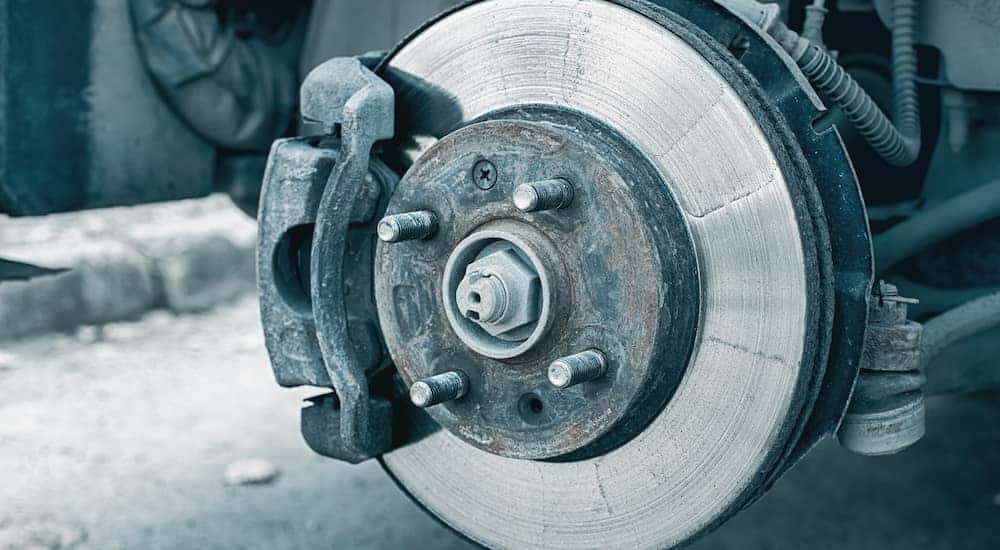
The squeal of brakes, a high-pitched screech that can make even the most seasoned driver wince, is often the bane of automotive existence. It's particularly frustrating when it occurs after a brake job – shouldn't new brakes be, well, quiet? The reality is more complex. Several factors contribute to brake squeal, and understanding them is crucial for both diagnosing and preventing this common issue. While the immediate reaction may be to blame the mechanic or the parts, the source of the noise can be perfectly normal, or it could signal a minor issue that's easily addressed.
The Physics of Brake Squeal: Friction and Vibration
At its core, brake squeal is a vibration phenomenon. When you apply the brakes, the brake pads are forced against the rotors (or drums in older vehicles). This contact generates immense friction, converting kinetic energy into heat, and slowing the vehicle. However, this friction isn't a smooth, uniform process. Instead, it's characterized by a series of rapid stick-slip events. Imagine pushing a heavy box across a rough floor; it sticks, then suddenly slides forward, and then sticks again. This is analogous to what happens between the brake pad and the rotor.
Each stick-slip event creates a small vibration. If these vibrations occur at a frequency within the audible range (roughly 20 Hz to 20 kHz), we perceive it as squeal. The specific frequency determines the pitch of the squeal. Think of a violin string; the shorter and tighter the string, the higher the frequency and the higher the pitch. Similarly, different components in the brake system can vibrate at different frequencies depending on their size, shape, and material properties.
Common Causes of Post-Replacement Brake Squeal
Several factors can amplify these vibrations and lead to audible brake squeal after new brakes have been installed. Let's examine some of the most prevalent:
1. Brake Pad Material and Composition
Brake pads are manufactured using a variety of materials, each with its own friction characteristics. Some materials are simply more prone to generating noise than others.
Organic or Non-Asbestos Organic (NAO) pads tend to be quieter, but they wear faster and produce more brake dust. Semi-metallic pads offer better stopping power and longevity but can be noisier, particularly in cold or damp conditions. Ceramic pads are often touted as the quietest option, offering good performance and producing minimal dust, but they are generally more expensive.
Even within a specific material type, variations in the exact composition (e.g., the type and amount of friction modifiers) can affect noise levels. Sometimes, a slightly different batch of pads from the same manufacturer can exhibit different noise characteristics. Additionally, some brake pads require a "bedding-in" period, where controlled braking helps transfer a thin layer of pad material onto the rotor surface. This transfer layer promotes smoother, quieter braking. If the bedding-in procedure isn't followed correctly, it can lead to uneven pad wear and increased noise.
2. Rotor Condition
The condition of the rotors plays a critical role in brake noise. Even seemingly smooth rotors can have microscopic imperfections or variations in thickness.
If the rotors weren't resurfaced or replaced when the pads were changed, the new pads may be conforming to an uneven rotor surface, leading to vibrations and squeal. Rotor resurfacing (or "turning") removes these imperfections and ensures a smooth, flat surface for the new pads to mate with. However, there's a limit to how much material can be safely removed from a rotor; exceeding this limit weakens the rotor and increases the risk of warping or cracking. In some cases, rotor replacement is the only viable option.
Furthermore, glazing of the rotors can also contribute to noise. Glazing occurs when the rotor surface becomes excessively smooth and shiny due to prolonged or hard braking, which can prevent proper friction between the pad and rotor. Additionally, rust buildup on the rotors, especially after the vehicle has been sitting for an extended period, can initially cause noise until it wears off.
3. Caliper Function and Hardware
The brake calipers are responsible for pressing the brake pads against the rotors. If the calipers are sticking or not moving freely, it can cause uneven pad wear and noise.
Sticking caliper pins are a common culprit. These pins allow the caliper to slide smoothly, ensuring even pressure on both sides of the rotor. If the pins are corroded or lack lubrication, the caliper can bind, causing one pad to drag against the rotor even when the brakes aren't applied. This constant friction generates heat and can lead to noise. Similarly, seized caliper pistons can prevent the pads from fully retracting, causing similar issues.
Also, the hardware that secures the brake pads within the caliper, such as shims and clips, plays a vital role in damping vibrations. Missing or damaged hardware can allow the pads to vibrate excessively, resulting in squeal. Brake hardware kits are designed to replace all of these components during a brake job, ensuring proper fit and function.
4. Lack of Lubrication
Proper lubrication is crucial for preventing brake noise. Applying a high-temperature brake lubricant to the backs of the brake pads (where they contact the caliper piston and abutment points) helps to dampen vibrations and prevent squeal. This lubricant is specifically formulated to withstand the extreme temperatures generated by braking.
It is also important to lubricate the caliper pins to ensure smooth sliding action. Using the correct type of lubricant is vital, as some lubricants can degrade rubber components or attract dirt and debris.
5. Improper Installation
Even with the best parts and proper lubrication, incorrect installation can lead to problems. For example, if the brake pads are not properly seated within the caliper or if the caliper is not properly aligned with the rotor, it can cause uneven wear and noise. Torqueing the caliper mounting bolts to the correct specification is also essential to ensure proper clamping force and prevent vibrations.
Troubleshooting and Solutions
Diagnosing the cause of brake squeal can be challenging, but a systematic approach can help.
- Visual Inspection: Carefully inspect the brake pads for uneven wear, cracks, or glazing. Check the rotors for rust, scoring, or excessive wear. Examine the calipers for signs of sticking or corrosion.
- Hardware Check: Ensure that all brake hardware is present, properly installed, and in good condition.
- Lubrication: Verify that all appropriate contact points are lubricated with a high-temperature brake lubricant.
- Caliper Function Test: Check the caliper pins for free movement. If the caliper is suspected of sticking, it may need to be rebuilt or replaced.
- Bedding-In Procedure: If the brake pads require bedding-in, follow the manufacturer's instructions carefully.
In many cases, brake squeal after a brake job is a temporary issue that resolves itself after a few hundred miles of driving as the pads and rotors break in. However, if the noise persists or is accompanied by other symptoms such as pulling to one side or vibrations, it's essential to have the brakes inspected by a qualified mechanic.
By understanding the underlying causes of brake squeal and following proper maintenance procedures, you can minimize the likelihood of this annoying problem and enjoy a quiet and safe driving experience. While some noise might be unavoidable, especially with certain brake pad compounds, addressing the factors outlined above can significantly reduce or eliminate unwanted squeals.