
Why Do My Rpms Go Up And Down When Idling
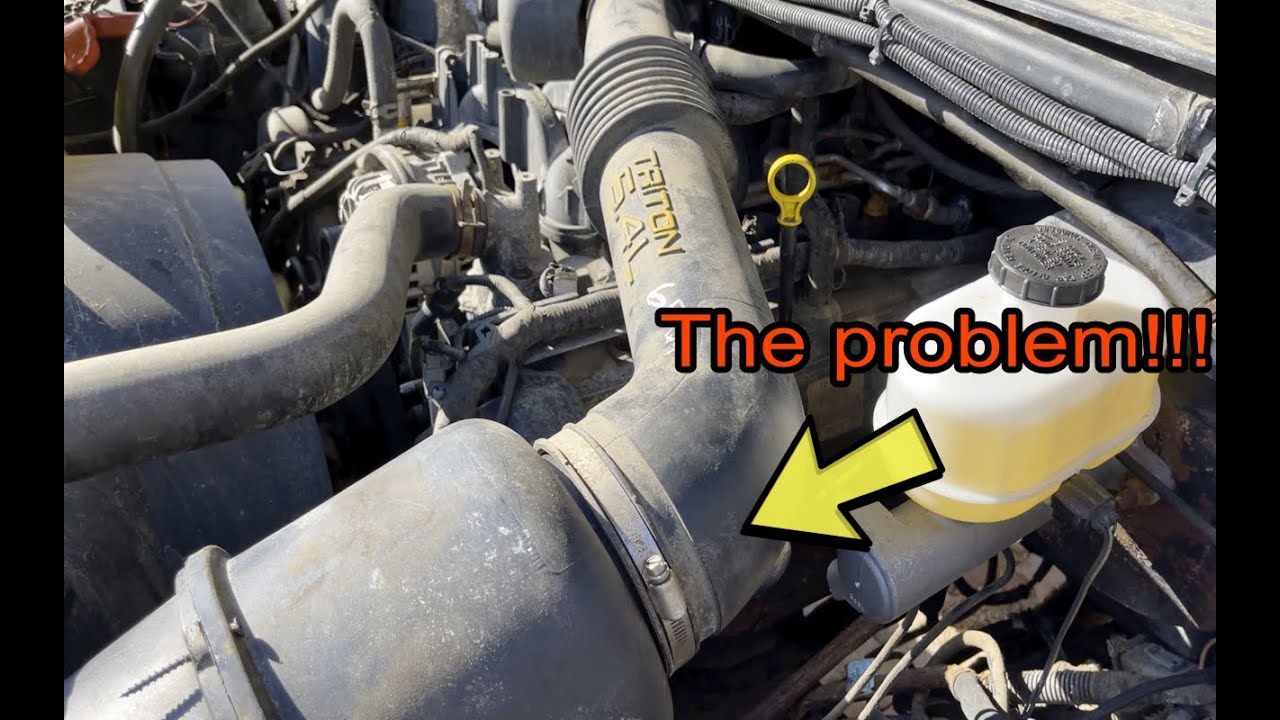
An erratic idle speed, where your RPMs (revolutions per minute) fluctuate up and down when the car is stationary and in neutral or park, can be a frustrating and sometimes alarming issue. It's a telltale sign that something isn't quite right within your engine's management system. Let's delve into the common reasons behind this behavior, breaking down the complex systems into understandable components.
Understanding the Idle Control System
Your car's engine control unit (ECU), often referred to as the engine computer, is responsible for maintaining a stable idle speed. This is more complicated than it sounds! The ECU needs to compensate for various factors, such as engine temperature, electrical load (headlights, AC, etc.), and even altitude. To do this, it relies on a network of sensors and actuators.
The primary actuator responsible for controlling idle speed is usually the Idle Air Control (IAC) valve or, in newer vehicles, an electronic throttle body with integrated idle control. The IAC valve, found on older models, allows a small amount of air to bypass the closed throttle plate, regulating the engine's idle RPM. Electronic throttle bodies perform the same function by slightly opening or closing the throttle plate itself. When this system malfunctions, it can lead to fluctuating RPMs.
Common Causes of Idle RPM Fluctuations
Several factors can contribute to unstable idle speeds. Here's a look at some of the most frequent culprits:
Vacuum Leaks
Vacuum leaks are a very common cause of erratic idling. Your engine relies on vacuum to operate many components, including the power brake booster, air conditioning system, and various sensors. A leak in any of these vacuum lines introduces unmetered air into the engine, disrupting the air-fuel mixture. The ECU tries to compensate, leading to the RPMs hunting up and down.
Example: A cracked vacuum hose on a 1998 Honda Civic's intake manifold could easily cause a noticeable idle surge. Similarly, a leaking intake manifold gasket on a Chevrolet Silverado with a 5.3L V8 could present similar symptoms.
Diagnosis Tip: A simple DIY test involves spraying a small amount of carburetor cleaner or starting fluid around vacuum lines and intake manifold gaskets while the engine is idling. If the RPMs momentarily increase, you've likely found a vacuum leak in that area.
Faulty Sensors
The ECU relies heavily on sensor data to make informed decisions about engine operation. A malfunctioning sensor can provide inaccurate information, causing the ECU to make incorrect adjustments to the idle speed.
- Mass Airflow Sensor (MAF): The MAF sensor measures the amount of air entering the engine. A dirty or failing MAF sensor can send incorrect data to the ECU, leading to an improper air-fuel mixture and unstable idle. For example, a contaminated MAF sensor in a BMW 3 Series (E46) could cause the engine to idle roughly and even stall.
- Throttle Position Sensor (TPS): The TPS monitors the position of the throttle plate. If the TPS is faulty, it might send incorrect signals to the ECU, leading to erratic idle behavior. A defective TPS in a Ford Focus could result in surging RPMs when idling.
- Oxygen Sensors (O2 Sensors): O2 sensors monitor the oxygen content in the exhaust gases. This information helps the ECU adjust the air-fuel mixture for optimal combustion. A failing O2 sensor can cause the ECU to make incorrect adjustments, leading to fluctuating idle.
- Coolant Temperature Sensor (CTS): The CTS provides the ECU with information about the engine's coolant temperature. This is especially important during cold starts. A faulty CTS can cause the engine to idle poorly, particularly when cold.
Dirty or Failing Idle Air Control (IAC) Valve
As mentioned earlier, the IAC valve is responsible for regulating idle speed. Over time, the IAC valve can become clogged with carbon deposits, restricting airflow and causing the engine to idle erratically. Cleaning the IAC valve with carburetor cleaner can often resolve this issue. However, if the valve is damaged or worn, it may need to be replaced.
Example: A Mitsubishi Lancer with a gummed-up IAC valve might exhibit a wildly fluctuating idle, especially during cold weather.
Faulty Electronic Throttle Body
Many modern vehicles use an electronic throttle body, which integrates the idle control function. These throttle bodies can also become dirty or develop internal faults. A dirty throttle body can restrict airflow, leading to an unstable idle. Cleaning the throttle body with throttle body cleaner is often a good first step. However, electronic throttle bodies can also fail internally, requiring replacement.
Example: A late-model Toyota Camry with a faulty electronic throttle body could experience a surging idle, particularly at stoplights.
Engine Misfires
An engine misfire occurs when one or more cylinders fail to fire properly. This can be caused by a variety of factors, including faulty spark plugs, ignition coils, fuel injectors, or even low compression. A misfire can cause the engine to idle roughly and the RPMs to fluctuate.
Example: A worn spark plug in a Jeep Wrangler with a 4.0L inline-six engine could cause a noticeable misfire, leading to a rough idle and fluctuating RPMs.
Fuel System Issues
Problems with the fuel system can also contribute to an unstable idle. A clogged fuel filter, a weak fuel pump, or faulty fuel injectors can all affect the air-fuel mixture and cause the engine to idle erratically.
Example: A partially clogged fuel injector in a Nissan Altima could cause a lean condition, leading to a fluctuating idle and potential misfires.
EGR Valve Problems
The Exhaust Gas Recirculation (EGR) valve is designed to reduce emissions by recirculating a portion of the exhaust gases back into the intake manifold. If the EGR valve is stuck open, it can introduce too much exhaust gas into the intake, causing the engine to idle roughly and the RPMs to fluctuate.
Example: A stuck-open EGR valve in a Ford Explorer could result in a rough idle, especially at low speeds.
Practical Takeaways
Diagnosing and resolving fluctuating idle RPMs can sometimes be challenging, but here are some practical steps you can take:
- Start with the basics: Check for any obvious vacuum leaks. Listen for hissing sounds and inspect all vacuum hoses for cracks or damage.
- Clean the throttle body and IAC valve: Use throttle body cleaner to remove any carbon deposits.
- Inspect and replace spark plugs: Worn or fouled spark plugs can cause misfires and rough idling.
- Check the air filter: A dirty air filter can restrict airflow and affect idle speed.
- Scan for diagnostic trouble codes (DTCs): Use an OBD-II scanner to check for any stored trouble codes. These codes can provide valuable clues about the source of the problem. Even if the check engine light isn't on, there might be pending codes that can point you in the right direction.
- Consider professional help: If you're unable to diagnose the problem yourself, take your car to a qualified mechanic. They have the tools and expertise to properly diagnose and repair the issue.
By understanding the underlying systems and taking a systematic approach to troubleshooting, you can effectively diagnose and resolve most fluctuating idle RPM issues, restoring your car to smooth and reliable operation. Remember to always consult your vehicle's repair manual for specific instructions and torque specifications.