
Why Does My Battery Light Come On And Off
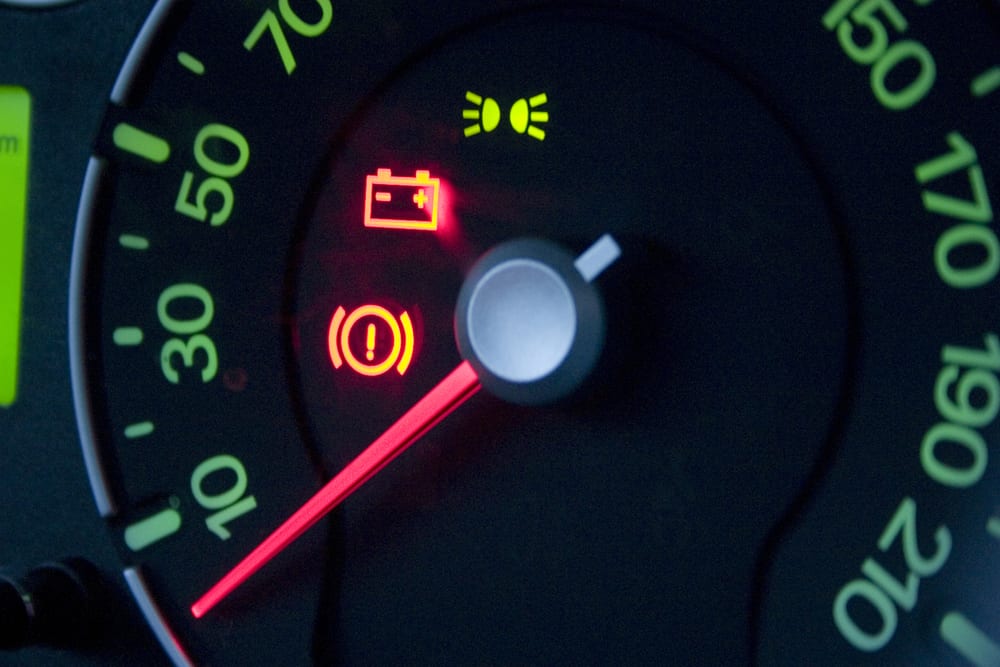
The intermittent illumination of the battery warning light, a seemingly simple indicator, can be a significant diagnostic challenge for automotive professionals. While its primary function is to alert the driver to a low charging voltage, the underlying causes can range from minor inconveniences to impending system failures. Understanding the intricacies of modern automotive charging systems is crucial for accurate diagnosis and effective repair.
The Charging System: A Core Overview
The battery warning light is typically triggered when the vehicle's voltage drops below a pre-determined threshold, usually around 13.5 volts. This drop indicates the alternator is not providing sufficient power to maintain the battery's charge and supply the vehicle's electrical loads. The charging system consists of several key components:
- Battery: Provides initial power to start the engine and serves as a voltage stabilizer. Modern vehicles often utilize AGM (Absorbent Glass Mat) batteries, offering improved performance and lifespan compared to traditional flooded lead-acid batteries, but requiring specific charging profiles.
- Alternator: The primary power source when the engine is running. It converts mechanical energy from the engine into electrical energy, replenishing the battery and powering the vehicle's electrical systems. Internal components include the rotor, stator, rectifier, and voltage regulator.
- Voltage Regulator: Controls the alternator's output voltage, preventing overcharging and damage to the battery and other electrical components. Modern regulators are often integrated within the Engine Control Unit (ECU), allowing for more sophisticated control and diagnostic capabilities.
- Wiring and Connections: Provide the electrical pathway between components. Corrosion, loose connections, or damaged wiring can significantly impact system performance.
Possible Causes of Intermittent Battery Light Illumination
An intermittent battery light, as opposed to a constant one, often points towards a connection issue or a component nearing the end of its lifespan. Here's a breakdown of common culprits:
Loose or Corroded Connections
This is the most frequent cause. A loose battery terminal, corroded ground strap, or a poorly connected alternator wire can cause intermittent voltage drops. These connections should be thoroughly inspected, cleaned with a wire brush, and re-tightened. Use dielectric grease to prevent future corrosion. Pro: Relatively easy and inexpensive to fix. Con: Can be time-consuming to locate the exact source.
Failing Alternator
As alternators age, their internal components can wear down, leading to fluctuating output. Worn brushes within the alternator can cause intermittent contact with the slip rings, resulting in inconsistent charging. Similarly, a failing rectifier diode can allow AC voltage to leak into the DC system, disrupting the voltage regulator's function. Testing the alternator's output under varying loads is crucial. Pro: Replacing a failing alternator restores proper charging function. Con: Alternator replacement can be expensive, depending on the vehicle and alternator type.
Voltage Regulator Issues
A malfunctioning voltage regulator, either internal to the alternator or controlled by the ECU, can cause the alternator to intermittently overcharge or undercharge. ECU-controlled regulators offer more sophisticated control strategies, such as load shedding during high electrical demand, but are also more complex to diagnose. Pro: Resolving the regulator issue restores proper charging voltage and protects the battery. Con: Diagnosing ECU-related issues often requires specialized scan tools and expertise.
Battery Problems
While the battery light usually indicates a charging system problem, a failing battery can contribute to the issue. An internal short within the battery can cause it to draw excessive current, overloading the charging system and triggering the warning light, especially under heavy load (e.g., headlights, AC, and accessories). Load testing the battery is essential. Pro: Replacing a failing battery restores proper starting and electrical performance. Con: A new battery will not fix underlying charging system issues.
Serpentine Belt Slippage
The serpentine belt drives the alternator. If it's worn, cracked, or improperly tensioned, it can slip, reducing the alternator's rotational speed and decreasing its output. Inspect the belt for wear and tear and ensure proper tension using a belt tension gauge. Pro: A relatively inexpensive fix that can prevent further damage. Con: Slippage may be a symptom of a more serious issue, such as a failing alternator bearing causing excessive drag.
Reliability, Maintenance, and Future Trends
Modern charging systems are generally reliable, but preventative maintenance is key. Regularly inspecting battery terminals for corrosion, checking the serpentine belt's condition and tension, and performing voltage drop tests can help identify potential problems before they lead to failure. In the future, integrated starter-generators (ISGs) and 48V mild-hybrid systems will become increasingly common, offering improved fuel efficiency and performance. These systems require specialized diagnostic tools and procedures, and automotive professionals will need to stay abreast of these technological advancements. Moreover, the rise of electric vehicles (EVs) will significantly shift the focus away from traditional charging systems towards battery management systems (BMS) and high-voltage DC-DC converters.
Forward-Looking Note
The automotive industry is undergoing a radical transformation, driven by electrification, autonomous driving, and connectivity. As vehicles become increasingly complex and reliant on electronic systems, the demand for skilled automotive technicians capable of diagnosing and repairing these advanced technologies will continue to grow. Investing in training and acquiring expertise in areas such as electric vehicle technology, advanced driver-assistance systems (ADAS), and cybersecurity is crucial for automotive professionals to remain competitive in this evolving landscape.