
Why Does My Belt Squeal When I Accelerate
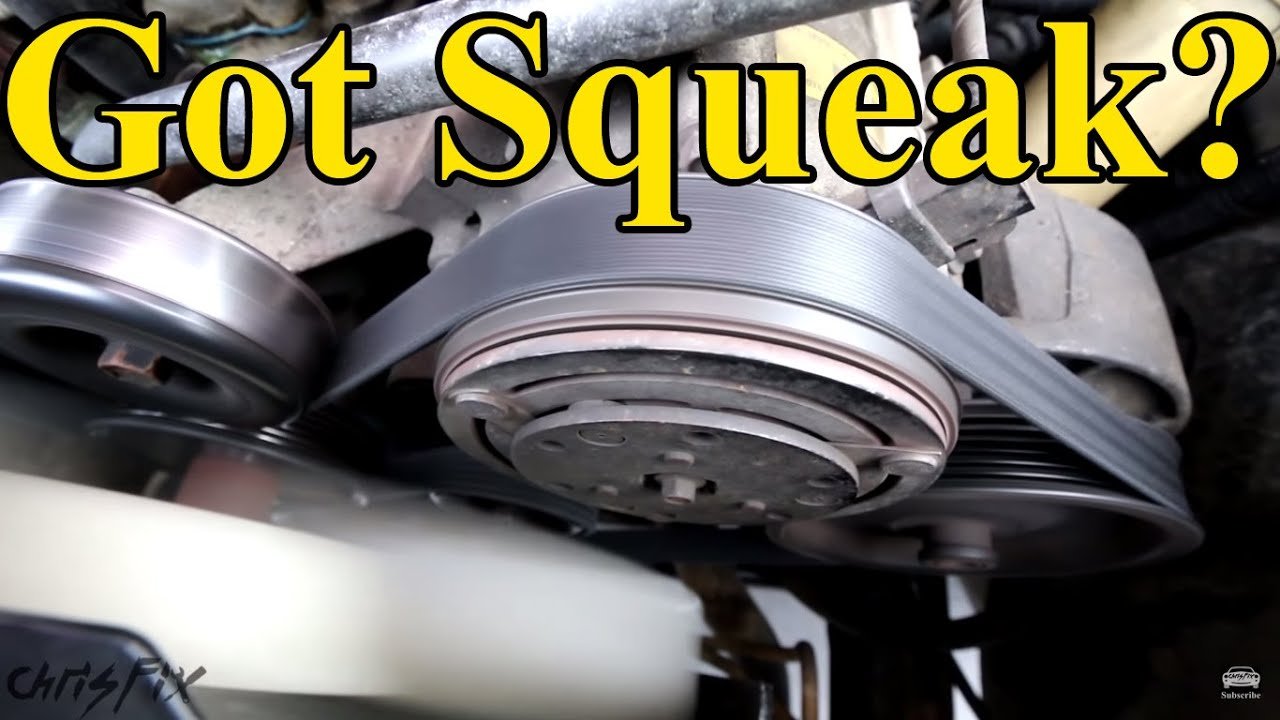
That high-pitched squeal as you hit the accelerator. The bane of many a driver's existence, often signaling a worn or loose belt. But in the rapidly evolving world of automotive technology, the question "Why does my belt squeal when I accelerate?" is becoming increasingly nuanced, even prompting us to question if belts, as we know them, will even exist in the vehicles of tomorrow.
The Squeal of Yesterday: A Reminder of Mechanical Legacy
Traditionally, that annoying squeal points to the serpentine belt, the workhorse responsible for powering various engine accessories like the alternator, power steering pump, air conditioning compressor, and sometimes even the water pump. Wear and tear, misalignment, or contamination can all contribute to slippage, hence the telltale squeal under the increased load of acceleration. Even in modern gasoline and diesel vehicles, this remains a common issue. Ignoring it can lead to more serious problems, including accessory failure and even engine overheating. Regular inspection and timely replacement are crucial.
Hybrid Systems: A New Harmony, But Familiar Challenges
Hybrid vehicles, while introducing electric motors and regenerative braking, often retain the need for accessory belts, albeit sometimes in a modified configuration. These belts may power fewer components due to the electric drive system handling some of the load. However, the principles remain the same: proper tension, alignment, and condition are essential to prevent slippage and that dreaded squeal. Furthermore, hybrid systems introduce new considerations. The increased complexity of the engine bay, with higher voltages and more intricate component placement, can make belt inspection and replacement more challenging, requiring specialized tools and expertise.
Electric Vehicles: A (Mostly) Belt-Free Future?
The rise of electric vehicles (EVs) heralds a potential paradigm shift. EVs, in their purest form, significantly reduce, and in some cases eliminate, the need for traditional accessory belts. Electric motors directly drive components like the air conditioning compressor and power steering pump. This not only reduces the likelihood of belt squeal but also contributes to increased efficiency and reduced maintenance. However, even in EVs, the story isn't entirely belt-free. Some early EV designs or those with specific functionalities might still employ small belts for certain auxiliary systems. The overall trend, however, is undeniably towards belt-less designs, replaced by directly driven, electronically controlled components.
Smart Automotive Solutions: Predicting and Preventing Problems
Beyond the elimination of belts altogether, smart automotive solutions are playing a crucial role in mitigating belt-related issues in vehicles that still utilize them. Advanced sensor technology and data analytics are enabling predictive maintenance. Sensors can monitor belt tension, slippage, and even wear patterns, providing early warnings to drivers and service technicians. This allows for proactive intervention, preventing breakdowns and optimizing performance. Furthermore, smart systems can adapt the load on accessory drives based on driving conditions and vehicle needs, minimizing stress on the belts and extending their lifespan. Imagine a future where your car alerts you to a potential belt issue before it starts squealing, based on subtle changes in its operating characteristics analyzed by sophisticated algorithms.
Challenges on the Road Ahead
While the future of mobility looks bright, with EVs and smart automotive solutions paving the way for a smoother, more efficient driving experience, challenges remain. The transition to EVs requires significant investment in infrastructure, battery technology, and charging networks. The cost of EVs is still a barrier for many consumers. Furthermore, the complexity of advanced automotive systems necessitates highly skilled technicians who can diagnose and repair these vehicles. We need to prioritize education and training to ensure a workforce capable of supporting the future of mobility. Moreover, responsible sourcing of materials for batteries and electric motors is paramount to ensure sustainability and ethical manufacturing practices.
The shift away from traditional belts is not just about eliminating a common annoyance; it's about embracing a future where vehicles are more reliable, efficient, and sustainable. This transition requires innovation, collaboration, and a commitment to addressing the challenges that lie ahead. From advanced sensor technology to the widespread adoption of electric vehicles, the automotive industry is on the cusp of a revolution. The squeal of a belt might soon become a distant memory, replaced by the quiet hum of electric motors and the seamless integration of smart technology.
A Vision of Tomorrow: Mobility Reimagined
Imagine a world where personal transportation is effortlessly integrated into our lives. Vehicles communicate with each other and with the surrounding infrastructure, optimizing traffic flow and minimizing congestion. Autonomous driving systems ensure safety and efficiency, freeing up our time and attention. Sustainable energy sources power our vehicles, reducing our carbon footprint and protecting our planet. The question "Why does my belt squeal when I accelerate?" will be as antiquated as asking "Why do I need to crank the engine to start my car?" In this visionary future, mobility is not just about getting from point A to point B; it's about creating a more connected, sustainable, and enriching human experience. The future of mobility is not just about technology; it's about reimagining how we live and interact with the world around us.