
Why Does My Car Make A Noise When I Brake
Brakes are arguably the most important safety feature in your car, so any unusual noises coming from them should be investigated promptly. Squealing, grinding, scraping, or clicking sounds when you brake can be unsettling and often indicate a problem that needs attention. Let's break down the common culprits behind these noises and what you can do about them.
Common Brake Noises and Their Causes
Squealing Brakes
Squealing is perhaps the most common brake noise. It's often a high-pitched, irritating sound that can occur while braking or even when the brakes aren't applied. Several factors can cause this:
- Worn Brake Pads: This is the most frequent reason. Brake pads have wear indicators, often small metal tabs, that are designed to rub against the rotor when the pad material gets too thin. This creates a squealing noise to alert you that it's time for a brake job. Think of it as your car's way of saying, "Hey, I need new shoes!"
- Glazed Brake Pads or Rotors: Repeated hard braking can overheat the pads and rotors, causing them to develop a smooth, shiny surface known as glazing. This reduces friction and can lead to squealing.
- Vibrations: Sometimes, the squealing is simply due to vibrations between the brake pad and the caliper or rotor. This is more common with inexpensive brake pads.
- Moisture: A little bit of moisture, especially after rain or washing your car, can cause a temporary squeal that usually disappears after a few brake applications.
Solution: If your brake pads are worn down, you'll need to replace them. A mechanic can inspect your brakes to determine if the pads are the issue. Replacing brake pads typically involves removing the wheel, detaching the caliper, replacing the pads, and reassembling everything. If the pads or rotors are glazed, a mechanic can often resurface the rotors (if they're thick enough) or recommend replacement. High-quality brake pads often have anti-squeal shims or compounds to minimize vibrations.
Tools Needed: Jack, lug wrench, socket set, brake pad spreader, C-clamp, brake cleaner, torque wrench.
Approximate Repair Cost: Replacing brake pads usually costs between $150 and $300 per axle (front or rear), including parts and labor. Rotor resurfacing can add $50-$100 per rotor.
Grinding Brakes
Grinding is a much more serious sound than squealing. It's a deep, harsh noise that usually indicates that your brake pads are completely worn down and the metal backing plate is rubbing directly against the rotor.
Solution: Stop driving immediately! Driving with grinding brakes can severely damage your rotors, potentially requiring their replacement as well. You'll need to have your car towed to a mechanic for inspection and repair. The repair will involve replacing both the brake pads and likely the rotors. Ignoring this sound can lead to much more costly repairs, including damage to the calipers.
Tools Needed: Not recommended for DIY repair due to the potential for serious damage if not done correctly. Requires specialized tools and knowledge.
Approximate Repair Cost: Replacing brake pads and rotors can range from $300 to $600 per axle, depending on the make and model of your car and the quality of the parts used.
Scraping Brakes
A scraping noise can be similar to grinding, but it might be less constant. It often indicates that something is caught between the brake pad and the rotor, such as a small stone or debris. It can also indicate a severely damaged rotor.
Solution: Sometimes, a small object will dislodge itself on its own. However, if the scraping persists, it's best to have your brakes inspected. A mechanic can remove the wheel and check for any foreign objects or damage to the rotor. If the rotor is damaged, it will need to be resurfaced or replaced.
Tools Needed: Jack, lug wrench, socket set. Inspecting the brakes yourself requires some mechanical knowledge and caution.
Approximate Repair Cost: If it's just debris removal, the cost is minimal. Rotor resurfacing or replacement costs will vary depending on the severity of the damage.
Clicking Brakes
A clicking sound when braking or accelerating can be caused by several things:
- Loose Brake Pads: If the brake pads aren't properly secured in the caliper, they can shift and click when you apply or release the brakes.
- Worn Caliper Hardware: The bolts and pins that hold the caliper in place can become loose or worn over time, leading to clicking noises.
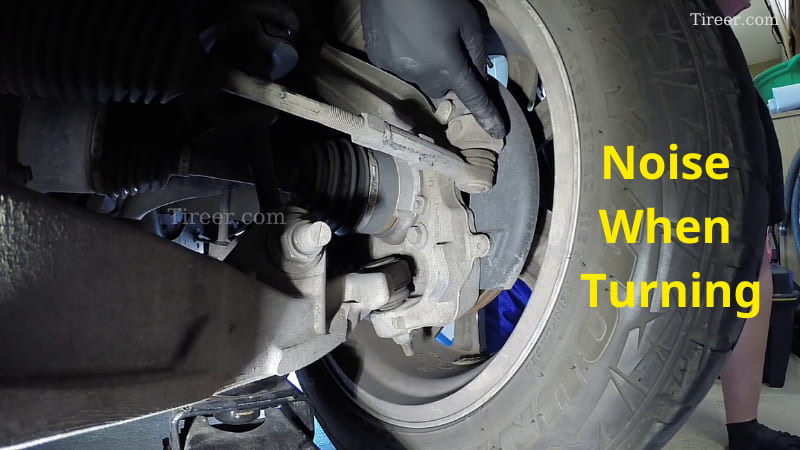
- CV Joints: While not directly related to the brakes, a worn CV joint can sometimes produce a clicking sound that seems to originate from the brake area, especially when turning.
Solution: Have your brakes inspected by a mechanic. They can tighten any loose components, replace worn caliper hardware, or diagnose a CV joint issue. Ignoring a clicking sound can lead to more serious problems down the road.
Tools Needed: Diagnostic skills are key. Repair requires a socket set, wrenches, and potentially specialized tools for caliper repair.
Approximate Repair Cost: Varies depending on the cause. Tightening loose bolts might be a quick and inexpensive fix. Replacing caliper hardware or a CV joint will be more costly.
Preventative Measures
Regular brake inspections are crucial for maintaining your car's safety and preventing costly repairs. Here are some tips:
- Listen to your brakes: Pay attention to any unusual noises and investigate them promptly.
- Check your brake fluid level: Low brake fluid can indicate a leak or worn brake pads.
- Schedule regular maintenance: Have your brakes inspected at least once a year, or more frequently if you drive in harsh conditions.
- Use quality brake parts: Opt for reputable brands of brake pads and rotors to ensure optimal performance and longevity.
- Avoid aggressive braking: While unavoidable in emergencies, excessive hard braking can accelerate wear and tear on your brake system.
When to See a Mechanic
If you're not comfortable inspecting or repairing your brakes yourself, or if you notice any of the following, it's best to consult a qualified mechanic:
- Any unusual brake noises that persist.
- A spongy or soft brake pedal.
- A brake pedal that goes to the floor.
- Your car pulls to one side when braking.
- The brake warning light is illuminated on your dashboard.
Remember, your brakes are a critical safety component. Don't hesitate to seek professional help if you have any concerns. Addressing brake problems early can save you money and, more importantly, keep you and others safe on the road.