
Why Does My Car Make A Sound When I Brake
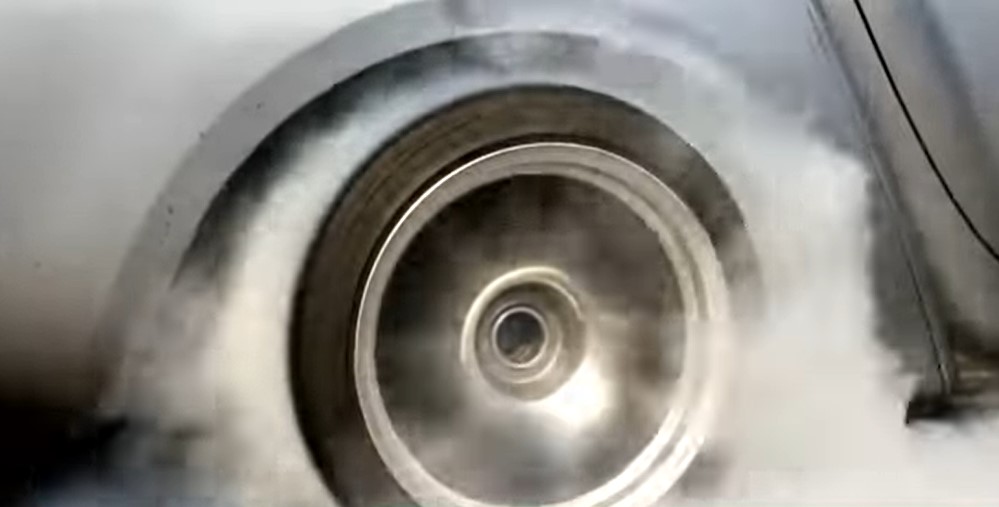
Hearing a strange noise when you hit the brakes can be alarming. It's a sign that something might be wrong with your braking system, and ignoring it could lead to more serious problems, including decreased stopping power and potential accidents. Understanding the different types of noises and their potential causes can help you diagnose the issue and seek the appropriate repairs. This article explores common reasons why your car makes a sound when you brake, helping you stay safe on the road.
Common Brake Noises and Their Causes
Brake noises can range from squealing and grinding to clicking and thumping. Each sound often points to a specific issue within the braking system. Here's a breakdown of the most common noises:
Squealing Brakes
Squealing is one of the most frequently encountered brake noises. While sometimes it's merely an annoyance, it shouldn't be ignored.
Why it Happens: Often, squealing is caused by worn brake pads. Most brake pads have a built-in wear indicator, a small metal tab that rubs against the rotor when the pads are nearing the end of their life. This metal-on-metal contact creates a high-pitched squeal, alerting you to the need for replacement. Other causes can include glazed brake pads or rotors, or even just vibrations between the pad and the caliper.
What to Do: If you hear a consistent squeal, schedule an inspection with a qualified mechanic. They can assess the condition of your brake pads and rotors and recommend the necessary repairs. Ignoring a squeal can lead to more significant damage to the rotors.
Grinding Brakes
A grinding noise from your brakes is a serious warning sign and should be addressed immediately.
Why it Happens: Grinding usually indicates that the brake pads are completely worn down, and the metal backing plate of the pad is rubbing directly against the rotor. This metal-on-metal contact causes significant damage to the rotors and can compromise your stopping ability. Another, less common cause could be a small stone or piece of debris caught between the brake pad and rotor.
What to Do: Stop driving the car immediately! Continuing to drive with grinding brakes can severely damage the rotors, requiring costly replacements. Have the car towed to a mechanic for immediate inspection and repair.
Clicking Brakes
A clicking sound when braking can be subtle but often indicates a problem with the brake hardware.
Why it Happens: Clicking noises are frequently caused by loose or worn brake hardware, such as the caliper mounting bolts, brake pad shims, or anti-rattle clips. These components help to secure the brake pads and calipers in place. When they become loose or worn, they can create a clicking sound as the brakes are applied.
What to Do: Have a mechanic inspect the brake hardware and ensure all components are properly secured and in good condition. Replacing worn or missing hardware is typically a relatively inexpensive repair.
Thumping Brakes
A thumping or pulsating sensation when braking, often accompanied by noise, can suggest problems with the rotors or other components.
Why it Happens: Warped rotors are a common cause of thumping brakes. When rotors become warped, they develop uneven surfaces that cause the brake pads to grip and release intermittently, resulting in a thumping or pulsating feeling in the brake pedal. Other potential causes include problems with the anti-lock braking system (ABS) or uneven tire wear.
What to Do: Inspect the rotors for signs of warping or damage. A mechanic can measure the rotor thickness and runout to determine if they need to be resurfaced or replaced. If the thumping is related to the ABS, further diagnostics may be required.
Scraping Brakes
A scraping sound, similar to grinding but often less severe, can point to various issues.
Why it Happens: Scraping can be caused by minor debris lodged between the brake pad and rotor. It could also signal early stages of brake pad wear or a slightly warped rotor. Sometimes, rust buildup on the rotor surface (especially after the car has been sitting for a while) can cause a temporary scraping noise that disappears after a few braking applications.
What to Do: If the scraping persists, have the brakes inspected. While it might be a minor issue, it's always best to rule out any potential problems that could worsen over time.
Other Factors Contributing to Brake Noise
Beyond the most common causes, several other factors can contribute to car brake sounds:
- Road Conditions: Driving in dusty or muddy conditions can introduce debris into the braking system, leading to temporary noises.
- Brake Pad Quality: Lower-quality brake pads may be more prone to squealing or other noises.
- Humidity and Temperature: Changes in humidity and temperature can affect brake pad and rotor materials, potentially causing noise.
- Brake Caliper Issues: A sticking brake caliper can cause uneven wear on the brake pads and lead to noises.
Preventing Brake Noise and Maintaining Your Brakes
Regular brake maintenance is crucial for preventing noise and ensuring optimal braking performance. Here are some tips:
- Regular Inspections: Have your brakes inspected regularly by a qualified mechanic, especially during routine maintenance services.
- Replace Brake Pads Promptly: Don't wait until the brakes are grinding to replace the pads. Replace them when the wear indicator starts to squeal.
- Resurface or Replace Rotors: If the rotors are warped or damaged, have them resurfaced or replaced to ensure smooth braking.
- Use Quality Brake Pads: Choose high-quality brake pads that are designed for your vehicle.
- Keep Brakes Clean: Avoid driving in excessively dusty or muddy conditions whenever possible.
- Flush Brake Fluid: Regularly flush and replace the brake fluid to maintain its effectiveness and prevent corrosion within the braking system.
When to See a Mechanic
It's always best to err on the side of caution when it comes to your brakes. If you notice any unusual noises, vibrations, or changes in braking performance, schedule an inspection with a qualified mechanic as soon as possible. Ignoring brake problems can lead to more costly repairs and, more importantly, compromise your safety and the safety of others on the road. Proper brake maintenance is key to ensuring a safe and reliable driving experience. Don't hesitate to seek professional help if you're concerned about the condition of your brakes.