
Why Does My Tire Sound Like It's Scraping
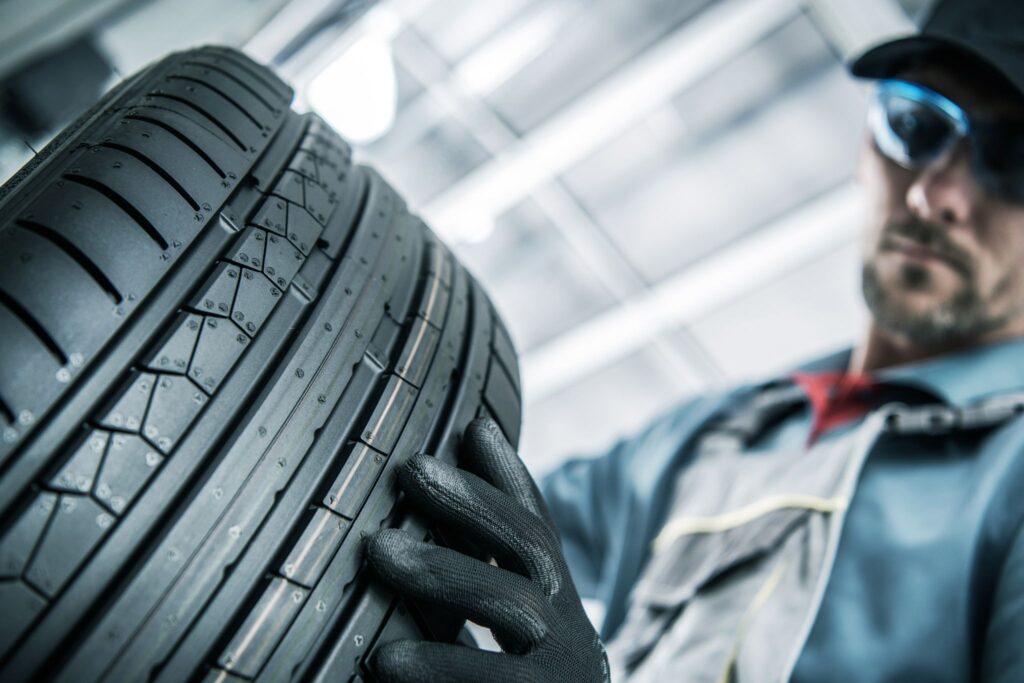
That heart-stopping sound. *Scrape…scrape…scrape…*. Nothing ruins a Sunday drive faster than the unsettling suspicion that your tires are about to stage a dramatic exit. But before you envision yourself stranded on the side of the road, let's diagnose that aural assault. The good news? It might not be as catastrophic as it sounds. The bad news? Ignoring it could lead to a very bad day.
Is it *Really* Scraping, or Something Else?
First, let's differentiate between a true "scraping" sound and other tire-related noises. A scraping sound is often a consistent, rhythmic noise that increases with speed. It suggests something is physically making contact with the tire or wheel. Other noises, like a whirring, humming, or thumping, could indicate wheel bearing issues, uneven tire wear (causing cupping or feathering), or even a foreign object embedded in the tire.
To nail down the culprit, consider these factors:
- When does the noise occur? Only when turning? At all speeds? When braking?
- Where does it seem to be coming from? Front or rear? Driver or passenger side?
- Has anything changed recently? New tires? Suspension work? Did you hit a curb particularly hard?
Common Culprits: The Usual Suspects
Here's a breakdown of common causes, with model-specific nuances:
1. Brake Dust Shields
The Problem: These thin metal shields protect your brake rotors from debris. They're easily bent, especially on cars driven in areas with road salt or gravel. Once bent, they can rub against the rotor or the inner sidewall of the tire. This is a very common cause of scraping noises.
Model Variation: The material and design of these shields vary widely. For example, BMWs, particularly older 3 Series (E36, E46), are notorious for having flimsy shields that rust and disintegrate, making them prone to bending. Meanwhile, some higher-end Audis use more robust aluminum shields, which are less prone to bending but can still suffer damage from impacts.
DIY Difficulty: Low to Moderate. Requires removing the wheel and potentially bending the shield back into shape. Be careful; these can be sharp!
2. Suspension Components
The Problem: Worn ball joints, control arm bushings, or even a sagging suspension can cause components to rub against the tire, especially during turns or when hitting bumps.
Model Variation: Cars with more complex suspension setups, like those found in sports cars like the Porsche 911 or the Corvette, have more potential points of failure. Worn sway bar end links are another common source of noise, particularly on cars with aftermarket suspension modifications. The type of suspension (e.g., independent vs. solid axle) also impacts the likelihood of certain issues. Solid axle suspensions, common in trucks and some older muscle cars, are less prone to bushing wear but can suffer from leaf spring issues that cause scraping.
DIY Difficulty: Moderate to High. Requires specialized tools and a good understanding of suspension mechanics.
3. Wheel Well Liners
The Problem: These plastic or felt liners protect the underside of your car from debris and help reduce road noise. They can become detached, especially after hitting a large puddle or snow bank, and rub against the tire.
Model Variation: Wheel well liner material and attachment methods vary considerably. SUVs and trucks often have more robust liners than smaller cars. Moreover, some manufacturers, like Tesla, use more extensive felt liners for noise reduction, which are more susceptible to damage from moisture and debris build-up.
DIY Difficulty: Low. Usually involves reattaching the liner with clips or screws. Sometimes you can even just tuck it back in!
4. Tire Size and Modifications
The Problem: Installing tires that are too large or wheels with an incorrect offset can cause them to rub against the fender, suspension components, or wheel well liners, especially when turning or going over bumps.
Engine/Tech Variation: Cars with adaptive suspension (e.g., Magnetic Ride Control in some GM vehicles) *may* offer slightly more clearance, but this is not a guarantee. Cars with lowered suspensions are far more susceptible to this issue. Moreover, vehicles with all-wheel drive (AWD) often have tighter tolerances and less room for oversized tires.
DIY Difficulty: Variable. Correcting the issue might involve rolling the fenders, installing smaller tires, or changing the wheel offset. These solutions can range from simple to complex and expensive.
Spec Table: A Quick Glance
| Issue | Common Models | Noise Characteristics | DIY Difficulty |
|---|---|---|---|
| Brake Dust Shield | BMWs, older cars in snowy climates | Rhythmic, metallic scraping | Low to Moderate |
| Suspension Components | Sports cars, high-mileage vehicles | Scraping during turns or bumps | Moderate to High |
| Wheel Well Liners | SUVs, cars that frequently drive through deep puddles or snow | Rubbing, plastic-on-plastic sound | Low |
| Tire Size/Modifications | Modified vehicles, cars with oversized tires | Scraping during turns or bumps, especially under load | Variable |
Real-World Driving Impressions
I recently experienced a brake dust shield scraping on my own E46 BMW 325i. The sound was intermittent at first, only appearing at low speeds. As the shield bent further, the scraping became constant and unbearable. A quick inspection revealed the culprit, and a few minutes with a pair of pliers resolved the issue. However, a friend with a lowered Subaru WRX faced a more challenging situation. His aftermarket wheels, while stylish, had an incorrect offset, causing the tires to rub against the fenders when cornering aggressively. The solution? Fender rolling – a more involved process that requires specialized tools and a steady hand.
Pros and Cons: Addressing the Scraping
- Ignoring it (Cons): Tire damage, potential for accidents, escalating repair costs, and the embarrassment of driving a noisy car.
- DIY Repair (Pros): Cost savings, satisfaction of fixing the problem yourself, increased knowledge of your car. (Cons): Potential for mistakes, risk of injury, time investment.
- Professional Repair (Pros): Expertise, proper tools, warranty on repairs. (Cons): Higher cost, potential for unnecessary repairs if the mechanic isn't thorough.
No matter the cause, promptly addressing that scraping sound is crucial. Don't delay, or you might find yourself stranded with a flat tire and a hefty repair bill. A little investigation and preventative maintenance can save you a lot of heartache (and money) in the long run.
Final thought: Speaking of tire noises... What's the most obnoxious tire squeal you've ever heard? Let the debate begin! Is it better or worse when it comes from a modded civic versus a muscle car at a light? Let us know in the comments.