
Why Is My Car Air Conditioner Not Cooling
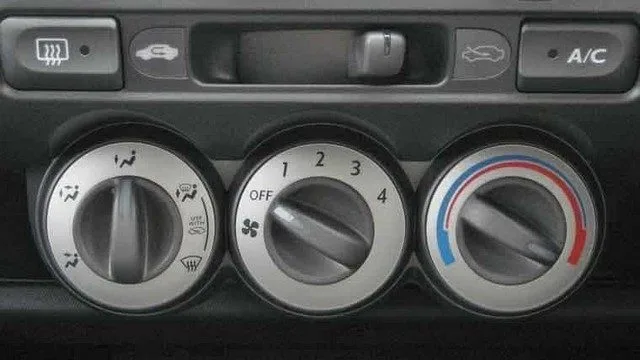
Few things are as frustrating as a car air conditioner that blows warm air on a sweltering summer day. You crank the dial, expect a refreshing blast of cold, and instead, you're left sweating. But why is this happening? Diagnosing a malfunctioning AC system can seem daunting, but by understanding the common causes, you can better troubleshoot the issue or explain it clearly to your mechanic. Here's a breakdown of potential culprits:
Refrigerant Issues: The Lifeblood of Cool
The most frequent cause of a weak or non-existent AC is low refrigerant. Refrigerant, often referred to by its chemical name (like R-134a or the newer, more environmentally friendly R-1234yf), is the working fluid that absorbs heat from inside the car and releases it outside. Think of it as the lifeblood of your AC system. Over time, even in a closed system, refrigerant can slowly leak.
Leak Detection: Finding a refrigerant leak can be tricky. Look for oily residue near connections, especially around the compressor, condenser, and evaporator. A specialized UV dye and blacklight can also be used to pinpoint leaks more easily. Automotive shops often use electronic leak detectors, which are highly sensitive to refrigerant.
Refrigerant Types: It's crucial to use the correct type of refrigerant specified for your vehicle. Mixing refrigerants can cause serious damage to the AC system. Check your owner's manual or consult a mechanic to confirm the proper type.
Compressor Problems: The Heart of the System
The compressor is the pump that circulates the refrigerant throughout the AC system. If the compressor fails, the refrigerant won't flow, and the AC won't cool. Compressor failure can manifest in several ways:
- Noisy Compressor: Grinding, squealing, or rattling sounds coming from the compressor indicate internal damage.
- Clutch Problems: The compressor clutch engages and disengages the compressor pulley, allowing it to operate only when needed. A faulty clutch can prevent the compressor from engaging.
- Complete Failure: In severe cases, the compressor can seize completely, preventing any refrigerant flow.
Replacing a compressor is a significant repair, often requiring specialized tools and knowledge. Expect to pay a substantial amount for parts and labor, especially if you opt for a new, rather than a remanufactured, unit. The compressor is arguably the most expensive component of the whole AC system.
Condenser Issues: Heat Exchanger Woes
The condenser is a radiator-like component located in front of the engine's radiator. Its job is to release heat from the refrigerant as it flows through. If the condenser is blocked by debris (leaves, bugs, dirt) or damaged, it won't be able to effectively dissipate heat, reducing the AC's cooling capacity.
Inspection and Cleaning: Regularly inspect the condenser for debris and clean it carefully with a soft brush and a low-pressure water stream. Bent fins can also impede airflow; a fin comb can be used to straighten them. A damaged condenser could need replacement.
Evaporator Problems: The Source of the Cool
The evaporator is located inside the vehicle's dashboard. It's where the refrigerant absorbs heat from the cabin air, cooling it down. A clogged or leaking evaporator can significantly reduce AC performance.
Evaporator Leaks: A leaking evaporator can be difficult to diagnose, as it's often hidden behind the dashboard. Symptoms include a musty odor coming from the vents, poor cooling, and potentially, oily residue on the interior of the windshield.
Evaporator Clogging: Dust, pollen, and other debris can accumulate on the evaporator's fins, restricting airflow and reducing its efficiency. Accessing and cleaning the evaporator often requires significant disassembly of the dashboard, making it a labor-intensive job.
Other Potential Causes
While refrigerant, compressor, condenser, and evaporator issues are the most common causes of poor AC performance, other factors can also contribute:
- Blocked Expansion Valve: The expansion valve controls the flow of refrigerant into the evaporator. A clogged valve can restrict refrigerant flow, reducing cooling.
- Electrical Problems: Faulty wiring, relays, or sensors can prevent the AC system from operating correctly.
- Blend Door Actuator Problems: The blend door controls the mix of hot and cold air inside the cabin. A malfunctioning actuator can cause the blend door to become stuck in the hot position.
- Clogged Cabin Air Filter: A dirty cabin air filter restricts airflow into the cabin, reducing the AC's overall effectiveness.
Preventive Maintenance: Regular AC service, including refrigerant checks and filter replacement, can help prevent many of these problems. Addressing issues early can save you from costly repairs down the road. Also, running your AC periodically, even during winter, helps to keep the system lubricated and prevents seals from drying out.